Navigating the procurement of custom molds for plastic from China remains a strategic decision for global businesses seeking competitive manufacturing. The landscape, however, is nuanced. While the advantages in cost, scalability, and technical capability are significant, the challenges of supplier verification, communication, and quality assurance are real and persistent. This guide is crafted for the professional overseas buyer in 2026. It moves beyond generic advice to deliver actionable, current strategies for securing high-quality injection molds and building a resilient, transparent supply chain with a reliable China mold factory.
**Conducting Rigorous Supplier Verification Beyond Alibaba**
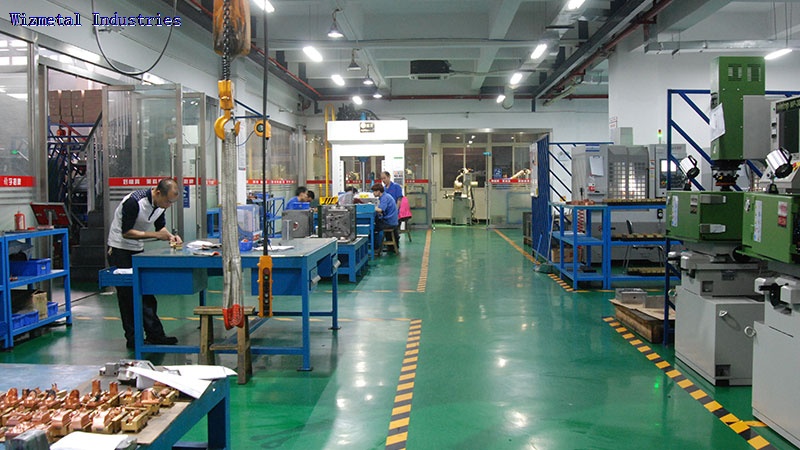
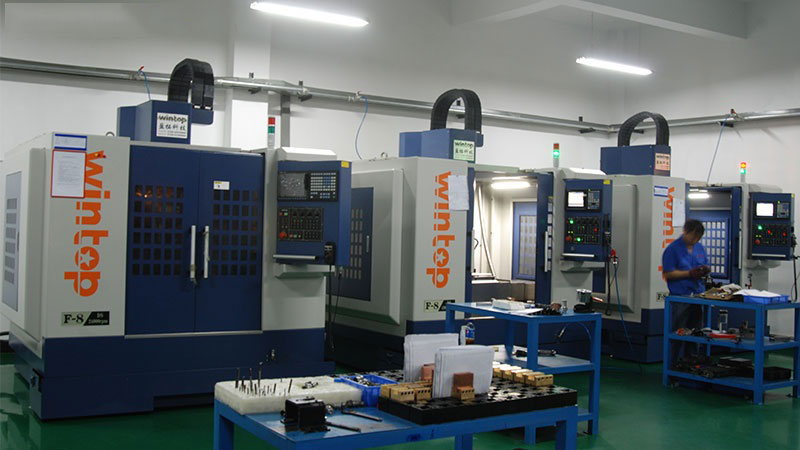
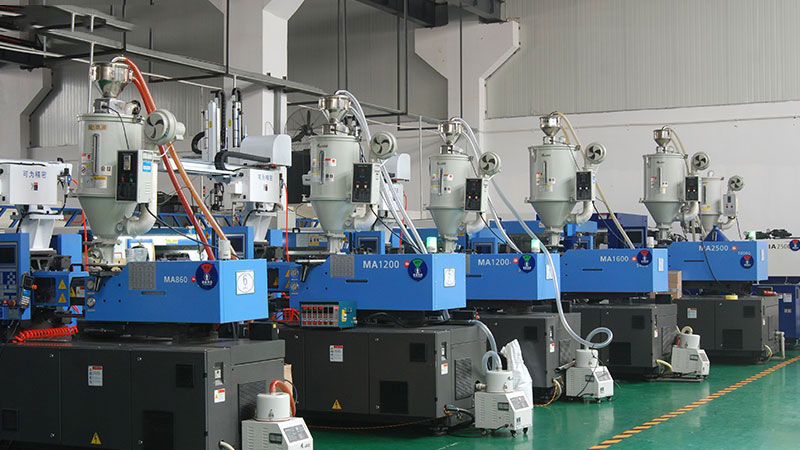
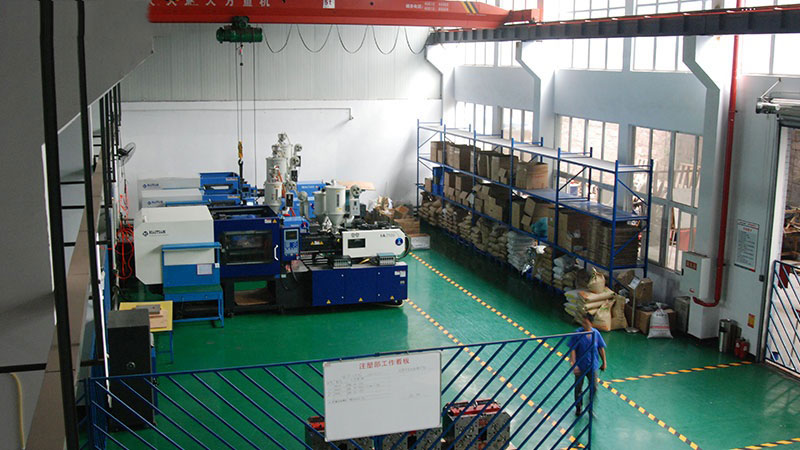
The foundation of a successful import project is a thoroughly vetted partner. In 2024, basic website checks are insufficient. Start with a multi-platform analysis: review the supplier’s presence on industry-specific B2B platforms like Made-in-China, but also examine their professional activity on LinkedIn and technical contributions on engineering forums. The core of verification, however, must be a live, unannounced video audit. Request a real-time walkthrough of their facility via video call. Focus on the machine park—look for modern CNC, EDM, and injection molding machines—and the shop floor organization. A professional China mold factory will have designated areas for design, machining, quality inspection, and trial runs. Crucially, ask for and contact references from past overseas clients with projects of similar complexity to yours. This due diligence step filters out trading companies and identifies true manufacturing partners.
**Mastering the Technical and Commercial Documentation Process**
Clarity in requirements prevents 80% of future problems. Your initial package must be comprehensive. Beyond providing a 3D CAD model (STEP or IGS format), include a detailed mold specification sheet. This document should cover steel type (e.g., P20, H13, S136 for corrosion resistance), cavity surface finish (SPI standards), cooling line layout, expected cycle time, and part material (e.g., PP, ABS, PC). Simultaneously, the commercial quotation must be dissected. Ensure it breaks down costs for mold design, materials, machining, heat treatment, trial shots, and shipping. Understand the payment terms (e.g., 40% deposit, 50% after T1 sample approval, 10% before shipment) and the warranty period for workmanship and materials. A professional supplier will provide a stage-gate project timeline with clear milestones for design review, first article inspection (FAI), and sample approval, formalizing the procurement process.
**Implementing Proactive and Structured Quality Control**
Waiting until the mold is finished to inspect is a high-risk strategy. Implement a layered QC approach. First, insist on a Design for Manufacturability (DFM) report before steel is cut. This analysis will highlight potential issues in part geometry, gate locations, and ejection. Second, mandate in-process inspections. Request photos or videos of key stages: material certificates for the steel, finished CNC machining of the core and cavity, and the assembled mold before the trial. For critical projects, hiring a local third-party quality inspection firm for a Pre-Shipment Inspection (PSI) is a wise investment. They can witness the mold trial run, check part dimensions against your drawings using CMM reports, and verify the mold’s performance on the press. This structured oversight transforms quality control from a reactive hurdle into a proactive management tool.
**Navigating Logistics, IP Protection, and Long-Term Partnership**
Finalizing the mold is only part of the journey. Discuss Incoterms 2026 explicitly—FOB Shanghai is common, placing responsibility for main shipping and insurance on you. Consider mold insurance for transit. For intellectual property, a well-drafted Non-Disclosure Agreement (NDA) and Product Confidentiality Agreement are essential, but their enforcement relies on partnering with a reputable factory. Building a relationship is key. View your initial order not as a transaction, but as a pilot for a long-term partnership. Clear, respectful communication, prompt feedback on samples, and fair business practices encourage the supplier to prioritize your projects. A trusted partner becomes an extension of your engineering team, offering valuable insights for future designs and production efficiency.
In conclusion, importing custom molds for plastic from China in 2026 demands a blend of meticulous verification, technical clarity, and proactive partnership management. The process is systematic: identify a capable China mold factory through deep-dive verification, govern the project with exhaustive documentation, enforce quality at every production stage, and secure the investment through smart logistics and relationship building. By adhering to this professional framework, overseas buyers can confidently leverage China’s unparalleled manufacturing ecosystem. The goal is not merely to purchase an injection mold, but to secure a reliable production tool that delivers consistent, high-quality plastic components, driving product success and competitive advantage for years to come.
Work With Us
As a professional China mold manufacturer, we provide one-stop mold solution for overseas buyers.
📞 Phone: +86-18605944639
💬 WhatsApp: +8618605944639
🌐 Website: bestmoldworks.com
📧 Email: [email protected]