For overseas businesses, sourcing a custom injection molding machine and the corresponding injection mold from China represents a significant strategic advantage. The combination of technical expertise, cost efficiency, and scalable manufacturing is compelling. However, the path from concept to finished part is fraught with potential challenges, from miscommunication to quality discrepancies. As we look toward 2026, the procurement landscape is becoming more sophisticated. This guide provides actionable, professional advice to navigate this complex process, ensuring you partner with the right China mold factory and secure a return on your investment that goes beyond just price.
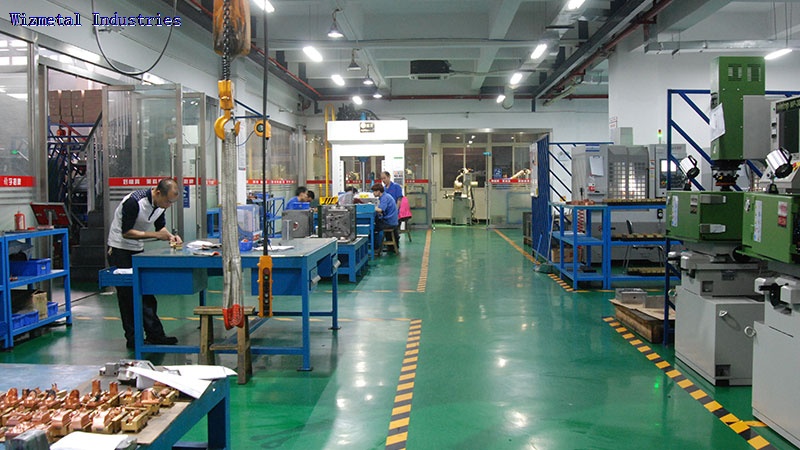
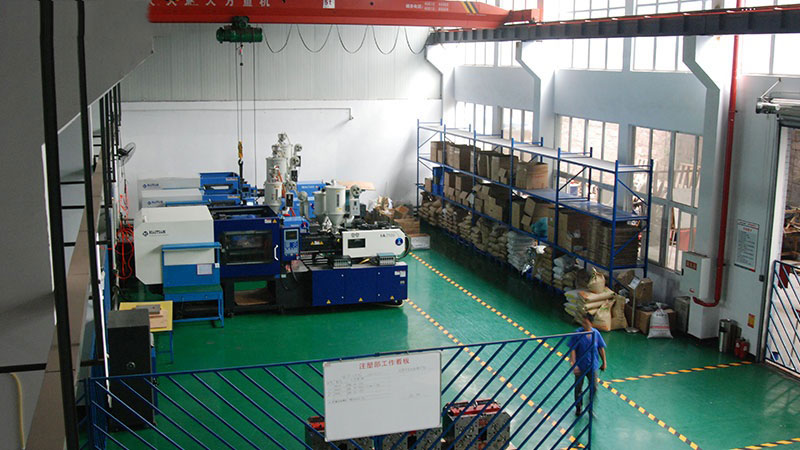
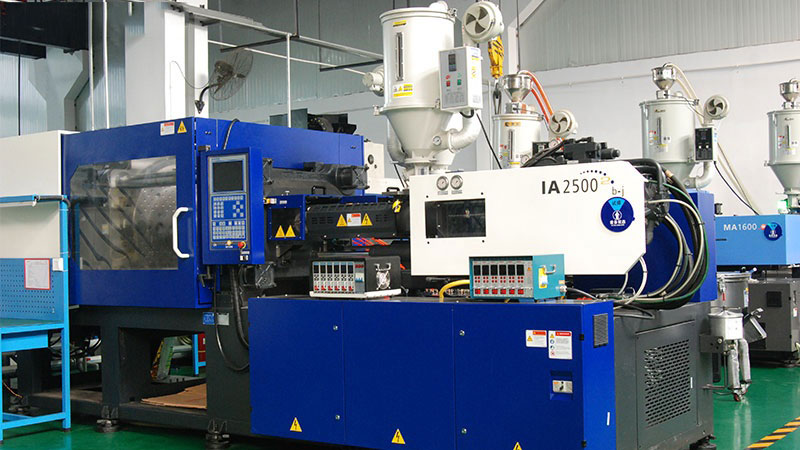
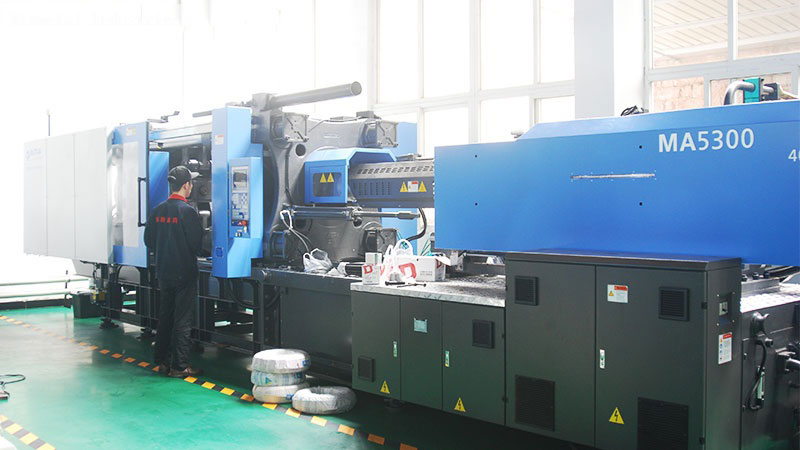
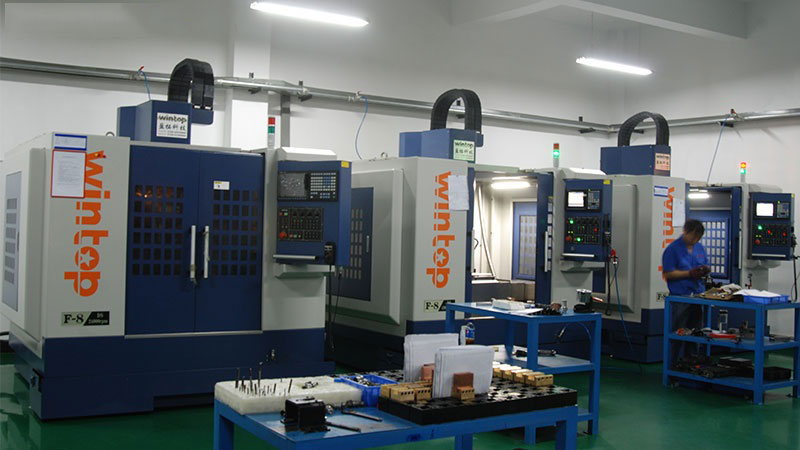
The foundation of a successful project lies not in the machine quotation alone, but in comprehensive supplier verification. In 2026, due diligence must be digital and deep. Move beyond Alibaba storefronts. Scrutinize the supplier’s engineering portfolio for projects similar in complexity, material, and volume to yours. Request virtual factory tours via video call to assess their actual workshop, machine park—including the age and brand of their custom injection molding machines—and cleanliness. Verify business licenses and export credentials. Crucially, contact past international clients. A reputable China mold factory will provide references. Ask these references about the supplier’s problem-solving attitude, communication fluency, and adherence to timelines. This step filters out trading companies masquerading as manufacturers and identifies true engineering partners.
Once a potential partner is identified, mastering the technical and commercial dialogue is critical. The term “custom injection molding machine” often refers to the molding system as a whole—the mold, the machine, and the process parameters. Your request for quotation (RFQ) package must be impeccable. Provide not just a 3D CAD model, but a comprehensive product design specification including material grade, critical tolerances, cosmetic requirements (e.g., SPI finish standards), and intended annual volumes. This clarity prevents misunderstandings and allows for accurate costing. Discuss the mold steel type (e.g., pre-hardened 718, hardened S136), cooling line design, and cavitation. Be explicit about ownership of the injection mold design and manufacturing files; ensure contracts stipulate that all intellectual property transfers to you upon final payment. This formal, detailed approach sets a professional tone from the outset.
Proactive quality control, integrated from the start, is your primary risk mitigation tool. Do not let inspection be an afterthought. Mandate a First Article Inspection (FAI) and a pre-shipment inspection. For critical components, consider engaging a third-party quality control agency based in China for impartial Dimension Report and material certification checks. During the mold trial phase, request a Detailed Mold Trial Report with video evidence. This report should document part measurements, process parameters (injection speed, pressure, cooling time), and images of the molded parts. Insist on using the specific material your production will use, not a substitute. This phase is your opportunity to approve the mold before it ships. A supplier resistant to transparent quality control protocols is a major red flag.
Navigating logistics and fostering a long-term partnership are the final, crucial steps. Understand Incoterms thoroughly; FOB Shenzhen is common, but you must arrange and pay for shipping and insurance. For the injection mold, a robust export crate is non-negotiable to prevent transit damage. For production runs, discuss packaging standards to prevent part damage. View this procurement not as a one-time transaction but as the start of a strategic alliance. A reliable partner becomes an extension of your engineering team. They can advise on design for manufacturability (DFM) tweaks for future products, help with material selection, and ensure consistent supply. Schedule regular review meetings and consider visiting the factory in person to strengthen the relationship. This long-term perspective transforms your China mold factory from a vendor into a valuable asset.
In conclusion, importing molds and managing production on a custom injection molding machine in China in 2026 demands a blend of rigorous vetting, precise communication, and embedded quality assurance. The lowest bid is often the most expensive in the long run when considering rework, delays, and project failures. By investing time in thorough supplier verification, preparing impeccable technical documentation, implementing staged quality control checkpoints, and planning for a lasting partnership, you de-risk the process significantly. This professional, systematic approach empowers you to leverage China’s manufacturing prowess effectively, turning the challenge of distance into a durable competitive advantage for your business.
Work With Us
As a professional China mold manufacturer, we provide one-stop mold solution for overseas buyers.
📞 Phone: +86-18605944639
💬 WhatsApp: +8618605944639
🌐 Website: bestmoldworks.com
📧 Email: [email protected]