Category: Custom molds for resin

  • plastic manufacturers in china: Complete Procurement Gu 2026

    For global businesses, from ambitious startups to established OEMs, sourcing from plastic manufacturers in China remains a cornerstone strategy for achieving competitive advantage. The potential for significant cost savings, access to extensive manufacturing capabilities, and rapid scalability is undeniable. However, the path to a successful partnership is often fraught with challenges: navigating a vast supplier landscape, ensuring consistent quality, managing logistics, and bridging cultural and communication gaps. This guide is designed to cut through the complexity. We provide a clear, actionable 2026 roadmap for overseas buyers to proficiently import molds and plastic parts, transforming a daunting process into a structured and successful procurement operation.

    Mastering Supplier Discovery and Verification

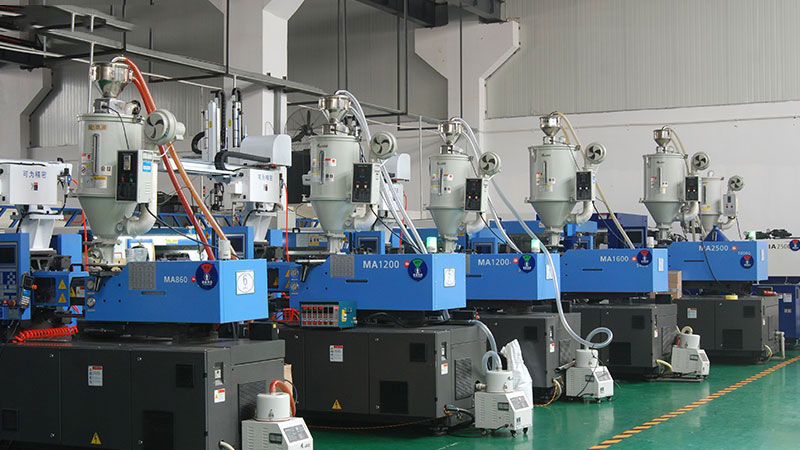
    The initial search can be overwhelming. Moving beyond basic directories like Alibaba is crucial for sourcing critical components like injection molds. Begin by targeting industry-specific B2B platforms and attending major trade shows such as Chinaplas or the Canton Fair, which offer direct exposure to established manufacturers. The real work begins with rigorous supplier verification. Essential checks include obtaining and validating the business license, requesting factory audit reports (often available from third-party inspection companies), and scrutinizing their portfolio for projects similar in complexity and industry to yours. A true China mold factory with in-house design, machining, and molding capabilities offers greater control and communication efficiency than a trading company. In 2026, leverage video conferencing tools to conduct virtual factory tours; a reputable supplier will readily showcase their shop floor, machinery, and quality control stations.

    Strategic Communication and Technical Alignment

    Clear communication is your most powerful tool against costly errors. The foundation of any project is a comprehensive and unambiguous Technical Data Sheet (TDS) and Request for Quotation (RFQ). For an injection mold, this must include detailed 3D drawings (STEP or IGS files), material specifications (grade and supplier), tolerances (critical vs. non-critical), surface finish requirements (SPI standards), and expected part volumes. When discussing with potential plastic manufacturers in China, be prepared for a collaborative design for manufacturability (DFM) process. A competent partner will provide DFM feedback, suggesting modifications to wall thickness, draft angles, or gate locations to enhance moldability and reduce cost. Establish a single point of contact on both sides who is technically fluent, and confirm all agreements in writing. Remember, the goal is not just to get a quote, but to ensure both parties have identical technical expectations.

    Implementing a Robust Quality Control Framework

    Quality cannot be an afterthought; it must be engineered into the process from day one. Define your quality standards explicitly and agree upon them with your supplier before production begins. This includes approving a First Article Inspection (FAI) report, where a sample from the initial production run is measured against all dimensional criteria. For ongoing production, institute a statistically based inspection protocol. This could involve Periodic Inspection during production runs or a more formal Pre-Shipment Inspection (PSI), where an independent third-party inspector checks a random sample of the batch against agreed-upon Acceptable Quality Limits (AQL). For high-precision parts, discuss process validation methodologies with your China mold factory, such as Capability Studies (CPK) for critical dimensions. Investing in proactive quality control is far less expensive than dealing with rejected shipments or field failures.

    Navigating Logistics, IP Protection, and Partnership Development

    Finalizing the mold is only part of the journey. Clarify incoterms (e.g., FOB, EXW, DAP) with your supplier to avoid hidden costs and understand responsibilities. For molds, consider shipping method carefully—air freight for urgency, sea freight for cost-effectiveness. Ensure proper crating and insurance. Intellectual Property (IP) protection is a valid concern. Work with a legal professional to draft a robust Non-Disclosure Agreement (NDA) and mold ownership agreement. While absolute guarantees are complex in any jurisdiction, partnering with a reputable manufacturer who values long-term relationships is a strong deterrent against IP theft. View your procurement not as a transactional purchase but as a partnership development exercise. Reliable plastic manufacturers in china value consistent, fair, and communicative buyers. Building trust through timely payments, clear feedback, and realistic timelines paves the way for preferential treatment, problem-solving collaboration, and long-term stability in your supply chain.

    Conclusion

    Importing molds from China in 2026 demands a blend of diligent preparation, strategic communication, and systematic oversight. The landscape rewards informed and professional buyers. By methodically verifying suppliers, aligning technically with precision, enforcing a stringent quality control regime, and managing the commercial and logistical details with care, you can unlock the immense value offered by China’s manufacturing ecosystem. This transforms the procurement process from a source of risk into a reliable pillar of your product development and production strategy. The goal is to move beyond finding a simple vendor to cultivating a true manufacturing partner, ensuring quality, consistency, and innovation flow seamlessly into your global operations.

    Work With Us

    As a professional China mold manufacturer, we provide one-stop mold solution for overseas buyers.
    📞 Phone: +86-18605944639
    💬 WhatsApp: +8618605944639
    🌐 Website: bestmoldworks.com
    📧 Email: [email protected]
  • custom injection mold maker near me: Best Suppliers & 2026

    For overseas buyers, the search for a “custom injection mold maker near me” often reveals limited options with high costs and extended lead times. This local search, while intuitive, can constrain your project’s scalability and budget. In 2026, the strategic pivot is not about geographic proximity but about building seamless, reliable partnerships with expert manufacturers overseas, predominantly in China. The true competitive advantage lies in mastering the procurement process with a leading China mold factory. This guide provides actionable insights to navigate this landscape, ensuring you secure high-quality, cost-effective custom injection molds while mitigating the inherent risks of international sourcing.

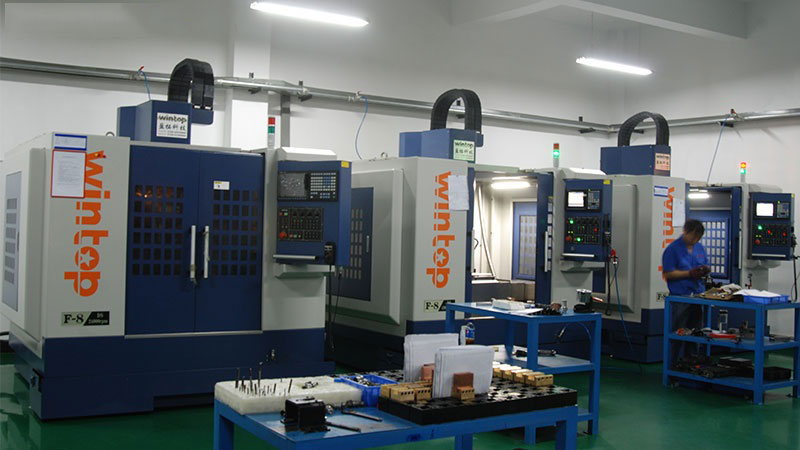
    The foundational step is a paradigm shift from “near me” to “best for me.” Your procurement journey begins with rigorous supplier verification. Moving beyond simple online directories, leverage industry-specific B2B platforms like Alibaba, Made-in-China, and Global Sources, but apply deep scrutiny. Prioritize suppliers with verified onsite check reports, audited financials, and genuine production videos. Essential checks include requesting business licenses, visiting the factory virtually via live video tour (insist on an unscripted walkthrough of the workshop), and obtaining a detailed list of past international clients. Contact these references directly to inquire about project management, communication, and post-sales support. This due diligence transforms an anonymous China mold factory into a vetted potential partner.

    Once a shortlist is established, the focus turns to technical clarity and quality control frameworks. The initial quotation phase is critical. Provide potential suppliers with a comprehensive product design package, including 3D files (STEP or IGS), 2D drawings with critical tolerances, material specifications, and expected annual volumes. A professional injection mold maker will respond not just with a price, but with a Design for Manufacturability (DFM) report. This document is a key indicator of expertise, highlighting potential issues in your design and suggesting optimizations for moldability, cost, and longevity. Simultaneously, discuss and agree upon a staged quality control protocol. This should include First Article Inspection (FAI) reports with CMM data, mold sampling approval before mass production, and defined Inspection and Test Plans (ITP) for the final parts. Embedding these QC checkpoints into your contract is non-negotiable.

    Effective communication and project management are the engines of a successful import process. Overcoming language and time zone barriers requires establishing clear protocols. Designate a single point of contact on both sides who possesses technical English proficiency. Utilize collaborative tools like shared cloud folders for drawings, Zoom for weekly progress meetings, and project management software to track milestones. Discuss and understand the complete mold trial process—this is where a prototype batch is produced and evaluated. A reliable partner will provide detailed trial reports, high-resolution photos, and video of the molding process. Be prepared to iterate; solving issues at the trial stage is far cheaper than after production begins. This proactive, transparent approach minimizes misunderstandings and delays.

    The final stage involves navigating logistics, IP protection, and building a long-term relationship. Before shipment, ensure all agreed-upon final inspections are completed and documented. Understand the incoterms (like FOB or EXW) in your contract, as they define shipping responsibilities and costs. For intellectual property, a well-drafted Non-Disclosure Agreement (NDA) and Product Confidentiality Agreement are essential before sharing any designs. While legal enforcement across borders has challenges, partnering with a supplier who values long-term collaboration over short-term gain is your strongest safeguard. A trustworthy custom injection mold maker near me, in the global sense, views your success as their own, ensuring consistent quality for future orders and even assisting with mold maintenance and modifications.

    In conclusion, the quest for a “custom injection mold maker near me” in 2026 is redefined as a strategic, managed process of engaging with top-tier Chinese mold manufacturers. By mastering supplier verification, insisting on structured quality control, implementing robust communication, and safeguarding your interests, you transform geographical distance into a significant competitive edge. The most valuable proximity is not measured in miles but in the alignment of expertise, reliability, and mutual business goals. As you plan your procurement strategy for the coming year, let these actionable steps guide you to a partnership that delivers precision, value, and growth for your business.

    Work With Us

    As a professional China mold manufacturer, we provide one-stop mold solution for overseas buyers.
    📞 Phone: +86-18605944639
    💬 WhatsApp: +8618605944639
    🌐 Website: bestmoldworks.com
    📧 Email: [email protected]
  • injection mold manufacturers near me: Ultimate Guide f 2026

    For overseas buyers, the search for “injection mold manufacturers near me” often concludes with a strategic pivot: looking not just locally, but globally, with China standing as the predominant destination. This guide for 2026 is crafted for procurement professionals, engineers, and entrepreneurs who recognize that the most competitive and capable injection mold suppliers may be thousands of miles away. The challenge, therefore, transforms from finding a local workshop to expertly navigating the vast landscape of Chinese manufacturing. This ultimate guide provides a professional, actionable framework to efficiently identify, verify, and partner with a reliable China mold factory, ensuring your project’s success from the drawing board to production.

    **Rethink Your Search: From Geographic Proximity to Strategic Sourcing**

    The initial impulse to search for “injection mold manufacturers near me” is understandable, driven by desires for easier communication and logistical simplicity. However, for injection mold tooling—a high upfront investment with long-term production implications—the calculus changes. China’s mold industry offers unparalleled advantages in cost-effectiveness, technical capability across a vast range of complexities, and vertically integrated production ecosystems. Your goal in 2026 should be to replicate the confidence of a local partnership with a supplier overseas. This begins by shifting your search parameters online to industrial hubs like Shenzhen, Dongguan, Ningbo, and Suzhou. Utilize global B2B platforms, but more importantly, invest time in industry-specific directories and technical forums where engineering discussions reveal supplier competence. The first actionable step is to compile a long list of potential China mold factories specializing in your industry, whether automotive, medical, consumer electronics, or packaging.

    **Conduct Rigorous Supplier Verification Beyond the Website**

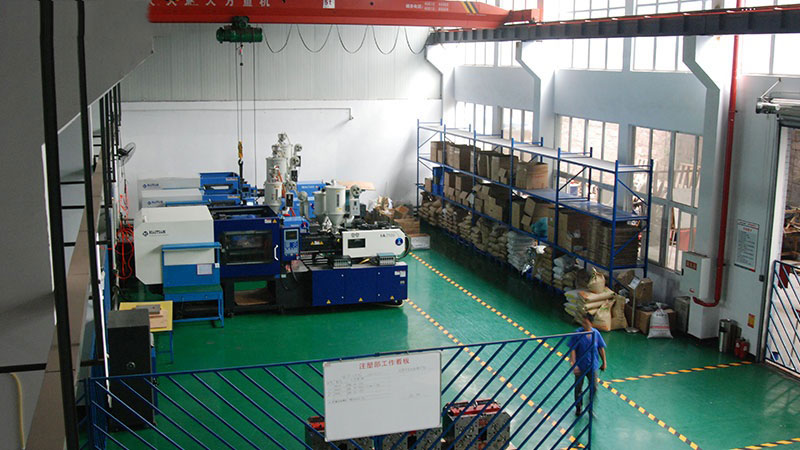
    A polished website and fluent English sales representative are baseline expectations, not indicators of reliability. In-depth supplier verification is your most critical risk mitigation step. Start by requesting a detailed company profile including business licenses, registered capital, and factory address. Verify this information through third-party services or by checking Chinese business registration portals. Crucially, demand evidence of technical capability: request portfolios of past projects with similar complexity to yours, ask for CAD/CAM software proficiency details, and inquire about their standard mold flow analysis and design validation process. In 2026, a reputable injection mold manufacturer should readily offer a virtual factory tour via video call. Use this opportunity to inspect shop floor organization, machinery brands (e.g., DMG Mori, Sodick, Fanuc), and quality control stations. Confirming they possess in-house capabilities for design, machining, EDM, and trial injection is essential to avoid subcontracting pitfalls.

    **Implement a Phased Quality Control and Communication Protocol**

    Procurement from overseas hinges on systematic quality control and clear communication. Establish a phased inspection protocol aligned with key mold milestones. Stage One: Design Review. Insist on a collaborative design for manufacturability (DFM) analysis before steel is cut. A competent supplier will provide annotated feedback to optimize your part for molding, reducing cost and improving quality. Stage Two: First Article Inspection (FAI). Upon mold completion and initial sampling, require comprehensive inspection reports including CMM data, material certificates, and surface finish measurements. For critical projects, employ a third-party quality inspection firm in China for an impartial pre-shipment audit. Stage Three: Trial Run Validation. Approve production only after samples from a mass production trial run meet all your functional and aesthetic criteria. Throughout this process, use shared project management tools for tracking revisions and deadlines. Assign a single point of contact on both sides, but ensure your technical questions can be directly addressed by the supplier’s engineering team.

    **Navigate Logistics, IP Protection, and Total Cost Analysis**

    Finalizing a partnership requires addressing practical and legal considerations. Intellectual Property (IP) protection is a paramount concern. While China has strengthened IP laws, proactive measures are necessary. Have a clear, enforceable Non-Disclosure Agreement (NDA) in place before sharing detailed designs. Consider registering your design patents in China. For the mold itself, contractually define ownership; typically, the buyer owns the mold tooling, which is held by the supplier for production. Regarding logistics, understand Incoterms thoroughly. For high-value molds, FOB (Free On Board) is often preferred, giving you control over the main shipping and insurance. Factor in all costs beyond the mold quote: design modifications, sample shipping, inspection fees, and potential import duties. The most competitive injection mold price is meaningless if it results in poor quality, delays, or hidden costs that erode your project’s viability.

    **Build a Partnership for Long-Term Production Success**

    View your selected China mold factory not as a one-time vendor, but as a strategic partner for your product lifecycle. A reliable partner will transparently discuss maintenance, spare components, and future modifications. Discuss their capacity for production molding after tooling approval if you plan to use them for manufacturing. Understanding their injection molding press tonnage range, cleanroom capabilities, or automation options for mass production is forward-thinking. Establish clear terms for mold storage and maintenance fees. In the dynamic landscape of 2026, a supplier that demonstrates continuous investment in new technologies, such as conformal cooling or advanced steel alloys, becomes an asset for your future projects.

    Conclusion

    The journey to find exemplary “injection mold manufacturers near me” for overseas buyers in 2026 is ultimately a journey to master strategic global procurement. By redefining your search criteria, executing diligent supplier verification, enforcing structured quality control, and safeguarding your intellectual and financial interests, you can confidently tap into the expertise of Chinese mold makers. The ultimate goal is to transform geographical distance into a competitive advantage, securing high-quality injection molds that deliver reliability and value throughout their entire service life. This disciplined approach ensures that your overseas procurement decision is not a compromise, but a calculated step towards superior manufacturing outcomes.

    Work With Us

    As a professional China mold manufacturer, we provide one-stop mold solution for overseas buyers.
    📞 Phone: +86-18605944639
    💬 WhatsApp: +8618605944639
    🌐 Website: bestmoldworks.com
    📧 Email: [email protected]
  • custom made plastic pieces: Expert Tips & Solutions 2026

    For overseas buyers, the journey to procure high-quality, cost-effective custom made plastic pieces often leads to China, the world’s manufacturing powerhouse. The potential for significant savings and access to advanced manufacturing capabilities is immense. However, navigating this landscape—from identifying a competent China mold factory to ensuring flawless final parts—presents distinct challenges. This guide, tailored for 2026, moves beyond generic advice to deliver expert, actionable solutions for securing reliable injection mold partners and achieving a successful, stress-free import process.

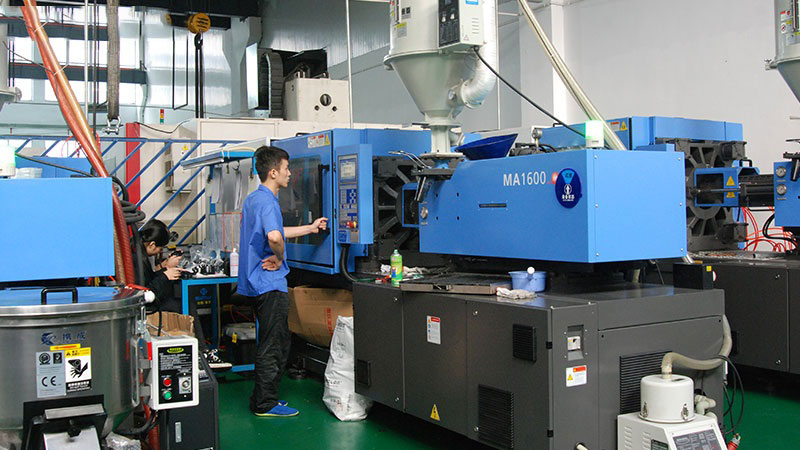
    The cornerstone of successful procurement is meticulous supplier verification. In 2026, due diligence is non-negotiable. Begin by moving past Alibaba listings alone. Scrutinize a potential supplier’s dedicated website for technical depth, client case studies, and certifications like IATF 16949 or ISO 9001. Utilize video conferencing for virtual factory tours; insist on seeing their machining centers, EDM equipment, and quality control lab in real-time. Request and independently contact references from past overseas clients, specifically those who have ordered similar custom made plastic pieces. Furthermore, leverage professional verification services or local agents who can conduct in-person audits. This initial investment in verification mitigates the paramount risk of partnering with an underqualified workshop, safeguarding your project timeline and budget.

    Once a qualified partner is shortlisted, mastering the technical and commercial dialogue is critical. Your request for quotation (RFQ) must be a comprehensive blueprint. Beyond part drawings, include material specifications (grade and supplier), expected annual volumes, cosmetic requirements (e.g., SPI finish standards), and critical tolerances. Clearly discuss the mold steel type (such as P20, H13, or S136) and mold lifecycle expectations. For the injection mold itself, delve into details like cooling line design, gate type, and ejection strategy. A professional China mold factory will ask clarifying questions, not just accept a vague brief. Simultaneously, transparently negotiate payment terms; a common and balanced structure is 50% deposit, 40% upon mold trial approval, and 10% after mass production shipment. Ensure all agreed terms, including intellectual property ownership, are encapsulated in a formal, bilingual contract.

    Proactive quality control, integrated from the start, is your most powerful tool. Do not wait for the first shipment to inspect quality. Insist on a First Article Inspection (FAI) report and a fully documented Process Capability (Cp/Cpk) study on critical dimensions from the initial production run. For ongoing procurement, implement a structured QC plan. This can range from periodic inspections by a hired third-party quality assurance firm during production to pre-shipment inspections that check for defects, dimensions, and assembly. Provide the supplier with your Approved Sample, signed and sealed, as the physical benchmark. Modern suppliers should be adept at sharing real-time data, including inspection reports and packaging photos, via cloud platforms. This hands-on approach transforms quality control from a reactive problem into a managed process.

    Finally, view the partnership as a strategic collaboration for long-term efficiency. The lowest initial mold price is rarely the most cost-effective over a product’s lifecycle. Discuss design for manufacturability (DFM) feedback early; an experienced injection mold engineer can suggest subtle changes that drastically improve yield and cycle time. Plan for mold maintenance and spare parts; a reputable supplier will provide the mold design and a list of recommended spare components. Furthermore, consider logistical planning: clarify incoterms (FOB is common), ensure proper packaging to prevent damage during ocean freight, and understand all destination country customs duties and regulations for plastic goods. Building this collaborative, transparent relationship with your supplier ensures not just a successful first order but a resilient supply chain for future projects requiring custom made plastic pieces.

    In conclusion, importing molds and plastic components from China in 2026 demands a blend of rigorous verification, technical clarity, embedded quality protocols, and strategic partnership. By implementing these expert tips—from deep-dive supplier audits to pre-shipment inspections—overseas buyers can confidently navigate the complexities of the market. The goal is to leverage China’s manufacturing excellence to secure not only cost advantages but also superior product quality and reliability, turning a complex procurement challenge into a definitive competitive edge for your business.

    Work With Us

    As a professional China mold manufacturer, we provide one-stop mold solution for overseas buyers.
    📞 Phone: +86-18605944639
    💬 WhatsApp: +8618605944639
    🌐 Website: bestmoldworks.com
    📧 Email: [email protected]
  • custom injection mold price: Expert Tips & Solutions 2026

    Navigating the landscape of custom injection mold procurement from China presents a significant opportunity for cost efficiency and manufacturing scalability. However, for overseas buyers, the journey to a fair and transparent custom injection mold price is often fraught with complexity. The initial quote is merely a starting point; the final investment and its true value are determined by a series of critical decisions and verifications. This guide provides expert, actionable solutions for 2026, designed to help you secure not just a competitive price, but a reliable partnership and a high-quality mold that delivers long-term value.

    Understanding that the custom injection mold price is a function of multiple variables is your first strategic advantage. It is not a commodity with a fixed rate but a engineered product whose cost is influenced by mold size and complexity, material selection, cavity count, surface finish requirements, and lead time. A professional China mold factory will dissect your project requirements to provide a detailed breakdown. Be wary of suppliers who offer a suspiciously low price without a thorough Q&A process; this often signals inexperience or a strategy to add costs later. Your goal is to align your specifications with a manufacturer’s capability to ensure the quoted price is realistic and comprehensive, covering design, steel, machining, trials, and necessary documentation.

    The cornerstone of securing a fair custom injection mold price lies in rigorous supplier verification. In 2026, due diligence extends beyond a website and a price list. Initiate video calls to tour the facility virtually, assessing their machinery, workshop organization, and engineering team. Request and contact references from existing overseas clients, specifically those with similar project scales. Verify business licenses and export histories. A reputable injection mold partner will be transparent and encourage this scrutiny. This step filters out trading companies masquerading as factories and identifies true manufacturers with a track record of international cooperation. Investing time in verification mitigates the immense risk of cost overruns, delays, and quality failures that can dwarf any initial savings from a lower quote.

    Procurement strategy must evolve from a simple price negotiation to a focus on total cost of ownership. A slightly higher initial investment in a robust mold can yield substantial savings in per-part production costs and mold longevity. Discuss with your potential supplier their approach to critical components: the grade and hardness of mold steel, the brand and precision of standard parts like hot runners and ejector pins, and their cooling channel design expertise. An expert tip is to agree on a fixed price for the mold with a clear scope of work, but also understand the variables. Will future engineering changes incur costs? What is the policy on mold modifications after the first trial? Clarity on these points prevents unexpected invoices and ensures the quoted custom injection mold price remains the foundation of your business case.

    Implementing proactive quality control throughout the manufacturing lifecycle is non-negotiable. The price you agree upon must be protected by a structured QC protocol. For overseas buyers, this means insisting on staged inspections. Key milestones include a pre-production check of raw steel material certificates, an in-process inspection of the machined mold core and cavity, and a final sampling inspection using parts from the Trial Run Report. Employ a trusted third-party inspection service within China for the critical final audit before shipment. This process provides leverage and ensures the injection mold meets all dimensional, aesthetic, and functional specifications. A professional China mold factory will have no objection to this and will often provide detailed inspection reports as part of their service, validating the value behind the price.

    In conclusion, mastering the procurement of a custom injection mold from China in 2026 requires a shift from price-focused to value-driven thinking. The journey encompasses a deep understanding of cost drivers, meticulous supplier verification, a strategic view of total ownership costs, and an unwavering commitment to staged quality control. By applying these expert solutions, you transform the procurement process from a transactional cost center into a strategic investment. You will not only gain clarity on the injection mold price but, more importantly, build a reliable supply chain partnership that ensures manufacturing consistency, product quality, and competitive advantage for years to come. Let these tips guide your next project to a successful and profitable outcome.

    Work With Us

    As a professional China mold manufacturer, we provide one-stop mold solution for overseas buyers.
    📞 Phone: +86-18605944639
    💬 WhatsApp: +8618605944639
    🌐 Website: bestmoldworks.com
    📧 Email: [email protected]
  • Custom Silicone Mold with Logo: Professional Buying Gu 2026

    For overseas businesses, from startups to established brands, sourcing custom manufacturing components is a strategic move to enhance product offerings and control costs. Among these, creating a custom silicone mold with logo presents a unique opportunity to produce branded, high-quality parts, promotional items, or packaging inserts. However, navigating the procurement landscape in China can be daunting. This 2026 guide is designed to cut through the complexity, offering professional, actionable advice to ensure your project’s success from initial concept to final delivery.

    The journey begins long before you request a quote. Precise definition is paramount. Start by creating a comprehensive specification document. This should include detailed 2D drawings or 3D CAD files (STEP or IGS formats are industry standard) with all critical dimensions, tolerances, and draft angles clearly marked. For the logo, provide vector artwork (AI or EPS) to ensure sharp, clean reproduction. Specify the silicone material grade required—consider food-grade, high-temperature resistance, or specific hardness (Shore A scale). Also, define the intended use, production volume, and any regulatory certifications needed (like FDA, LFGB, or RoHS). This level of detail not only accelerates the quoting process but also establishes you as a knowledgeable buyer, setting the stage for clear communication with potential China mold factory partners.

    Finding a capable supplier is the most critical step. Moving beyond basic online directories, leverage B2B platforms like Made-in-China.com or Global Sources, but apply rigorous filters. Prioritize suppliers who explicitly list silicone or rubber molding as a core competency, not just general plastic injection mold services. Scrutinize their project galleries for logos and complex geometries similar to your needs. The cornerstone of supplier verification in 2026 involves a multi-step approach. First, initiate video calls to tour their facility virtually; observe their workshop organization, machinery, and quality control stations. Second, request and contact past overseas client references. Third, consider starting with a small, paid prototype order to evaluate their engineering support, communication efficiency, and output quality firsthand before committing to full production tooling.

    Understanding the technical and commercial process is non-negotiable. A professional China mold factory will guide you through steps like DFM (Design for Manufacturability) analysis, where they may suggest modifications to reduce cost and improve mold longevity. Clarify the cost structure: the mold (tooling) cost is a one-time fee, while the per-piece price covers silicone material, labor, and overhead. Ensure you have full ownership rights to the mold design. Discuss the production schedule, including time for mold fabrication, sampling, revisions, and mass production. A reliable partner will be transparent about these phases and provide regular progress updates, perhaps through a shared project management portal.

    Implementing proactive quality control (QC) strategies separates successful imports from costly failures. Do not assume QC is solely the supplier’s responsibility. Define your AQL (Acceptable Quality Level) standards for critical dimensions, logo clarity, color consistency, and material properties in your purchase contract. For your initial production run, insist on pre-shipment inspection. You can hire a reputable third-party inspection agency located near the factory to perform checks on-site before goods are sealed for shipping. This provides an objective assessment of the batch against your agreed specifications. For the custom silicone mold with logo itself, inspect the first articles meticulously; the logo definition and part finish from the initial shots are the best indicators of the mold’s craftsmanship.

    Building a successful partnership for your custom silicone mold with logo project hinges on professional engagement and strategic oversight. By investing time in perfecting your design, conducting thorough supplier verification, understanding the procurement workflow, and enforcing stringent quality control measures, you transform the complexity of overseas sourcing into a competitive advantage. The goal is to establish a collaborative relationship with a Chinese mold manufacturer that is based on clarity, mutual respect, and shared standards. This professional approach not only secures a high-quality mold for your current needs but also paves the way for reliable, long-term manufacturing collaboration as your business grows in 2026 and beyond.

    Work With Us

    As a professional China mold manufacturer, we provide one-stop mold solution for overseas buyers.
    📞 Phone: +86-18605944639
    💬 WhatsApp: +8618605944639
    🌐 Website: bestmoldworks.com
    📧 Email: [email protected]

  • plastic mold manufacturer in china: Complete Procurem 2026

    For global businesses, partnering with a plastic mold manufacturer in China remains a strategic move to achieve significant cost savings, access extensive manufacturing expertise, and accelerate product development. However, the procurement journey is fraught with potential pitfalls, from supplier verification to consistent quality control. This guide is designed for the professional overseas buyer, cutting through the noise to provide a clear, actionable roadmap for successful procurement in 2026. We will focus on solving real problems and equipping you with the knowledge to navigate this complex landscape confidently.

    The journey begins long before you request a quote. Comprehensive supplier verification is the single most critical step in mitigating risk. Moving beyond a simple Alibaba search is imperative. Start by scrutinizing the China mold factory’s business licenses and export credentials. Utilize third-party verification services to confirm their legal standing. Next, evaluate their technical capability by requesting detailed case studies of molds similar to yours in complexity and industry. A reputable supplier will readily provide these. Insist on a live video tour of their facility; this allows you to assess their machinery, workshop organization, and engineering team in real-time. Pay close attention to the types of injection molding machines and mold-making equipment like CNC, EDM, and wire-cutting. This due diligence forms the bedrock of a reliable partnership and separates credible partners from intermediaries.

    Once a potential partner is identified, mastering the technical and commercial discussion is key. Your request for quotation must be exceptionally detailed to avoid misunderstandings and hidden costs. Provide a comprehensive package including 3D CAD files, 2D drawings with critical tolerances, material specifications, expected annual volumes, and lifecycle requirements. Clearly state your quality standards upfront. During negotiations, understand the cost structure: steel grade, mold complexity, number of cavities, surface finish, and delivery terms. For injection mold projects, discuss who will be responsible for mold design validation. A professional manufacturer will offer Design for Manufacturability feedback to optimize your part for production, reducing cost and improving quality. Establish a transparent payment schedule linked to milestones, such as 30% upon order, 40% after design approval, and 30% upon pre-shipment inspection.

    Proactive quality control cannot be an afterthought; it must be integrated into the contract and the entire production timeline. Define the inspection protocol clearly. For molds, this includes T1 sample approval using production-grade material on the correct machinery. Require full inspection reports for the first article, including CMM data, mold flow analysis results, and dimensional reports. For ongoing production, specify the frequency of in-process checks and the use of statistical process control charts. The most effective strategy for many overseas buyers is to engage a local third-party quality inspection firm. These experts can conduct critical inspections during key stages: after mold completion, at T1 sample trial, and during mass production runs. This independent verification provides an objective assessment and ensures the China mold factory adheres to the agreed specifications before shipment.

    The final phase, logistics and post-delivery support, is where long-term partnerships are solidified. Ensure you understand all Incoterms 2020. For high-value, precision tools like molds, FOB is often preferred, giving you control over the shipping partner and insurance. Proper packaging is crucial; molds must be crated in dry, sealed wooden boxes with anti-rust treatment. Verify that all documentation, including the commercial invoice, packing list, and certificate of origin, is accurate to prevent customs delays. Discuss post-delivery support explicitly. What is the warranty period for workmanship and materials? How are repair or modification costs handled? A reliable plastic mold manufacturer in China will offer clear terms, often providing a warranty of 12-24 months and support for maintenance. Establishing a protocol for spare part management for future production runs is also a sign of a forward-thinking supplier.

    Successfully importing molds from China in 2026 demands a disciplined, informed approach that prioritizes verification, clear communication, and rigorous quality oversight. The landscape is competitive, and the advantages are substantial for those who navigate it correctly. By treating your chosen China mold factory as a strategic partner rather than just a vendor, you build a foundation for innovation, cost efficiency, and scalable production. Remember, thorough procurement is an investment that pays dividends in product quality, supply chain stability, and ultimately, your market success. Begin your next project with this structured framework to transform the complexity of overseas procurement into a reliable competitive edge.

    Work With Us

    As a professional China mold manufacturer, we provide one-stop mold solution for overseas buyers.
    📞 Phone: +86-18605944639
    💬 WhatsApp: +8618605944639
    🌐 Website: bestmoldworks.com
    📧 Email: [email protected]

  • custom plastic injection molding services: Expert Tips 2026

    For overseas businesses, partnering with a China mold factory for custom plastic injection molding services represents a significant strategic advantage, offering unparalleled cost efficiency and manufacturing scalability. However, the path from initial concept to receiving high-quality, consistent parts is fraught with potential challenges, from communication gaps to quality discrepancies. As we look toward 2026, the landscape is becoming more sophisticated, demanding a more nuanced approach from international procurement teams. This guide provides expert, actionable tips tailored for the modern buyer, focusing on solving real problems in supplier verification, technical communication, and quality assurance to ensure your project’s success.

    Mastering Supplier Verification Beyond Alibaba

    The initial search for a partner is critical, and the process has evolved beyond simple directory listings. While platforms are a starting point, deep due diligence is non-negotiable. In 2026, expert verification involves a multi-layered approach. First, scrutinize the supplier’s digital footprint: a professional, detailed website with engineering-focused content is a positive indicator. Utilize international business verification services to check legal registration and capital. Most importantly, insist on a live video audit. A reputable injection mold manufacturer will readily conduct a real-time factory tour via video call, allowing you to see machinery, workshop organization, and quality control stations firsthand. Ask specific questions about their experience with your industry, material expertise, and export history to your region. This step filters out trading companies masquerading as factories and builds initial trust.

    Precision in Technical Communication and DFM

    The most common point of failure is ambiguous technical communication. To secure true custom plastic injection molding services, you must bridge the technical and linguistic divide. Providing a 3D CAD model (STEP or IGS format) is the baseline, not the finish line. The 2026 standard is to mandate a formal Design for Manufacturability (DFM) report before mold production begins. A competent China mold factory will analyze your design and provide a detailed DFM document highlighting potential issues like wall thickness inconsistencies, undercuts, gate locations, and ejection concerns. They should propose practical, cost-effective solutions. Engage in a thorough review of this report with your engineering team. Clarify every tolerance, surface finish specification (SPI standards), and material grade (including color codes). Document all agreements in a signed technical protocol—this becomes the binding blueprint for the project.

    Strategic Prototyping and Pilot Run Protocols

    Never authorize full-scale production without validating the injection mold itself. The expert procurement strategy for 2026 emphasizes a phased approval process. After mold manufacturing, require a sample batch of T1 parts from the initial trial. Conduct a rigorous first-article inspection (FAI), measuring every critical dimension against the CAD model and drawings. This stage often reveals minor adjustments needed in mold cooling or ejection. Following T1 adjustments, insist on a pilot run using production-intent materials and conditions. This run should yield a statistically significant sample size for capability analysis (Cp/Cpk) on key dimensions. Evaluate not just the parts, but also the cycle time and process stability. This pilot run is your final gateway; only approve mass production after you are fully satisfied with the pilot run parts and the documented process parameters.

    Implementing In-Process and Pre-Shipment Quality Control

    Passive hope is not a quality control strategy. Proactive monitoring is essential. Contractually define the quality control milestones your supplier must meet. For critical projects, this includes in-process quality control (IPQC) checks during production, with documented results. For all projects, a comprehensive pre-shipment inspection (PSI) is mandatory. Hire a reputable third-party inspection firm based in China to perform the PSI according to an Acceptable Quality Level (AQL) sampling plan you define. The inspector will check dimensions, appearance, function, and packaging. They will also verify that the parts are from the approved pilot run mold cavity and material batch. This objective checkpoint prevents unpleasant surprises upon container arrival and holds the supplier accountable to the agreed standards.

    Building a Partnership with Clear Contracts and IP Protection

    View your engagement as a long-term partnership, not a one-time transaction. This begins with a clear, comprehensive contract that covers terms beyond price and delivery. It must explicitly address intellectual property (IP) ownership: the mold design and the manufactured parts are your property. The contract should prohibit the supplier from using your mold for other clients or replicating your design. Include clauses for liability, payment schedules tied to project milestones (e.g., 30% upon order, 40% after T1 approval, 30% before shipment), and procedures for handling defects. Cultivating this partnership through regular communication and fair dealings often leads to better priority service, continuous improvement suggestions, and more favorable terms for future projects.

    Conclusion

    Successfully importing injection molds from China in 2026 requires a disciplined, informed approach that prioritizes verification, clear communication, and proactive quality management. By implementing these expert tips—from conducting thorough live audits and demanding detailed DFM reports to enforcing rigorous pilot runs and independent inspections—you transform the procurement process from a risky venture into a strategic advantage. The goal is to leverage the immense capability of Chinese manufacturing while maintaining unwavering control over your product’s quality, timeline, and intellectual property. With this framework, your journey to secure reliable custom plastic injection molding services will be marked by confidence and culminate in a profitable, long-term manufacturing partnership.

    Work With Us

    As a professional China mold manufacturer, we provide one-stop mold solution for overseas buyers.
    📞 Phone: +86-18605944639
    💬 WhatsApp: +8618605944639
    🌐 Website: bestmoldworks.com
    📧 Email: [email protected]

  • china plastic mold manufacturer: Reliable Manufacturers 2026

    For overseas buyers, the decision to import molds from China is driven by compelling advantages: significant cost savings, extensive manufacturing capabilities, and rapid prototyping potential. However, the path to a successful partnership is often obscured by concerns over quality, communication, and supplier reliability. As we look toward 2026, the landscape is evolving. The most successful importers will be those who move beyond simple price comparisons and implement a strategic, verification-focused procurement process. This guide provides actionable insights to help you identify and collaborate with a top-tier China plastic mold manufacturer, ensuring your project’s success in the coming years.

    The cornerstone of successful procurement is rigorous supplier verification. In 2026, a factory’s online presence is a starting point, not a conclusion. Begin with a deep dive into their specialization. A supplier claiming to do everything often excels at nothing. Scrutinize their portfolio for projects similar to yours in complexity, material, and industry (e.g., automotive, medical, consumer electronics). Next, move beyond Alibaba testimonials. Request detailed case studies and, crucially, ask for direct contact information for past international clients. A reputable China mold factory will have satisfied customers willing to vouch for them. Finally, verify legal and operational credentials. A legitimate business license, ISO 9001 certification for quality management, and membership in industry associations are baseline indicators of professionalism. This multi-layered verification separates market leaders from unreliable operators.

    Once a shortlist is established, mastering the technical and commercial discussion is critical. Your request for quotation (RFQ) must be exceptionally detailed to avoid costly misunderstandings. Include not just part drawings (in a universal format like .step or .igs), but also a comprehensive specification sheet. This should list required plastic materials, expected annual volumes, cosmetic requirements (e.g., SPI finish standards), tolerances, and critical function areas. For the injection mold itself, specify mold steel type (such as pre-hardened 718 or corrosion-resistant S136), expected lifecycle, hot runner system preferences, and cooling requirements. This precision allows for accurate, comparable quotes and demonstrates your technical seriousness, attracting better suppliers. It also forms the bedrock of your eventual quality control plan.

    Proactive quality control, integrated from the start, is non-negotiable. Agree on a staged inspection protocol with your chosen china plastic mold manufacturer before any payment is released. This typically includes a First Article Inspection (FAI) after the initial sample is produced from the finished mold. Critical checkpoints should also be set during the mold manufacturing process itself, such as after CNC machining and before heat treatment. For these inspections, you have options: dispatch your own quality agent, hire a trusted third-party inspection service based in China, or require detailed video and high-resolution photo reports with calibrated measuring instruments. Clearly define the approval process for each stage. This approach prevents major defects from progressing and ensures the final injection mold meets all dimensional and functional specifications.

    Navigating logistics, intellectual property (IP), and payment requires a balanced, secure approach. For IP protection, a well-drafted Non-Disclosure Agreement (NDA) and Product Confidentiality Agreement are essential before sharing sensitive designs. While registering patents in China is advisable for critical innovations, the most practical protection is working with a supplier who values long-term partnership over short-term gain. Regarding payment, avoid extreme terms. A 50% deposit with 50% balance before shipment is common, but for new partnerships, negotiate a portion (e.g., 10-20%) to be paid after pre-shipment inspection approval. For logistics, understand Incoterms clearly. FOB Shenzhen is standard, giving you control over shipping costs and carriers. Ensure the supplier properly prepares the mold for ocean freight with rust prevention and robust, crated packaging.

    The final step is building a partnership for 2026 and beyond. View your initial mold order not as a transaction, but as a trial for ongoing production. A reliable partner will show interest in your long-term business, offer insights for design for manufacturability (DFM) to optimize cost and quality, and be transparent about challenges. Communication is key; ensure they have English-speaking engineering staff and use collaboration tools effectively. As the relationship matures, discuss frameworks for future projects, mold maintenance, and even consignment stocking of spare mold components. The goal is to transition from a buyer-supplier dynamic to a strategic manufacturing alliance.

    In conclusion, sourcing from a China plastic mold manufacturer in 2026 demands a blend of diligent verification, technical clarity, and strategic partnership building. The competitive edge will no longer belong to those who simply find the lowest quote, but to those who systematically identify factories capable of delivering consistent quality and engineering excellence. By implementing a thorough procurement process, insisting on transparent quality control, and fostering open communication, overseas buyers can unlock the immense value of Chinese mold manufacturing. The journey requires an investment of time and careful planning, but the reward is a resilient, high-quality supply chain that drives product innovation and market success for years to come.

    Work With Us

    As a professional China mold manufacturer, we provide one-stop mold solution for overseas buyers.
    📞 Phone: +86-18605944639
    💬 WhatsApp: +8618605944639
    🌐 Website: bestmoldworks.com
    📧 Email: [email protected]

  • high quality mold: Professional Buying Guide 2026 | China Mold Factory

    For overseas buyers, the decision to import molds from China represents a significant strategic advantage, offering a compelling balance of cost efficiency and technical capability. However, the path to securing a truly high quality mold is often obscured by concerns about supplier reliability, communication barriers, and inconsistent standards. This guide is designed to cut through the uncertainty. We provide a professional, actionable framework for 2026, empowering you to navigate the Chinese manufacturing landscape with confidence and partner with a China mold factory that delivers precision, durability, and value.

    The cornerstone of a successful procurement journey is rigorous supplier verification. Moving beyond Alibaba listings and website claims is non-negotiable. Begin by shortlisting manufacturers that explicitly showcase expertise in your specific niche, whether it’s complex multi-cavity injection molds, large automotive components, or high-precision medical parts. Demand evidence of technical capability: request detailed case studies, 3D mold flow analysis reports, and videos of previous molds in operation. A critical step is to verify business licenses and, for industries with higher standards, relevant certifications like IATF 16949 for automotive or ISO 13485 for medical devices. In 2026, a video call factory audit is a minimum standard. A reputable supplier will readily conduct a live virtual tour, showcasing their CNC machining centers, EDM equipment, and quality control lab, giving you tangible proof of their capacity to build a high quality mold.

    Once a technically qualified supplier is identified, the focus must shift to meticulous design and communication. The adage “garbage in, garbage out” is profoundly true in mold making. Ensure your part design is thoroughly reviewed for manufacturability (DFM). A professional China mold factory will provide a detailed DFM report, highlighting potential issues like wall thickness inconsistencies, undercuts, or problematic gate locations before steel is ever cut. This collaborative stage is where you must establish clear, documented communication protocols. Specify all requirements in a comprehensive technical data package: material specifications (e.g., pre-hardened steel like P20 or H13 for durability), surface finish (SPI standards), tolerances, expected cycle life, and part quality acceptance criteria. Using 3D models (STEP or IGS files) alongside 2D drawings with critical dimensions clearly marked minimizes ambiguity and sets a precise benchmark for the entire project.

    Proactive and staged quality control is what separates successful imports from costly failures. Do not wait until the final inspection to assess the mold. Insist on a structured QC process with milestones. Key inspection points typically include: a material certificate review for the mold steel, a “T1” sample evaluation from the first shot trial, and a final pre-shipment audit. For the T1 samples, the focus should be on critical part dimensions, appearance, and function. Many buyers engage independent third-party inspection services in China to conduct these checks objectively, providing detailed reports with photographs and measurements. This staged approach allows for corrections during the build process, preventing minor issues from becoming major defects. It transforms quality control from a passive hope into an active, managed part of your procurement strategy, ensuring the final deliverable meets your definition of a high quality mold.

    Understanding the commercial and logistical framework is equally vital. While competitive pricing is a key driver, be wary of quotes that seem unrealistically low. They often indicate corner-cutting on materials, machining time, or engineering expertise. Seek detailed, transparent quotations that break down costs for design, materials, machining, heat treatment, trial runs, and packaging. Discuss payment terms that balance risk; a common and fair structure is 30-50% deposit, 40-60% before shipment, with perhaps a small retention upon successful production launch. Finally, clarify logistics and post-sales support. Who handles export documentation and shipping? What is the warranty policy for workmanship and core life? A reliable supplier will offer a clear warranty, typically 12-24 months, and provide ongoing support for maintenance documentation or spare parts. Ensuring you have access to mold drawings and a bill of materials for future reference is a mark of a professional partnership.

    Successfully importing an injection mold from China in 2026 is a systematic process of due diligence, clear communication, and managed verification. It requires moving beyond price-centric discussions to forge a technical partnership with a capable China mold factory. By methodically verifying suppliers, collaborating on design, implementing staged quality control, and structuring a clear commercial agreement, you mitigate the inherent risks of overseas procurement. The result is not merely a tool, but a strategic asset—a durable, precision injection mold that drives your production efficiency and product quality for years to come. With this professional guide as your roadmap, you are equipped to turn the global supply chain into a definitive competitive advantage.

    Work With Us

    As a professional China mold manufacturer, we provide one-stop mold solution for overseas buyers.
    📞 Phone: +86-18605944639
    💬 WhatsApp: +8618605944639
    🌐 Website: bestmoldworks.com
    📧 Email: [email protected]