Navigating the landscape of international manufacturing can be a daunting prospect, especially when your project hinges on a critical component like a custom mold. For overseas buyers, China remains the epicenter of mold manufacturing, offering unparalleled expertise, scalability, and cost efficiency. However, the journey from concept to a high-quality, production-ready tool is filled with potential pitfalls. This guide is designed to cut through the complexity. We provide a clear, actionable roadmap for 2026, focusing on practical strategies to identify, vet, and collaborate with a professional China mold factory, ensuring your injection mold procurement is a success from the first drawing to the final part.
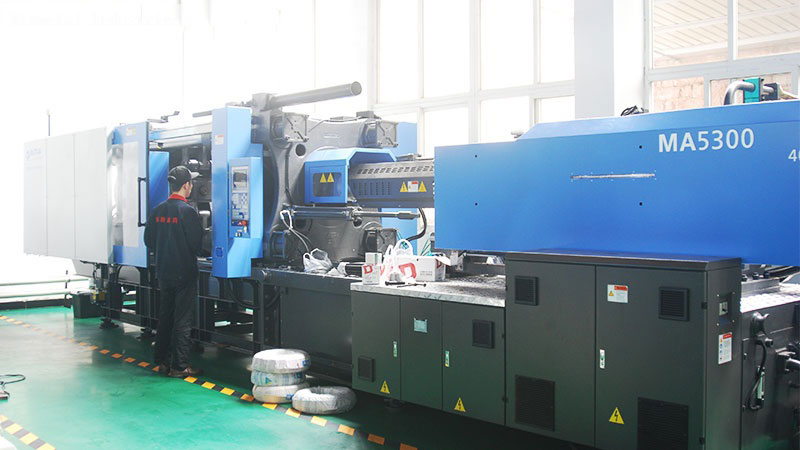
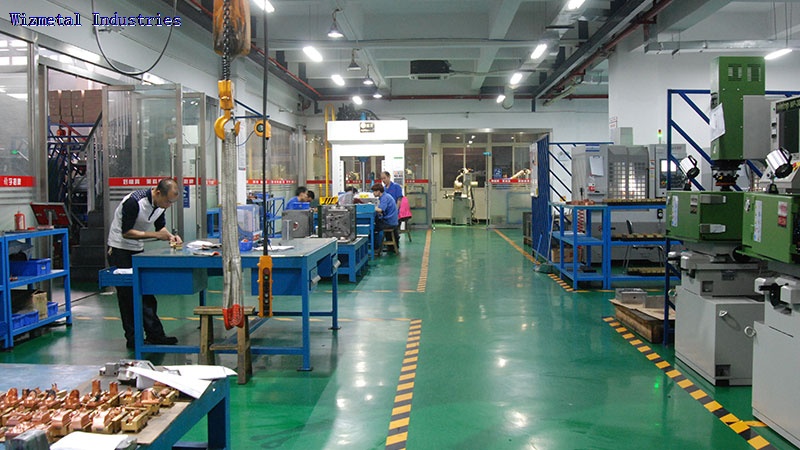
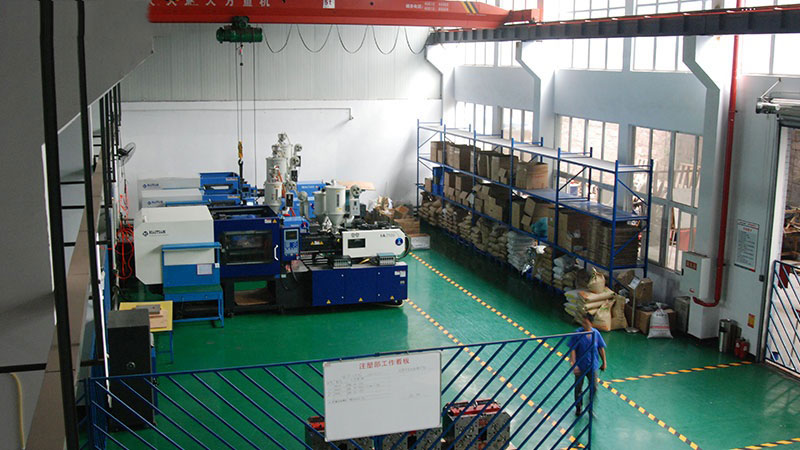
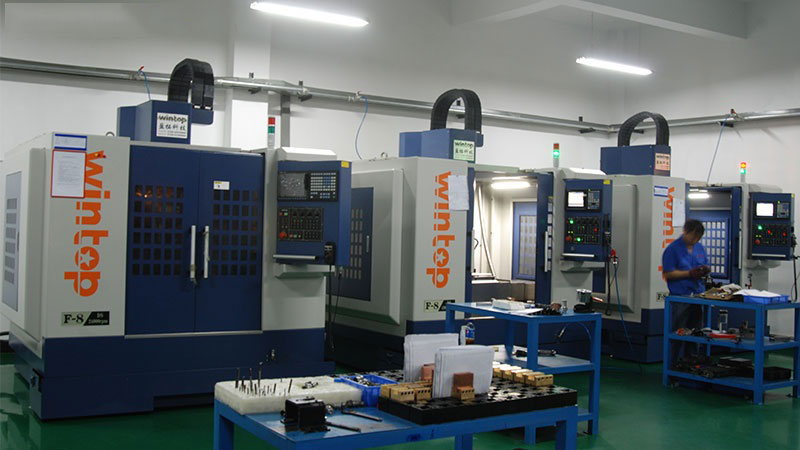
The foundation of a successful project lies in selecting the right partner, not just the lowest bidder. Supplier verification is the most critical step in your procurement process. Begin with a thorough technical assessment. A competent China mold factory should have a dedicated engineering team capable of conducting Design for Manufacturability (DFM) analysis. Before any metal is cut, they should provide detailed feedback on your part design, suggesting improvements for moldability, material flow, and ejection that can save cost and prevent defects. Furthermore, insist on transparency regarding their core competencies. Do they specialize in the type of custom mold you require, such as high-precision medical molds, multi-cavity systems, or large automotive tools? Request a detailed company profile, list of primary machinery (e.g., CNC, EDM, CMM), and case studies from clients in your industry. A video tour of their facility, now a standard request, can offer invaluable insights into their organization and capabilities.
Once a potential supplier passes initial vetting, mastering the quotation and negotiation phase is essential. A professional quotation for an injection mold should be exhaustive, not a single bottom-line figure. It must itemize costs for mold base materials, core and cavity steel grade, number of cavities, surface finish (SPI/VDI standards), hot runner system brand, and all ancillary costs like logistics and documentation. This transparency allows for informed negotiation. In 2026, discussions are moving beyond unit price to focus on Total Cost of Ownership (TCO). This includes the mold’s lifespan, maintenance schedule, and the consistency of the parts it produces. Clearly define payment terms; a standard secure structure might be 30-40% deposit, 40-50% after T1 sample approval, and the balance before shipment. Never agree to pay the full amount upfront. Also, explicitly state ownership of all design and tooling intellectual property in the purchase contract.
Proactive quality control is non-negotiable when managing production from afar. Your agreement must outline a rigorous QC protocol at every stage. This starts with First Article Inspection (FAI) using a Coordinate Measuring Machine (CMM) report on the first-off molded parts, comparing them directly to your 3D CAD model. Establish clear Acceptable Quality Level (AQL) standards for sample batches. For ongoing assurance, specify which critical dimensions require regular inspection reports during mass production. If possible, engage a reputable third-party inspection service located near the factory for impartial Pre-Shipment Inspections (PSI). They can verify mold construction, part quality, and packing before the tool leaves the country. Effective communication during this phase is vital. Demand regular updates with photos and videos—not just of finished parts, but of the mold itself during key milestones like steel milling, texture application, and assembly.
The journey does not end when the mold is shipped. A reliable partner views the project as a long-term relationship. Discuss post-sales support and maintenance upfront. Will the China mold factory provide a comprehensive mold manual, including 2D drawings, maintenance instructions, and a list of spare components? Understand their policy on warranty, which typically covers workmanship and material defects for 12-24 months. Equally important is their responsiveness to troubleshooting. If you encounter part defects during your own production runs, can they provide remote support to diagnose issues related to gate design, cooling, or venting? For future projects, having a proven partner who understands your quality standards and communication style is an immense strategic advantage, streamlining the procurement process for subsequent custom mold projects.
Successfully importing a custom mold from China in 2026 demands a shift from a simple purchasing transaction to a managed technical partnership. By implementing a disciplined approach—rooted in thorough supplier verification, transparent procurement practices, stringent quality control, and planning for long-term support—you mitigate risk and maximize value. The goal is to transform geographical distance into a strategic benefit, leveraging the specialized skill and cost-effectiveness of a professional China mold factory. With this guide as your framework, you are equipped to make informed decisions, foster productive collaborations, and secure the high-quality injection mold that will drive your product’s success for years to come.
Work With Us
As a professional China mold manufacturer, we provide one-stop mold solution for overseas buyers.
📞 Phone: +86-18605944639
💬 WhatsApp: +8618605944639
🌐 Website: bestmoldworks.com
📧 Email: [email protected]