Blog

  • silicone mold factory: Professional Buying Guide 2026

    For overseas buyers, importing molds from China represents a significant strategic advantage, offering access to advanced manufacturing capabilities and competitive costs. However, navigating the landscape to find a reliable partner can be complex. This guide is designed to cut through the noise and provide a clear, actionable roadmap for 2024 and beyond. We will focus on the critical steps—from initial supplier identification to final quality assurance—ensuring your procurement process for silicone, injection, and other specialized molds is efficient, transparent, and successful. Whether you are a seasoned importer or embarking on your first project, this professional buying guide will equip you with the knowledge to make informed decisions and build profitable, long-term relationships with a top-tier **silicone mold factory**.

    Mastering Supplier Discovery and Verification

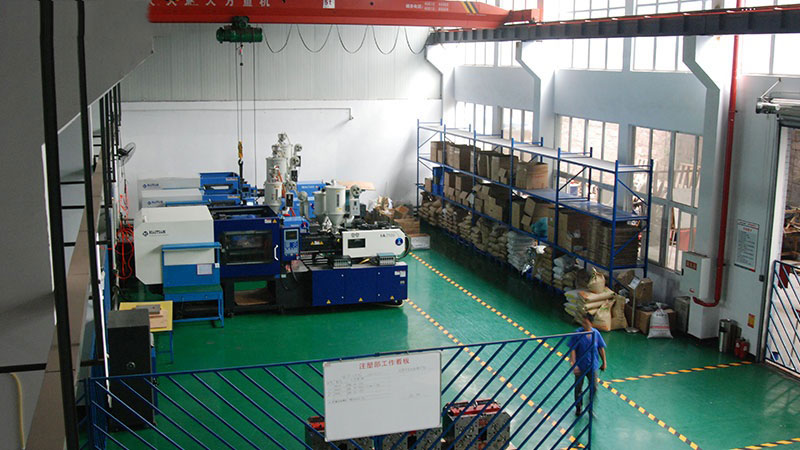
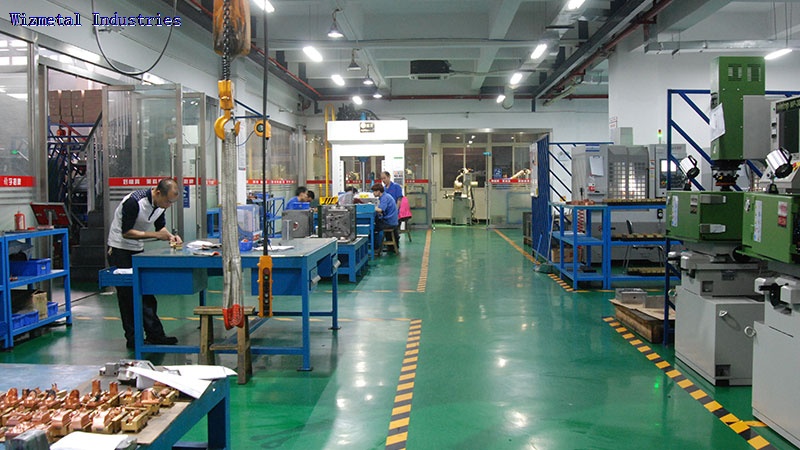
    The foundation of a successful import project is a thoroughly vetted supplier. Begin your search on established B2B platforms like Alibaba, Made-in-China, and Global Sources, using precise keywords such as “silicone mold factory” and “China mold factory.” However, platform listings are just the starting point. True verification begins with due diligence. Always request a business license (营业执照) and verify it through official channels. Insist on a virtual or, ideally, an in-person factory audit. Key things to observe during an audit include the organization of the production floor, the age and maintenance of machinery, quality control stations, and the engineering team’s workspace. Furthermore, check for relevant industry certifications, which demonstrate a commitment to standardized processes. This step filters out trading companies masquerading as manufacturers and identifies partners with genuine production capability.

    The Critical Role of Technical Communication and Prototyping

    Miscommunication in technical specifications is the primary cause of project failure. To mitigate this, your initial communication must be exceptionally detailed. Provide comprehensive 2D drawings (with GD&T where applicable) and 3D CAD files (STEP or IGS format). Clearly specify the mold material (e.g., P20, H13 steel for injection molds, specific grade aluminum for silicone molds), cavity surface finish, expected lifespan (number of shots), and the intended production material for the final parts. For a **silicone mold factory**, details like Shore hardness, platinum or tin-cure systems, and intended casting material are vital. Never proceed to mass production without a prototyping phase. A Test Mold (T1) sample is non-negotiable. This sample allows you to verify dimensional accuracy, functionality, and material performance before the full investment in the production mold is locked in. Treat prototyping as an iterative, collaborative process with your chosen China mold factory.

    Implementing a Robust Quality Control Framework

    Quality control cannot be an afterthought; it must be integrated into your procurement contract. Define clear, measurable Acceptable Quality Limits (AQL) for part dimensions, appearance, and function. Specify the inspection equipment to be used (CMM, optical comparators, etc.). For overseas buyers, engaging a trusted third-party quality inspection service in China is a highly recommended strategy. These inspectors act as your eyes on the ground, conducting Pre-Production Inspections (PPI) to check raw materials, During Production Inspections (DPI) to catch issues early, and Final Random Inspections (FRI) before shipment. This layered approach provides objective assurance and prevents costly defects from reaching your facility. A professional supplier will understand and respect this process as a standard part of doing business with international clients.

    Navigating Logistics, IP Protection, and Payment Terms

    The final stages of your procurement involve protecting your interests and ensuring smooth delivery. For Intellectual Property (IP) protection, a well-drafted Non-Disclosure Agreement (NDA) and a product-specific confidentiality clause in your contract are essential. While enforcement can be challenging, these documents establish a legal framework and demonstrate seriousness. Regarding payment terms, avoid extreme arrangements. A 100% upfront payment is risky, while 100% after shipment offers you no leverage. Standard and secure terms include a 30-50% deposit with the balance paid against copy of Bill of Lading or before shipment. Use secure payment methods like Letter of Credit (L/C) or escrow services through platforms. Finally, clarify Incoterms 2020 with your supplier—typically FOB (Free On Board) is preferred, as it gives you control over the main shipping freight and insurance.

    Building a Partnership for Long-Term Success

    Viewing your supplier as a mere order fulfiller is a short-sighted strategy. The most successful importers treat their **China mold factory** as a strategic partner. Clear, consistent, and respectful communication builds trust. Provide constructive feedback and be reasonable with requests. When issues arise—as they sometimes will—focus on collaborative problem-solving rather than assigning blame. A reliable partner will invest in process improvements, offer design for manufacturability (DFM) advice to save you cost, and proactively communicate production status. This relationship-based approach leads to priority service, better pricing on repeat orders, and a supply chain you can depend on for years to come.

    Conclusion

    Importing molds from China in 2026 demands a professional, process-driven approach. By rigorously verifying suppliers, mastering technical communication, implementing staged quality control, safeguarding your commercial terms, and fostering a partnership mindset, you transform a complex procurement challenge into a competitive advantage. The Chinese manufacturing sector continues to evolve, with leading factories offering world-class engineering and precision. Your diligence in selecting and managing the right partner is the key to unlocking this value. Use this guide as your framework to navigate the market with confidence, ensuring that your next project with a Chinese silicone or injection mold supplier is marked by quality, reliability, and mutual success.

    Work With Us

    As a professional China mold manufacturer, we provide one-stop mold solution for overseas buyers.
    📞 Phone: +86-18605944639
    💬 WhatsApp: +8618605944639
    🌐 Website: bestmoldworks.com
    📧 Email: [email protected]
  • custom molded products shanghai: Best Suppliers & Qua 2026

    For overseas buyers, sourcing custom molded products from Shanghai represents a significant strategic advantage, offering access to world-class manufacturing capabilities, advanced engineering, and competitive costs. However, navigating the vast industrial landscape of China to find a reliable partner can be daunting. The challenge isn’t finding a manufacturer; it’s identifying a China mold factory that consistently delivers on precision, quality, and communication. This guide cuts through the noise, providing a practical, actionable framework for your procurement process to secure top-tier custom molded products from Shanghai in 2026 and beyond.

    The cornerstone of a successful import project is rigorous supplier verification. Moving beyond a simple online directory search is non-negotiable. Start by shortlisting companies with demonstrable expertise in your specific industry, whether automotive, medical, consumer electronics, or packaging. Scrutinize their portfolio for projects of similar complexity. The next critical step is to initiate a technical dialogue. Present a preliminary design or concept and request a Design for Manufacturability (DFM) analysis. A competent supplier will proactively suggest optimizations for the injection mold process, such as wall thickness adjustments, gate locations, or material recommendations to enhance durability and reduce costs. This initial interaction is a powerful filter; a factory focused on engineering collaboration is far more valuable than one that only quotes on provided drawings without feedback.

    Once a potential partner passes the initial vetting, deep due diligence on their quality control infrastructure is paramount. For custom molded products, Shanghai factories vary greatly in their commitment to quality systems. Insist on evidence of standardized processes. Key certifications like ISO 9001 are a baseline, but for specialized applications, IATF 16949 (automotive) or ISO 13485 (medical) are essential. Probe into their in-house measurement capabilities: do they have Coordinate Measuring Machines (CMM), optical comparators, and skilled technicians to use them? Ask for their First Article Inspection (FAI) and Production Part Approval Process (PPAP) documentation templates. Understanding their procedure for controlling critical dimensions of the injection mold and the final parts will prevent costly defects and delays after mass production begins.

    Effective procurement from China hinges on mastering the prototyping and sampling phase. Treat this stage not as a formality, but as the most critical risk-mitigation step. A reputable China mold factory will provide a detailed mold development timeline, including design, machining, trial, and sampling. Always insist on witnessing the Tooling Trial (T1) either in person or via live video stream. This allows you to see the first shots from the mold, assess part quality in real-time, and approve necessary adjustments before the mold is finalized. Request multiple samples from the approved mold for rigorous functional and durability testing in your own market. The cost and time invested here are insignificant compared to the expense of modifying a finished mold or dealing with non-conforming bulk shipments.

    Navigating logistics, communication, and intellectual property (IP) protection completes the foundation for a sustainable partnership. Clearly define Incoterms (e.g., FOB Shanghai) to delineate responsibilities and costs. Engage a reputable third-party inspection company for pre-shipment inspections during initial production runs. This provides an unbiased assessment of product quality and packaging. Culturally, establish clear, documented communication protocols. Assign a single point of contact on both sides and use shared project management tools to track progress. Regarding IP, while Chinese law offers protection, practical steps are more effective. Sign a comprehensive NNN Agreement (Non-Use, Non-Disclosure, Non-Circumvention) before sharing any technical data. For critical projects, consider staging the mold development so the final cavity and core machining occurs after your approval of earlier stages.

    Securing a reliable source for custom molded products in Shanghai is a systematic process of verification, collaboration, and controlled scaling. By focusing on engineering-driven suppliers, enforcing stringent quality control audits, leveraging the prototyping phase to its fullest, and structuring clear commercial terms, overseas buyers can transform the perceived risks of importing into a durable competitive advantage. The landscape in 2026 will favor informed, diligent partners who build relationships based on transparency and technical excellence. Your success in sourcing hinges not on finding the cheapest option, but on identifying the most capable and transparent China mold factory aligned with your long-term vision for quality and innovation.

    Work With Us

    As a professional China mold manufacturer, we provide one-stop mold solution for overseas buyers.
    📞 Phone: +86-18605944639
    💬 WhatsApp: +8618605944639
    🌐 Website: bestmoldworks.com
    📧 Email: [email protected]
  • injection molding machine manufacturer in china: Compl 2026

    For overseas buyers, sourcing an injection molding machine manufacturer in China represents a significant strategic decision. The potential for cost savings, access to advanced manufacturing technology, and scalable production capacity is immense. However, navigating this complex landscape in 2026 requires a modern, informed approach that moves beyond simple price comparison. The market is evolving rapidly, with a sharp divide between low-cost, commoditized producers and high-tech, solution-oriented manufacturers. This guide is designed to provide actionable, practical steps to help you identify, verify, and partner with a reliable Chinese supplier, ensuring your investment in capital equipment delivers long-term value and supports your production goals.

    Conducting Deep Supplier Verification Beyond the Surface

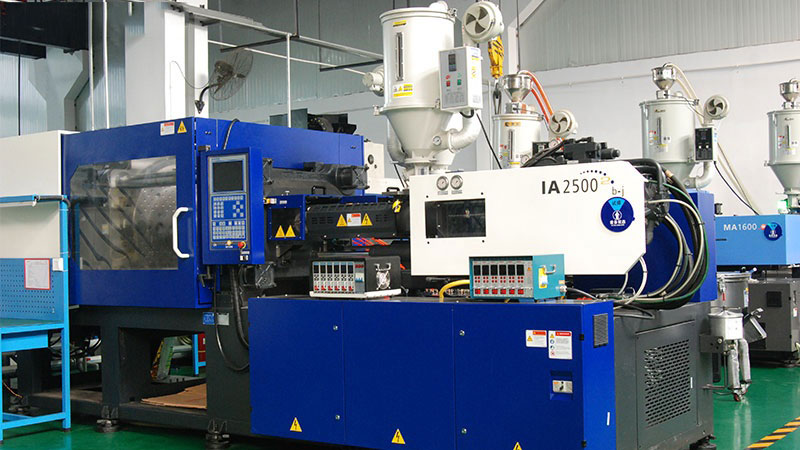
    The first and most critical step is moving past Alibaba listings and glossy brochures. In 2024, supplier verification is a multi-layered process. Start with a comprehensive background check using Chinese business databases like Tianyancha or Qichacha to confirm legal registration, registered capital, and any historical litigation. This objective data is crucial. Next, leverage video conferencing to conduct virtual factory tours. Do not accept pre-recorded marketing videos; request a live walkthrough of the production floor, assembly areas, and quality control stations. Pay close attention to the organization, maintenance of machinery, and the technology in use. Furthermore, insist on speaking directly with their engineering team, not just sales representatives. Their ability to understand your technical specifications, discuss clamp force calculations, energy efficiency (like all-electric vs. hybrid), and control system integration (such as Fanuc or Siemens) is a true indicator of their expertise as a serious injection molding machine manufacturer in China.

    Mastering Technical Specifications and Total Cost of Ownership

    Your focus must shift from just the machine price to a detailed analysis of technical specifications and Total Cost of Ownership. Clearly define your requirements: clamp force tonnage, shot volume, platen size, distance between tie bars, and injection rate. Specify your preferred control system and any automation readiness interfaces, which are paramount for Industry 4.0 integration. In 2026, energy consumption is a major operational cost factor. Evaluate the efficiency of servo hydraulic systems versus all-electric machines for your specific production cycles. Request detailed data on power consumption under load. Additionally, calculate TCO by factoring in the cost of spare parts, local service support, warranty terms, and expected machine lifespan. A slightly higher initial investment in a robust machine from a reputable China mold factory partner often results in dramatically lower costs per part and less downtime over a decade of operation.

    Implementing a Rigorous Pre-Shipment Quality Control Protocol

    Quality control cannot be an afterthought; it must be contractually defined and executed before the machine leaves the factory. Engage a reputable third-party inspection company familiar with heavy industrial equipment to perform a Pre-Shipment Inspection. This PSI should include a comprehensive Factory Acceptance Test. The FAT must verify that the machine performs to all agreed-upon specifications: cycle time, repeatability, pressure consistency, and safety system functionality. The inspection should also cover build quality: check the machining of the platen and tie bars, the condition of the screw and barrel, hydraulic system integrity, and electrical cabinet wiring standards. Document every step with photos and videos. Clearly outline the resolution process for any non-conformities before shipment. This proactive step protects your capital and prevents costly disputes and delays upon arrival at your facility.

    Structuring Contracts and Navigating Logistics for Heavy Equipment

    A clear, detailed contract is your best risk mitigation tool. The contract must go beyond price and delivery terms. It should explicitly list all technical specifications, warranty provisions covering parts and labor, payment schedule tied to milestones (e.g., 30% deposit, 40% upon pre-shipment inspection approval, 30% before shipment), and penalties for delays. Crucially, define the Incoterms 2020 precisely. For heavy machinery, FOB is common, but understand exactly what it includes. Who is responsible for export customs clearance, terminal handling fees, and loading onto the vessel? Post-shipping, you must plan for heavy-duty logistics: securing the machine properly in a container or on a flat rack, marine insurance, import customs clearance in your country (which may require specific certifications), and final delivery to your plant with access for unloading. Partner with a freight forwarder experienced in heavy machinery from China.

    Planning for Installation, Training, and Long-Term Support

    The relationship with your supplier begins when the machine arrives, not ends. A reliable partner will provide detailed installation manuals and foundation drawings well in advance. Discuss their support for installation: will they send an engineer, or do they have a recommended local technician? On-site training for your operators and maintenance staff is non-negotiable. Ensure the contract includes comprehensive training on operation, routine maintenance, and basic troubleshooting. Finally, establish a clear long-term support plan. What is the process for ordering spare parts? What is the typical lead time for critical components like servo motors or PLCs? Do they offer remote diagnostic support? Understanding their after-sales service structure is a key differentiator between a mere vendor and a true long-term partner in your production success.

    Conclusion

    Successfully importing an injection molding machine from China in 2026 demands a disciplined, professional approach centered on due diligence and partnership. By executing thorough supplier verification, focusing on technical specifications and TCO, enforcing stringent pre-shipment quality control, crafting detailed contracts, and planning for comprehensive support, you transform a complex procurement challenge into a strategic advantage. The goal is to move beyond a simple transaction and build a collaborative relationship with a capable injection molding machine manufacturer in China. This partnership will not only provide you with reliable, efficient equipment but also become a cornerstone of your manufacturing resilience and competitiveness for years to come. Start your journey with these actionable steps to ensure your investment is sound, secure, and productive.

    Work With Us

    As a professional China mold manufacturer, we provide one-stop mold solution for overseas buyers.
    📞 Phone: +86-18605944639
    💬 WhatsApp: +8618605944639
    🌐 Website: bestmoldworks.com
    📧 Email: [email protected]
  • custom molds for plastic: Complete Procurement Guide 2026

    For overseas buyers, sourcing custom molds for plastic represents a strategic decision to leverage world-class manufacturing capabilities and significant cost advantages. China remains the global epicenter for mold manufacturing, offering unparalleled expertise, scale, and technological advancement. However, navigating this complex landscape requires a methodical approach to mitigate risks and ensure a successful partnership. This 2026 guide is designed to provide you with actionable, professional insights for procuring high-quality injection molds from China, focusing on practical steps from supplier selection to final delivery.

    The foundation of a successful procurement project lies in meticulous supplier verification. The term “China mold factory” encompasses a vast spectrum, from highly automated, technologically advanced facilities to smaller, less equipped workshops. Your first critical task is to move beyond Alibaba listings and conduct deep due diligence. Request detailed company profiles that include years in operation, primary industries served, and client testimonials, preferably from international companies. Insist on a virtual or, ideally, an in-person factory audit. During this audit, assess their engineering team’s expertise, the condition and age of their CNC, EDM, and milling equipment, and their quality control laboratory. Verify certifications not as mere paperwork, but as indicators of a systematic approach; ISO 9001 is a baseline, while specific automotive (IATF 16949) or medical certifications are crucial for those industries. This stage is about validating their capability to deliver your specific injection mold, not just a generic product.

    Once a qualified supplier is shortlisted, the procurement process must be governed by crystal-clear technical and commercial communication. The single greatest source of project failure is ambiguous specifications. Provide a comprehensive mold design specification document. This should include part 3D files (STEP or IGES), material specifications (e.g., ABS, PP), expected annual volumes, cavity requirements, and tolerance standards. Clearly state your expectations for mold life (e.g., 500,000 shots) and maintenance. The commercial agreement must be equally precise. Define a milestone-based payment schedule (e.g., 30% upon order, 40% after T1 sample approval, 30% before shipment). Crucially, detail all costs: mold cost, sample cost, shipping, and insurance. Ensure intellectual property rights are assigned to you in a formal contract, and use secure payment methods like Letters of Credit (L/C) or escrow services for large orders to protect both parties.

    Proactive and structured quality control is non-negotiable and must be integrated throughout the manufacturing journey, not applied as a final inspection. Engage your China mold factory to establish a Quality Control Plan (QCP) at the project’s outset. Key inspection points typically include a steel material check, a pre-hardness inspection of the mold base, and a critical first article inspection (FAI) after the initial T1 samples are produced. For high-value projects, hiring a reputable third-party inspection company in China to conduct a Data Dimension Report (DDR) on the first shots is a wise investment. They will measure critical part dimensions against your CAD data and provide an objective report. Furthermore, discuss and agree upon the sample approval process. You should receive not only sample parts but also a complete mold trial report detailing injection parameters, cycle times, and any issues encountered. This documentation is vital for troubleshooting during mass production.

    The final phase encompasses logistics, knowledge transfer, and establishing a framework for long-term collaboration. Prior to shipment, confirm the mold’s packaging—it should be crated in a waterproof, shock-absorbent wooden case with desiccant bags to prevent rust during transit. Decide on shipping terms (FOB, CIF, DAP) with your supplier and ensure all customs documentation, including a detailed commercial invoice and packing list, is accurate to avoid port delays. Upon receipt, conduct an immediate inspection for any shipping damage. The relationship with your supplier should extend beyond delivery. A reliable partner will provide a comprehensive mold manual, including maintenance schedules, spare parts list, and assembly drawings. Discuss their policy for design modifications or future production runs. Building this collaborative relationship transforms a one-time procurement into a valuable strategic supply chain asset.

    Successfully importing custom molds for plastic from China in 2026 demands a blend of rigorous verification, precise communication, embedded quality control, and strategic partnership management. The cost savings and technical capabilities available are substantial, but they are best accessed by informed and diligent buyers. By treating your chosen China mold factory as a strategic engineering partner rather than just a vendor, you unlock consistent quality, innovation, and long-term value. This structured approach to procurement will position your business to capitalize on China’s manufacturing excellence while safeguarding your investment and ensuring the seamless production of your plastic components for years to come.

    Work With Us

    As a professional China mold manufacturer, we provide one-stop mold solution for overseas buyers.
    📞 Phone: +86-18605944639
    💬 WhatsApp: +8618605944639
    🌐 Website: bestmoldworks.com
    📧 Email: [email protected]
  • china plastic mould manufacturer: Complete Procurement 2026

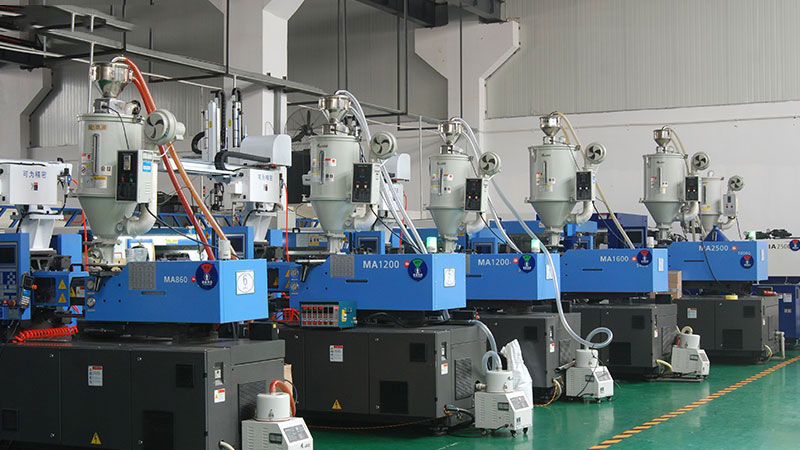
    For global businesses, sourcing plastic injection molds from China remains a cornerstone strategy for achieving competitive advantage. However, the landscape is evolving. The year 2026 is not about finding the cheapest supplier, but about building a strategic, resilient, and quality-driven supply chain. This guide cuts through the noise to provide overseas buyers with a complete, actionable framework for procuring from a **china plastic mould manufacturer**. We move beyond basic directories to focus on verification, communication, and risk mitigation, ensuring your project’s success from concept to production.

    The foundation of a successful import project is selecting the right partner. The initial search will yield hundreds of options, making effective supplier verification non-negotiable. Start with a deep dive into the **China mold factory**’s specialization. A manufacturer proficient in small, precision medical components may not be ideal for large automotive parts. Scrutinize their portfolio for projects similar in complexity, material, and volume to yours. The verification process must include a virtual or, ideally, physical audit. Request live video tours of their facility—focus on their machining centers (CNC, EDM), mold trial areas, and quality control labs. Demand documented evidence of their process: a detailed project timeline, a clear quality control plan, and a list of past international clients. Contact these references directly to inquire about communication, problem-solving, and adherence to schedules. This due diligence transforms a list of potential vendors into a shortlist of qualified partners.

    With a verified shortlist, the next critical phase is technical alignment and quotation clarity. A precise, comprehensive Request for Quotation (RFQ) package is your most powerful tool. This must extend beyond a 3D model and include material specifications (preferred resin grade), expected annual volumes, part critical dimensions and tolerances, surface finish requirements (SPI standards), and a detailed mold specification. This should cover mold base standards (LKM, HASCO, or DME), hot runner system preferences, cooling line layout, ejection mechanisms, and expected cycle time. Providing this level of detail forces technical clarity and ensures all quotations are based on identical parameters, allowing for an apples-to-apples cost comparison. A professional **china plastic mould manufacturer** will review your RFQ and engage in technical feedback, suggesting design for manufacturability (DFM) improvements that can reduce cost and enhance mold longevity. Their responsiveness and engineering input at this stage are strong indicators of their expertise and collaborative approach.

    The contract and payment terms stage is where risk is formally managed. Move away from vague agreements. Your purchase order or contract must explicitly detail the technical specifications, milestone deliverables, acceptance criteria, and intellectual property (IP) protections. Implement a staged payment schedule tied to objective milestones—for example, 30% upon order confirmation, 40% upon first article inspection (FAI) of the mold trial samples, and 30% upon final approval and shipment. This aligns interests and provides leverage. Crucially, define the sample approval process. Specify how many trial shots are included, who pays for the resin, and the protocol for submitting and approving sample parts. Include provisions for handling design changes after the order is placed, as these are a common source of dispute and delay. Clear contractual frameworks protect both parties and set the stage for a professional relationship.

    Active quality control throughout the manufacturing process is what separates successful procurements from costly failures. Do not adopt a “black box” approach where you only see the final product. Insist on periodic progress reports with photos or videos of key stages: material certificates for the mold steel, machining of the core and cavity, electrode fabrication, and assembly. The most critical checkpoint is the initial mold trial (T1). Whenever possible, be present for this trial, either in person or via a live-streamed session. Observe the molding process, inspect the first-shot parts, and review the technician’s data on filling, cooling, and cycle time. This is the moment to identify and resolve issues like sink marks, warpage, or ejection problems. Partner with a third-party inspection company for a pre-shipment audit if you cannot attend. They will verify dimensional accuracy, material conformity, and assembly integrity against your agreed specifications, providing an unbiased report before the balance payment is released.

    Finally, view procurement as the beginning of a lifecycle partnership. A reliable **China mold factory** is an extension of your engineering team. Discuss post-sales support upfront. What is their policy on mold modifications and repairs? Do they provide maintenance recommendations? Will they store your mold safely for future production runs? Understanding their long-term service capability is essential for total cost of ownership. Furthermore, assess their scalability. Can they support your production needs, whether you require 10,000 or 10 million parts annually? Inquire about their injection molding production capacity or their partnerships with nearby molding plants to ensure a seamless transition from mold procurement to part manufacturing.

    In conclusion, the complete procurement journey for 2026 demands a shift from transactional buying to strategic partnership. It is a systematic process built on rigorous supplier verification, crystal-clear technical communication, risk-averse contracting, proactive quality control, and a vision for long-term collaboration. By mastering these phases, overseas buyers can confidently leverage the immense technical skill and value offered by professional Chinese mold manufacturers. The goal is no longer just to import a mold, but to secure a reliable, high-quality manufacturing asset that drives your product’s success in the global market for years to come.

    Work With Us

    As a professional China mold manufacturer, we provide one-stop mold solution for overseas buyers.
    📞 Phone: +86-18605944639
    💬 WhatsApp: +8618605944639
    🌐 Website: bestmoldworks.com
    📧 Email: [email protected]
  • China plastic injection mold Manufacturerturer: Ultimat 2026

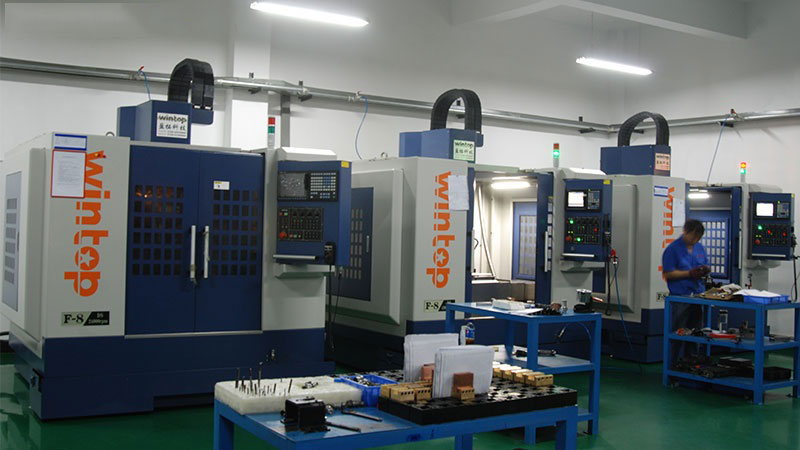
    For overseas businesses, sourcing a reliable China plastic injection mold manufacturer represents one of the most significant leverage points for product development, cost efficiency, and market competitiveness. The landscape is vast, sophisticated, and constantly evolving. As we look toward 2026, the strategies for successful procurement must move beyond simple price comparison to a nuanced approach centered on partnership, verification, and integrated quality control. This guide cuts through the noise to provide actionable, professional insights for navigating this critical process, ensuring you solve real problems and secure a supply chain asset, not just a commodity.

    The foundation of a successful import project is identifying and verifying the right partner. The term “China mold factory” encompasses a massive spectrum, from small workshops to fully integrated, automated facilities. Your first task is alignment. Clearly define your project’s technical requirements, volume expectations, and quality benchmarks before you begin searching. Utilize B2B platforms like Alibaba and Made-in-China as starting points, but treat them as directories, not vetting agencies. Prioritize suppliers with detailed process documentation, client testimonials from your region, and transparent communication. Crucially, initiate video calls to conduct virtual factory tours. In 2026, a reputable China plastic injection mold manufacturer will expect and facilitate this. Observe their equipment, workshop organization, and engineering team. Ask specific questions about their experience with your material (e.g., PP, ABS, engineering plastics) and product type. This step filters out trading companies and unqualified shops, focusing your efforts on genuine manufacturers capable of meeting your specifications.

    Once a shortlist is established, a rigorous technical and commercial procurement process begins. The request for quotation (RFQ) you send must be exceptionally detailed. Include not just part drawings, but a comprehensive technical data sheet covering material grade, expected annual volumes, cosmetic requirements (e.g., SPI finish standards), tolerance levels, and desired mold life (e.g., 500,000 shots). This clarity prevents misunderstandings and allows for accurate, comparable quotes. During evaluation, dissect the quotation. A professional breakdown will itemize costs for mold design, mold base, cavity and core steel (state the brand, like ASSAB or Daido), standard components, trials, and post-processing. Be wary of suspiciously low bids; they often indicate subpar steel, outdated machining, or hidden costs. Negotiate from a position of partnership, focusing on value—such as the supplier’s proposal for a more efficient cooling layout that reduces cycle time—rather than just price reduction. A trustworthy partner will explain cost drivers and offer solutions.

    The phase between order placement and first article approval is where risk is highest and proactive management is non-negotiable. Insist on a staged project timeline with clear milestones: design review, mold fabrication completion, and first trial. The design review is your most critical control point. Demand a thorough mold flow analysis report. This simulation predicts how plastic will fill the cavity, identifying potential defects like weld lines, air traps, or sink marks before steel is cut. A competent China mold factory will provide this analysis and discuss solutions. Furthermore, implement a structured quality control protocol. For critical milestones, especially the initial Trial Run Report (T1), consider hiring a local third-party inspection agency. They can witness the trial, check part dimensions against your CAD data using CMMs, and validate cosmetic standards on-site. This objective verification provides immense peace of mind and creates a factual basis for any necessary mold adjustments, ensuring the final tool meets all agreed parameters before shipment.

    Finalizing the project and ensuring long-term success extends beyond mold delivery. Comprehensive documentation is essential. Upon completion, you must receive not just the physical mold, but a complete mold package. This includes final 2D and 3D CAD files, the mold flow analysis report, detailed maintenance instructions, and a list of spare components. This package is vital for future repairs or duplicating the tool with another supplier. Discuss post-sales support terms upfront. What is the warranty period on workmanship and materials? How will they handle a critical breakdown? Establishing a protocol for technical support and spare part procurement is crucial. For ongoing production, whether at their facility or after transferring the mold to your local injection molder, clear communication channels must remain open. A true partner will be interested in the mold’s performance over its lifespan, solidifying a relationship for future projects.

    In conclusion, importing an injection mold from China in 2026 is a strategic endeavor that rewards diligence, technical understanding, and a partnership mindset. The journey from sourcing to sustained production hinges on meticulous supplier verification, a detailed and collaborative procurement process, relentless quality control at critical stages, and securing full project documentation and support. By following these actionable steps, you transform the challenge of distance and complexity into a formidable competitive advantage. You secure not just a tool, but a relationship with a capable China plastic injection mold manufacturer that can drive innovation, cost-efficiency, and product quality for years to come. The ultimate goal is a seamless integration of their manufacturing expertise into your product development cycle, enabling you to bring superior products to your market with confidence and agility.

    Work With Us

    As a professional China mold manufacturer, we provide one-stop mold solution for overseas buyers.
    📞 Phone: +86-18605944639
    💬 WhatsApp: +8618605944639
    🌐 Website: bestmoldworks.com
    📧 Email: [email protected]
  • Custom molds for candles: Complete Procurement Guide 2026

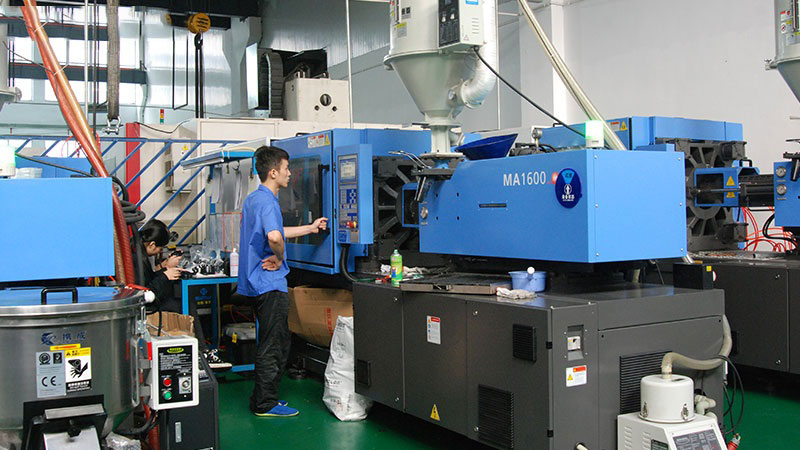
    For overseas buyers and brands, the allure of creating unique, market-differentiating candle products is powerful. The key to unlocking this potential lies in the precision and creativity of your tooling. Sourcing custom molds for candles from China remains a strategically sound decision, offering unparalleled expertise and cost-effectiveness. However, the landscape is nuanced. This 2026 procurement guide is designed to cut through the complexity, providing a professional, step-by-step framework to navigate the process, mitigate risks, and secure high-quality molds that transform your designs into bestselling products.

    The journey begins long before you contact a single supplier. Precise definition is your strongest leverage. Start by finalizing your candle design with detailed CAD drawings or highly specific 3D models. Clearly define the mold material—typically aluminum for its excellent thermal conductivity and fine detail reproduction, or steel for ultra-long production runs. Crucially, specify your intended production material: paraffin wax, soy wax, palm wax, or blends with additives, as each has different shrinkage rates and release characteristics that the mold design must accommodate. Furthermore, decide on your required output. Are you looking for a single prototype mold, a low-volume batch tool, or a high-cavitation injection mold designed for millions of cycles? This clarity not only accelerates the quoting process but immediately identifies China mold factory partners with the appropriate technical capability and scale.

    With specifications in hand, the critical phase of supplier verification commences. Casting a wide net online is a start, but deep due diligence is non-negotiable. Prioritize manufacturers with a proven portfolio in candle molds or similar consumer goods, not general-purpose workshops. Request and scrutinize case studies, and insist on virtual or, if possible, in-person factory audits. Key verification points include their engineering team’s expertise in draft angles and cooling channel design for wax, the quality of their machining centers, and their post-processing capabilities like polishing or sandblasting for desired finish. Communication proficiency is part of quality control; ensure they have technical staff who can communicate effectively in English. Utilize third-party inspection services for an unbiased assessment of their operations. Remember, a reliable partner understands that the injection mold for wax requires specific tolerances and surface finishes distinct from plastic injection molding.

    The technical and commercial negotiation stage is where partnerships are solidified. A professional China mold factory will provide a detailed breakdown of their quote, encompassing design, material, machining, finishing, and testing. Do not automatically choose the lowest bid; significant undercutting often signals corner-cutting on material quality or craftsmanship. Discuss and agree on a milestone-based payment schedule—a common structure is 30-50% deposit, 40-60% before shipment, and sometimes a 10% retention after sample approval. The most critical document is the Technical Agreement. This should annex all your specifications, approved drawings, material certifications for the mold metal, and most importantly, the sample approval process. Stipulate that the mold will not be shipped until sample candles cast from it meet your predefined standards for dimensional accuracy, detail fidelity, and ease of demolding.

    Proactive quality control is your primary risk mitigation tool. Never approve a mold based on pictures of the steel alone. Insist on a First Article Inspection (FAI) using samples produced from the finished mold. These samples should be measured against your original drawings to verify critical dimensions. Perform functional tests: check the demolding process for ease and consistency, assess the surface finish of the cast candle for flaws, and verify the assembly if it’s a multi-part mold. Many reputable suppliers will provide a video of the sampling process. For high-value orders, consider engaging a local third-party QC agency to conduct the sample inspection at the factory. This step, though an added cost, prevents the vastly greater expense and delay of receiving a non-conforming tool. Effective procurement hinges on this validation before final payment and shipment.

    Logistics and long-term partnership management conclude the procurement cycle. Molds are high-value, heavy, and precision items. Work with your supplier to ensure robust packaging—often wooden crates with foam immobilization—to prevent transit damage. Clarify incoterms (FOB, CIF, etc.) and ensure all shipping documents are precise. Upon receipt, conduct an immediate inspection. A trustworthy China mold factory will also provide clear maintenance guidelines to prolong the life of your tool. Furthermore, discuss their policy on mold modifications, repairs, and storage. Building a collaborative relationship turns a one-time transaction into a strategic asset, enabling you to iterate designs and scale production seamlessly.

    In conclusion, procuring custom molds for candles from China in 2026 demands a blend of meticulous preparation, rigorous verification, and structured quality assurance. The process, from concept to sample approval, is a technical collaboration. By defining your needs with precision, conducting thorough supplier verification, governing the process with clear technical and commercial agreements, and enforcing stringent pre-shipment quality control, you transform procurement from a daunting challenge into a competitive advantage. This disciplined approach ensures you partner with a capable manufacturer, securing a mold that delivers not just a product, but the consistent quality and unique appeal that defines a successful brand in the global marketplace.

    Work With Us

    As a professional China mold manufacturer, we provide one-stop mold solution for overseas buyers.
    📞 Phone: +86-18605944639
    💬 WhatsApp: +8618605944639
    🌐 Website: bestmoldworks.com
    📧 Email: [email protected]

  • custom injection mold price: Reliable Manufacturers Gu 2026

    For overseas buyers, navigating the landscape of custom injection mold procurement in China presents a significant opportunity tempered by a core challenge: understanding the true drivers behind the custom injection mold price. A quoted figure, whether surprisingly low or unexpectedly high, is merely a starting point. The real objective is to secure a mold that delivers long-term value, precision, and reliability, ensuring your production runs smoothly for years. This guide for 2026 cuts through the noise, providing a professional framework to partner with reputable China mold factory partners, where price becomes a reflection of transparent value, not a hidden risk.

    The foundational step in demystifying cost is to move beyond a single-line quote. A professional custom injection mold price breakdown is your first indicator of a supplier’s transparency and expertise. Reputable manufacturers will provide a detailed analysis separating core cost components: mold base steel (pre-hardened vs. hardened, imported vs. domestic), cavity and core material (P20, H13, S136), complexity of machining (number of side-actions, lifters, EDM vs. milling work), and surface finish requirements. This breakdown allows for intelligent comparison. A suspiciously low quote often omits critical elements like necessary heat treatment, proper surface textures, or standard warranty, costs which will inevitably surface later. Insist on this clarity upfront to align expectations and avoid costly change orders during the manufacturing process.

    With a clear understanding of cost structure, the paramount task becomes supplier verification. In 2026, due diligence extends far beyond a website and a price list. Begin with a multi-faceted verification approach. Request and contact specific past client references from similar industries or mold complexities. Utilize video calls to conduct virtual factory tours; observe the shop floor organization, the generation of machinery (are they using modern CNC, EDM, and CMMs?), and the working environment. Verify business licenses and, crucially, ask about their internal quality control protocols. A reliable partner will willingly discuss their First Article Inspection (FAI) process, how they manage design for manufacturability (DFM) feedback, and their procedure for sample approval before shipment. This stage is an investment that filters out intermediaries and identifies factories with the technical capability to deliver on their promises.

    The procurement process itself must be engineered to safeguard your investment. A professional approach involves phased payments tied to clear, verifiable milestones. A typical structure might be 30-50% upon order confirmation, 40-50% after initial sampling and approval of mold trial shots, and the final 10-20% upon completion and before shipment. This aligns interests and gives you leverage at critical quality gates. Furthermore, integrate a comprehensive quality control plan from the start. Define and agree upon measurable criteria: part dimensions (with GD&T tolerances), material certification for steel, cavity pressure analysis results, and the number of successful trial shots required. For high-value molds, consider engaging a local third-party inspection service for critical pre-shipment inspections. This layered QC strategy ensures the injection mold meets your technical specifications, not just the factory’s internal standards.

    Finally, adopt a partnership mindset for long-term value. The cheapest custom injection mold price can become the most expensive if it leads to premature wear, frequent downtime, or inconsistent part quality. When evaluating suppliers, discuss their after-sales support. What is their policy on warranty for workmanship and materials? How do they handle mold maintenance or repair requests? A reliable China mold factory views the initial mold as the beginning of the relationship. They should provide detailed mold design files, maintenance manuals, and be responsive to future needs. This ongoing support is a critical component of the total cost of ownership and is a hallmark of a manufacturer invested in your success, not just a single transaction.

    In conclusion, securing a competitive and justifiable custom injection mold price in 2026 is a systematic exercise in risk management and value identification. It requires moving from price-taker to informed partner. By demanding detailed cost breakdowns, conducting rigorous supplier verification, structuring a milestone-based procurement process with embedded quality control, and seeking long-term collaborative partners, overseas buyers can transform the complexity of sourcing from China into a strategic advantage. The goal is not merely to purchase a tool, but to establish a reliable supply chain asset that delivers consistent, high-quality parts, ensuring your product’s success in the global market for years to come.

    Work With Us

    As a professional China mold manufacturer, we provide one-stop mold solution for overseas buyers.
    📞 Phone: +86-18605944639
    💬 WhatsApp: +8618605944639
    🌐 Website: bestmoldworks.com
    📧 Email: [email protected]

  • Mold for silicon parts: Professional Buying Guide 2026

    For overseas buyers and product developers, sourcing a high-precision mold for silicon parts represents a critical juncture between concept and mass production. China remains the global epicenter for mold manufacturing, offering a compelling combination of technical expertise, advanced capabilities, and cost efficiency. However, navigating this complex landscape requires a strategic, informed approach to transform potential into reliable, profitable outcomes. This professional guide for 2026 cuts through the noise to provide actionable, real-world strategies for securing a superior injection mold from a trustworthy China mold factory, ensuring your silicone product vision is realized with uncompromising quality.

    The cornerstone of a successful procurement journey is meticulous supplier verification. The market is stratified, ranging from highly automated factories serving global brands to smaller workshops with varying standards. Your first task is to move beyond Alibaba listings and conduct deep due diligence. Prioritize suppliers with demonstrable experience in silicone or Liquid Silicone Rubber (LSR) injection mold manufacturing, as the requirements differ significantly from those for rigid plastics. Request and scrutinize a portfolio of past projects for silicone parts, focusing on items with similar complexity, size, and tolerance demands to your own. A credible China mold factory will readily provide this. Furthermore, insist on a video audit of their facility. In 2026, this is a non-negotiable step. Observe their machinery—LSR requires specific injection units and temperature control systems—floor management, and quality control stations in real-time. Verify business licenses and export history. This initial investment in verification is your primary defense against costly delays and quality failures.

    Once a shortlist of potential partners is established, mastering the technical and commercial discussion is paramount. Your Request for Quotation (RFQ) package must be exceptionally detailed to avoid ambiguity. It should include fully dimensioned 3D CAD files (STEP or IGS format), 2D drawings with critical tolerances and surface finish specifications (e.g., SPI standards), and a clear material definition for the final silicone part (Shore hardness, color, FDA/medical certifications if needed). For the mold itself, specify the expected production volume, number of cavities, mold base standard (LKM, HASCO, etc.), and steel grade. Be explicit about requirements for venting, cooling channels, and ejection systems tailored for flexible silicone. During negotiations, understand the cost breakdown. A suspiciously low quote often indicates corner-cutting on steel quality, machining precision, or essential components like hot runner systems for LSR. Discuss payment terms strategically; a standard 50% deposit and 50% before shipment is common, but for larger orders, propose milestones tied to design approval, first article inspection, and pre-shipment testing.

    The most critical phase of your procurement process is proactive, multi-stage quality control. Do not adopt a “wait-and-see” approach until the final product arrives at your door. Implement a staged QC protocol. First, require a Design for Manufacturability (DFM) report from the supplier before steel is cut. This analysis can reveal potential molding issues, allowing for cost-free corrections. Second, insist on in-process photos and videos. Evidence of the finished mold cavity polish, electrode machining for EDM, and assembly is crucial. Third, and most importantly, mandate a First Article Inspection (FAI) at the supplier’s facility. This involves sampling parts from the finished mold using production-grade silicone material. Either use a trusted third-party inspection service in China or dispatch your own engineer to witness the trial. The FAI report should include comprehensive dimensional checks against your drawings, material certification, and functional testing. This step allows for final adjustments to the mold for silicon parts before it is shipped, saving immense time and cost compared to rectifying issues overseas.

    Finalizing the order extends beyond approving the sample. Comprehensive logistics and post-sales support must be contractually secured. Ensure Incoterms 2020 are clearly defined—CIF or FOB are most common. For a high-value, precision tool like an injection mold, robust packaging in a custom wooden crate is essential to prevent transit damage. Verify the supplier includes a complete set of documentation: final as-built drawings, maintenance manuals, a list of spare parts (with recommended quantities), and mold certification. Crucially, negotiate the terms of warranty and technical support. A reputable supplier will offer a 12-24 month warranty against manufacturing defects in workmanship and materials. Establish clear protocols for communication in case of production issues; will they provide remote troubleshooting, or are spare parts guaranteed to be available? Understanding these post-delivery dynamics is as vital as the initial purchase.

    In conclusion, successfully importing a mold for silicon parts from China in 2026 is a systematic process built on professional diligence rather than chance. It integrates rigorous supplier verification, technically precise communication, staged quality control, and strategic planning for logistics and long-term support. By treating your Chinese mold manufacturer as a strategic partner and engaging deeply at every stage—from the initial factory audit to the final FAI—you mitigate the inherent risks of overseas procurement. This disciplined approach transforms the complex global supply chain into a reliable extension of your own production capability, ensuring that the quality, consistency, and cost-efficiency of your silicone products provide a definitive competitive advantage in your market.

    Work With Us

    As a professional China mold manufacturer, we provide one-stop mold solution for overseas buyers.
    📞 Phone: +86-18605944639
    💬 WhatsApp: +8618605944639
    🌐 Website: bestmoldworks.com
    📧 Email: [email protected]

  • blow mold manufacturers in china: Ultimate Guide for 2026

    For overseas buyers across industries from packaging and automotive to consumer goods, sourcing blow molds represents a critical investment in production capability and product quality. China has solidified its position as the global epicenter for mold manufacturing, offering a compelling combination of advanced technical skill, extensive material options, and competitive cost structures. However, navigating this vast and complex market to find a truly reliable partner requires a strategic, informed approach. This ultimate guide for 2026 is designed to cut through the noise, providing overseas buyers with actionable, professional insights to streamline procurement, mitigate risks, and secure a successful partnership with premier blow mold manufacturers in China.

    Conducting Meticulous Supplier Verification and Capability Assessment

    The foundational step in your procurement journey is moving beyond superficial online listings to conduct deep supplier verification. In 2026, a credible China mold factory will have a transparent digital footprint showcasing their specific expertise in blow molding—be it extrusion blow molding (EBM), injection blow molding (IBM), or stretch blow molding (SBM) for PET. Scrutinize their project portfolio for molds similar to your intended application in size, complexity, and industry. Essential verification steps include checking business licenses, requesting audited financial stability reports, and confirming ownership of key production machinery like high-precision CNC machining centers, EDM equipment, and mold testing rigs. A professional supplier will readily provide virtual or recorded factory tours, introduce their engineering team, and discuss their experience with international standards and export logistics. This due diligence is non-negotiable for separating marketing claims from genuine manufacturing capability.

    Mastering Technical Communication and Design for Manufacturing (DFM)

    Clear technical communication is the single greatest factor in preventing costly errors and delays. When engaging with potential blow mold manufacturers in China, provide comprehensive and unambiguous design inputs. This includes detailed 3D CAD models (STEP or IGES files), 2D drawings with full GD&T (Geometric Dimensioning and Tolerancing), and explicit material specifications for the final plastic part. Expect and insist on a formal Design for Manufacturing (DFM) review. A competent manufacturer will analyze your design and propose optimizations for mold flow, cooling channel efficiency, parting line placement, and draft angles to enhance durability, cycle time, and part quality. Distinguish between suppliers who simply quote your drawings and those who offer engineering value-add. Proactively discuss critical factors like cavity surface finish (e.g., SPI standards), venting design, and the intended use cycle life of the mold to align expectations from the outset.

    Implementing a Rigorous, Phased Quality Control Protocol

    Quality control cannot be an afterthought; it must be integrated into every stage of the manufacturing process. For overseas buyers, a phased QC protocol is essential. Begin with First Article Inspection (FAI) reports on initial mold components. Insist on in-process inspection reports with photographic evidence of key milestones—core and cavity machining, fitting, and polishing. The most critical phase is the sample approval process. The manufacturer should produce sample parts using production-equivalent materials and conditions. These samples must be rigorously tested for dimensional accuracy (using CMM reports), wall thickness distribution, weight, and functionality. For complex molds, consider engaging a trusted third-party quality inspection firm within China to conduct pre-shipment audits. This independent verification provides an additional layer of security, ensuring the mold meets all agreed specifications before it leaves the factory, thereby avoiding disputes and costly rework after international shipment.

    Navigating Logistics, IP Protection, and Total Cost Analysis

    Finalizing the partnership requires careful attention to commercial and legal safeguards. While many Chinese manufacturers are trustworthy, formal Intellectual Property (IP) protection is crucial. Ensure your contract includes a robust confidentiality agreement (NDA) and clearly stipulates that all mold design and tooling rights remain your property. Regarding logistics, clarify Incoterms 2020—typically, EXW (Ex Works) or FOB (Free On Board) are common. Understand your responsibilities for shipping, insurance, and import customs clearance in your country. Conduct a total cost analysis beyond the unit mold price. Factor in costs for sample shipments, potential travel for final validation, spare parts kits, and future maintenance. A professional supplier will provide clear documentation, including a detailed mold manual, maintenance guidelines, and a list of recommended spare parts. Building this relationship with a focus on transparency and long-term support is as vital as the initial procurement.

    Conclusion: Building a Strategic Partnership for Long-Term Success

    Sourcing from blow mold manufacturers in China in 2026 is less about finding the cheapest supplier and more about identifying a capable, communicative, and transparent strategic partner. The landscape is mature, and the leading players compete on engineering excellence, reliability, and service. By implementing a disciplined process of thorough supplier verification, mastering technical communication and DFM, enforcing phased quality control, and securing your commercial terms, you transform a complex procurement challenge into a significant competitive advantage. The ultimate goal is to secure not just a high-quality mold, but a collaborative relationship with a China mold factory that supports your production success, innovation, and growth for years to come. Approach your next project with this strategic framework, and you will be well-positioned to leverage China’s manufacturing prowess to its fullest potential.

    Work With Us

    As a professional China mold manufacturer, we provide one-stop mold solution for overseas buyers.
    📞 Phone: +86-18605944639
    💬 WhatsApp: +8618605944639
    🌐 Website: bestmoldworks.com
    📧 Email: [email protected]