For overseas businesses, from startups to established brands, sourcing custom silicone molds represents a significant opportunity to enhance product quality and reduce manufacturing costs. China remains the global epicenter for precision mold manufacturing, offering unparalleled expertise, scalability, and value. However, navigating this complex landscape requires a modern, strategic approach. The procurement playbook has evolved. This guide, tailored for 2026, cuts through the noise to provide a clear, actionable framework for partnering with a professional **custom silicone mold manufacturer** in China. We move beyond simple supplier lists to focus on verification, communication, and quality assurance protocols that ensure your project’s success from the first drawing to the final production run.
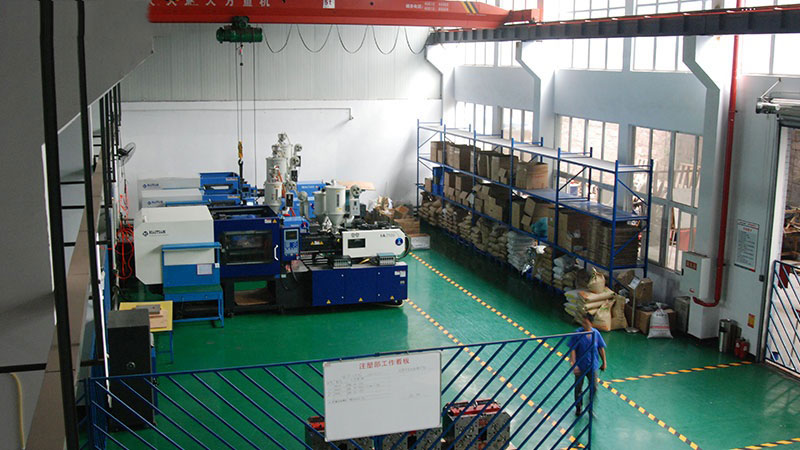
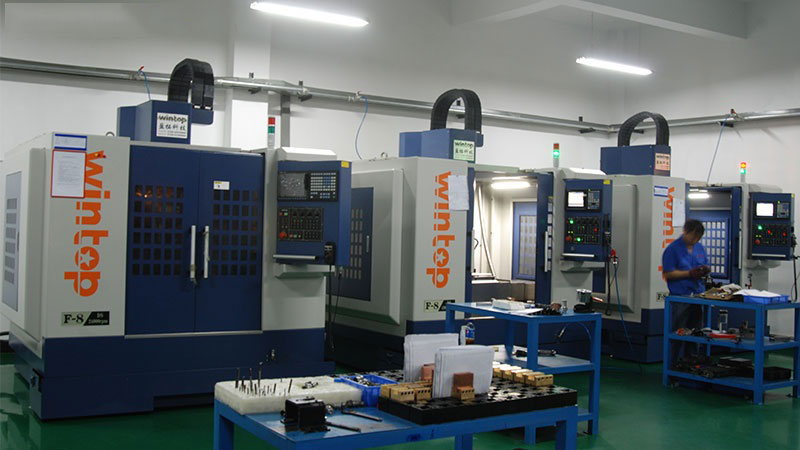
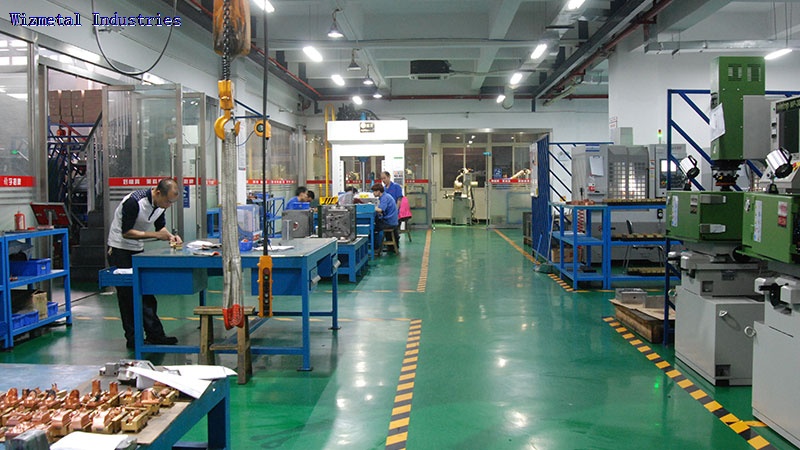
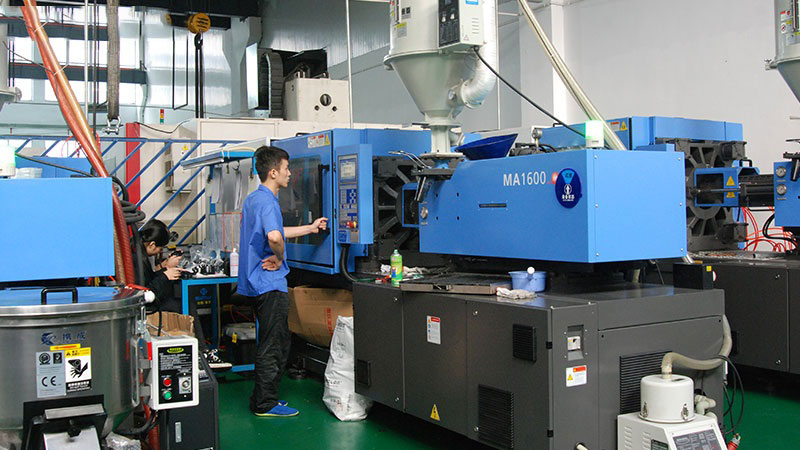
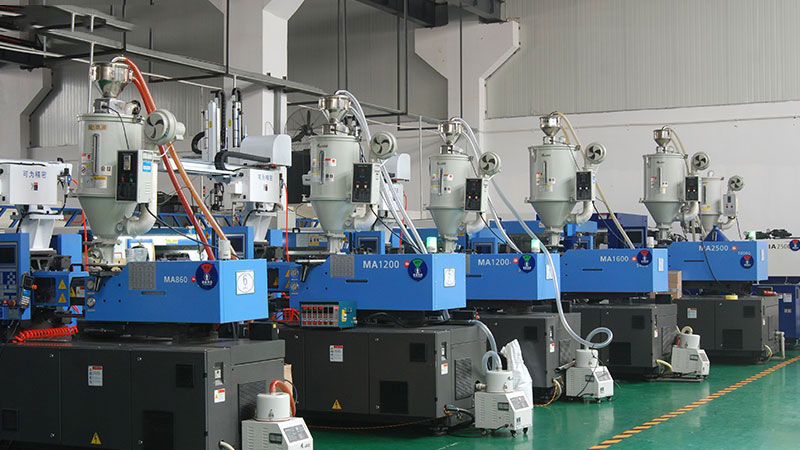
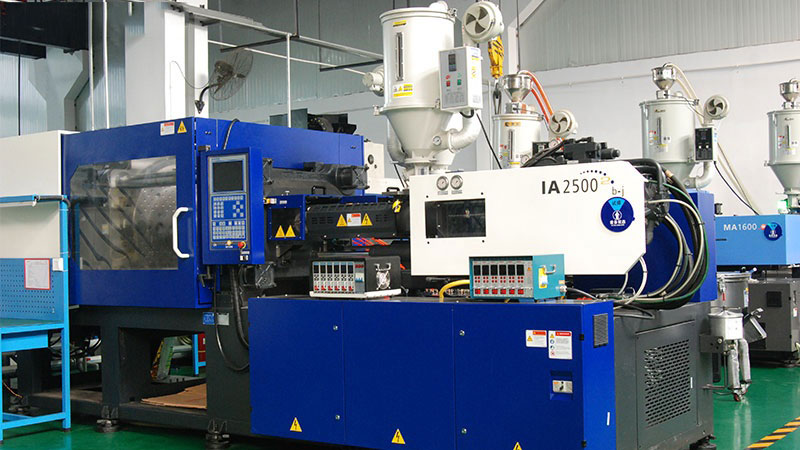
The cornerstone of successful procurement is rigorous supplier verification. The term “China mold factory” encompasses a vast spectrum, from rudimentary workshops to ISO-certified facilities with advanced engineering capabilities. Your first step is to move past glossy websites and sales pitches. Demand concrete evidence. Request detailed company profiles with a history of projects similar to your needs, particularly in silicone or other soft materials. Verify business licenses and export credentials. Utilize video conferencing to conduct virtual factory tours; a reputable supplier will readily showcase their CNC machining centers, EDM equipment, and, crucially, their cleanroom or controlled environment for silicone mold handling. This step filters out trading companies masquerading as manufacturers and aligns you with a true technical partner. In 2026, due diligence is non-negotiable.
With a shortlisted partner, the focus shifts to technical clarity and design for manufacturability (DFM). A professional **custom silicone mold manufacturer** will not simply quote on your provided 3D file; they will engage in a DFM process. This collaborative review is where expertise saves time and money. They will analyze your part design for potential issues like undercuts, wall thickness uniformity, and venting requirements specific to liquid silicone rubber (LSR) or high-consistency rubber (HCR). They should advise on optimal gate locations, shrinkage rates, and draft angles to ensure flawless demolding and part consistency. Clarify all specifications upfront: silicone grade (FDA, medical, flame retardant), hardness (Shore A), color requirements, and expected cavity life. This stage transforms your concept into a manufacturable blueprint and sets clear, mutual expectations.
A critical, yet often underestimated, phase is the implementation of staged quality control and a transparent sampling process. Agree on a QC protocol before tooling begins. For injection mold projects, this typically involves a First Article Inspection (FAI) report after the initial sample shots. The mold should be validated using production-grade silicone material, not prototyping resin. Insist on receiving actual silicone samples, not just pictures, for your own evaluation of surface finish, texture, dimensional accuracy, and functionality. Discuss key process parameters like cure time and temperature, which the factory should document. For ongoing production, define the frequency of in-process checks and the format of final inspection reports (e.g., with CMM data for critical dimensions). This structured approach to quality control mitigates risk and ensures the delivered molds meet your precise standards.
The final pillar of modern procurement is mastering logistics, intellectual property (IP) protection, and long-term partnership. Once the mold is approved, decide on ownership and storage. Will the mold remain at the factory in China for production runs, or will it be shipped to you or a third-party molding facility? Both options have cost and control implications—document this in your contract. For IP, a robust Non-Disclosure Agreement (NDA) is essential, but working with a supplier that values its own reputation is your strongest safeguard. Finally, view procurement as the start of a relationship. A reliable partner will provide maintenance advice for your silicone mold to extend its lifespan and be a resource for future projects or modifications. Effective communication, respecting time zones, and building trust turn a single transaction into a strategic supply chain asset.
Procuring custom silicone molds from China in 2026 demands a blend of technological savvy and disciplined process management. It is no longer merely about finding the lowest price but about identifying a competent, transparent China mold factory capable of being a true extension of your engineering team. By prioritizing thorough supplier verification, engaging deeply in the DFM stage, enforcing rigorous quality control, and formalizing logistics and IP terms, you transform procurement from a daunting task into a competitive advantage. The goal is to secure not just a mold, but a reliable manufacturing solution that delivers consistent quality, protects your investment, and supports your product’s success in the global marketplace.
Work With Us
As a professional China mold manufacturer, we provide one-stop mold solution for overseas buyers.
📞 Phone: +86-18605944639
💬 WhatsApp: +8618605944639
🌐 Website: bestmoldworks.com
📧 Email: [email protected]