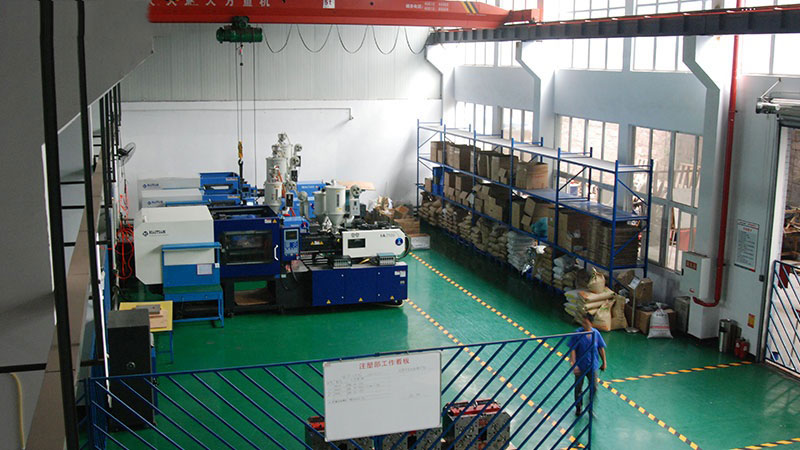
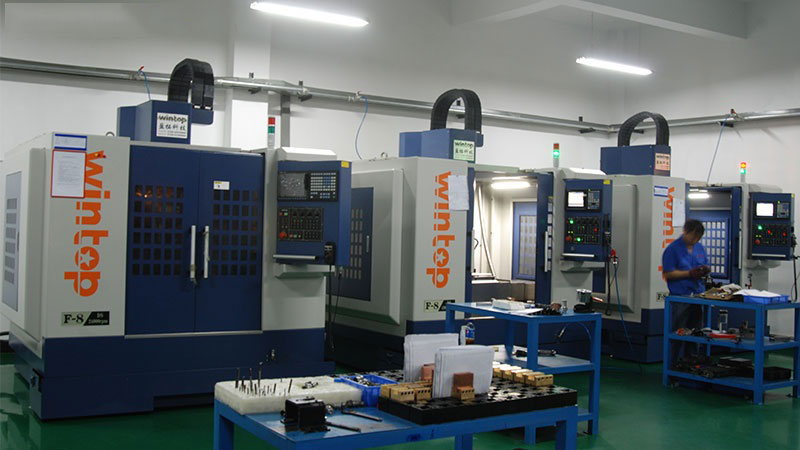
For overseas businesses, partnering with a custom silicone mold manufacturer in China represents a significant strategic advantage, offering unparalleled cost efficiency and manufacturing scalability. However, navigating this complex procurement landscape from afar presents distinct challenges. Issues such as supplier verification, communication barriers, and consistent quality control can turn a promising opportunity into a costly ordeal. This guide provides actionable, forward-looking solutions for 2026, designed to help you mitigate risks and build a successful, long-term partnership with a reliable China mold factory.
Conducting Meticulous Supplier Verification Beyond the Surface
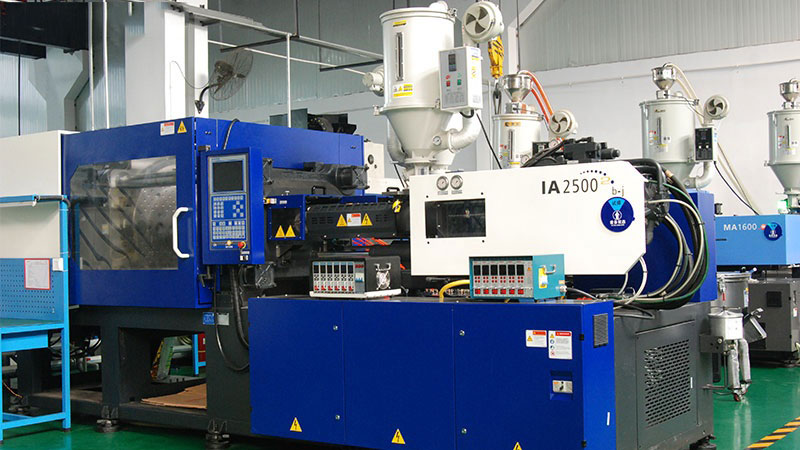
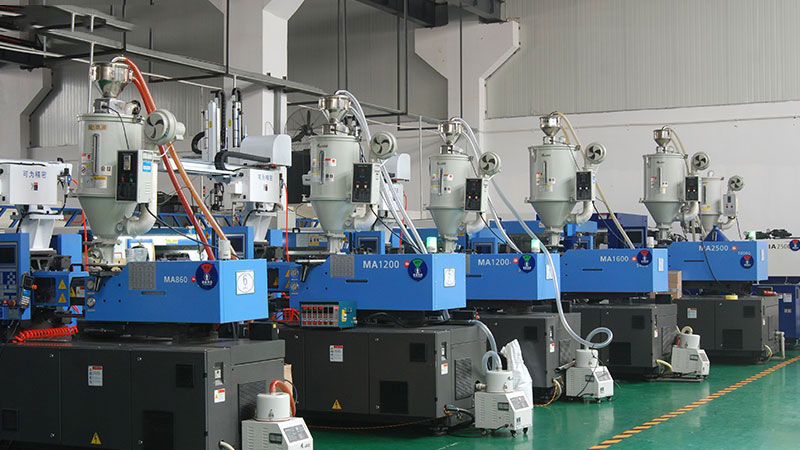
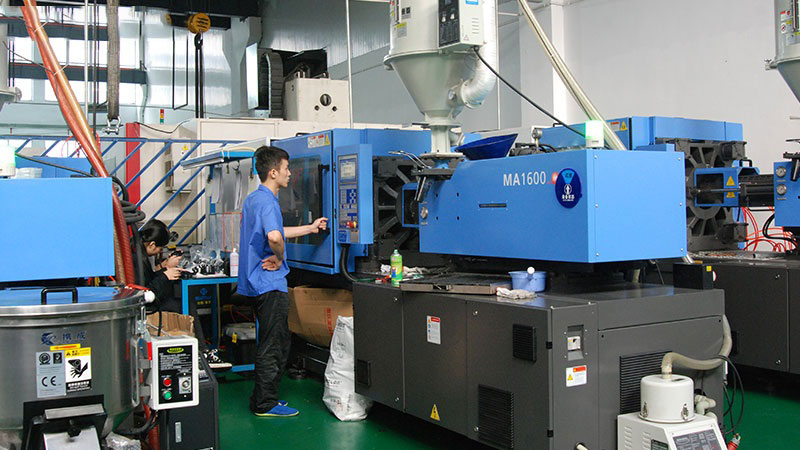
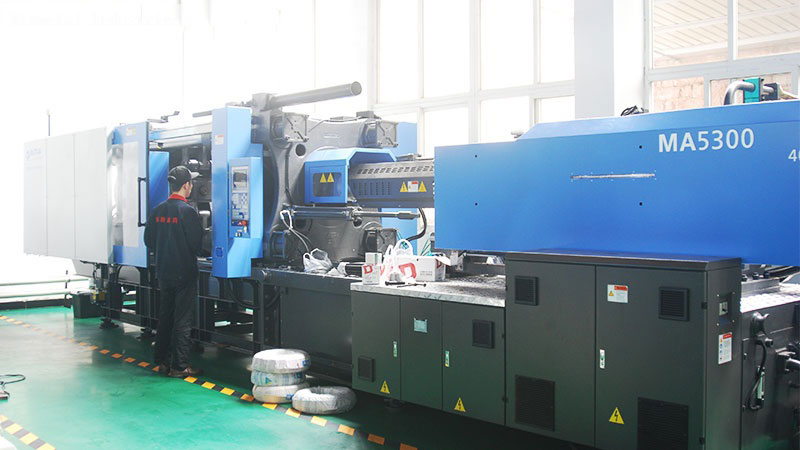
The foundational step in your procurement journey is rigorous supplier verification. In 2024, moving beyond Alibaba storefronts is non-negotiable. Start by requesting detailed business licenses and conducting video tours of the manufacturing facility. A reputable custom silicone mold manufacturer will readily provide this. Utilize professional third-party verification services to check the factory’s legal standing, export history, and financial health. Crucially, ask for and contact references from their existing overseas clients, specifically those in your region or industry. Inquire about their experience with project management, problem-solving, and post-sales support. This due diligence filters out trading companies masquerading as factories and identifies partners with a proven track record in international trade.
Mastering Technical Communication and Prototyping
Clear technical communication is the bedrock of a successful mold project. To avoid costly misinterpretations, develop a comprehensive and unambiguous Technical Data Package (TDP). This should include detailed 2D drawings with GD&T (Geometric Dimensioning and Tolerancing), 3D CAD files (STEP or IGS formats), and a clear specification sheet covering silicone material grade (e.g., food-grade, high-temperature), hardness (Shore A), color requirements, and expected production volume. Insist on a prototyping phase before full-scale mold production. A credible supplier will produce a 3D-printed or soft prototype for form and fit verification. This stage allows for design adjustments at a fraction of the cost of modifying a hardened steel injection mold. Effective communication here prevents the majority of quality disputes down the line.
Implementing a Multi-Stage Quality Control Protocol
Proactive quality control cannot be an afterthought; it must be embedded into the procurement process. Mandate a staged inspection protocol with your China mold factory. First, conduct a Data Quality Review (DQR) to ensure the mold design matches your specifications. Next, schedule a Critical Design Review (CDR) upon mold completion but before trial shots. The most critical stage is the Initial Sample Inspection Report (ISIR) during the first trial run. Ideally, engage a local third-party quality inspection firm to perform this on-site, checking the mold’s workmanship, material conformity, and the dimensions/quality of the first articles. For ongoing production, define Acceptable Quality Limits (AQL) for random inspections. This layered approach shifts quality assurance from a reactive to a proactive stance.
Navigating Logistics, IP Protection, and Total Cost Analysis
Understanding the full scope of engagement is vital. For Intellectual Property (IP) protection, draft a robust Non-Disclosure Agreement (NDA) and Product Confidentiality Agreement specific to Chinese jurisdiction and have them signed before sharing any technical data. Consider registering your design patents in China. Regarding logistics, clarify Incoterms 2020 with your supplier—terms like FOB (Free On Board) are standard, placing responsibility for shipping and insurance on you after the mold leaves the Chinese port. Partner with a reliable freight forwarder experienced in handling delicate模具 (molds). Finally, perform a Total Cost Analysis. Look beyond the unit price of the mold to include costs for prototyping, inspection services, shipping, import duties, and potential spare parts. The cheapest mold price often leads to the highest total cost of ownership.
Fostering a Partnership for Long-Term Success
View your chosen custom silicone mold manufacturer not as a vendor but as a strategic partner. Schedule regular video conferences to align on project timelines and address concerns promptly. Discuss their capacity for mold maintenance, repair, and future modifications. A forward-looking supplier will be investing in automation and sustainable practices, which can benefit your supply chain resilience and brand image. Building this relationship on transparency and mutual respect ensures not only the success of your initial project but also creates a reliable resource for future product development and scaling production efficiently.
Conclusion
Importing silicone molds from China in 2026 demands a sophisticated, informed approach centered on verification, communication, and controlled processes. By implementing these expert tips—from deep-dive supplier checks and crystal-clear technical dialogues to enforced quality inspections and holistic cost planning—you transform inherent risks into manageable steps. The goal is to move beyond simple procurement and cultivate a partnership with a Chinese mold supplier that delivers consistent quality, protects your intellectual property, and supports your business growth for years to come. With the right strategy, the advantages of manufacturing in China remain compelling and entirely accessible to the diligent overseas buyer.
Work With Us
As a professional China mold manufacturer, we provide one-stop mold solution for overseas buyers.
📞 Phone: +86-18605944639
💬 WhatsApp: +8618605944639
🌐 Website: bestmoldworks.com
📧 Email: [email protected]