Author: moldcustomization

  • custom injection molding near me: Reliable Manufactur 2026

    For overseas buyers and product developers, the search for “custom injection molding near me” often reveals a challenging reality: high costs, limited capacity, or lengthy lead times from local suppliers. This search, however, is fundamentally about finding reliable, high-quality, and cost-effective manufacturing solutions. In 2026, the most strategic answer to this need may not be geographical proximity but rather a partnership with a verified, professional China mold factory. This blog provides actionable insights for global procurement specialists to successfully navigate the process of importing precision injection molds from China, transforming distant manufacturing into a reliable extension of your own operations.

    The initial phase of procurement is the most critical, moving beyond simple online searches to targeted supplier discovery. Rather than relying solely on broad B2B platforms, focus on manufacturers with proven expertise in your specific industry, whether automotive, medical, consumer electronics, or packaging. A professional China mold factory will have a detailed portfolio showcasing complex injection mold designs and finished parts. Crucially, initiate contact with a technical inquiry, not just a price request. Presenting a detailed product design (with 3D files like STEP or IGES) for review separates serious partners from traders. This step assesses their engineering capability and willingness to engage in collaborative problem-solving before any commitment is made.

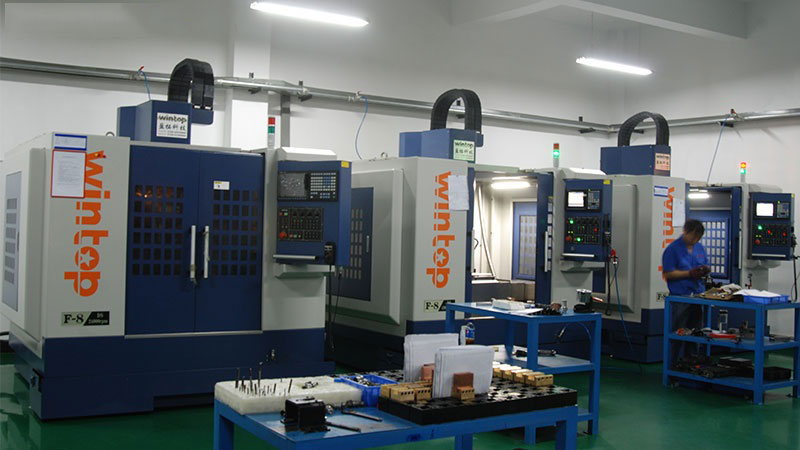
    Once potential partners are identified, rigorous supplier verification becomes non-negotiable. In 2026, due diligence extends far beyond a website. Insist on a virtual factory tour via video call; a reputable injection mold supplier will readily showcase their workshop, machinery (look for CNC, EDM, and wire-cutting equipment), and quality control lab. Request and contact references from their existing overseas clients. Verify business licenses and export credentials. Furthermore, investigate their mold flow analysis capability—a sign of a proactive engineering approach that predicts and solves potential filling or cooling issues digitally, saving costly mold modifications later. This thorough verification process mitigates risk and builds a foundation of transparency.

    The core of a successful partnership lies in uncompromising quality control protocols, integrated from the very first sample. Define and agree upon a comprehensive Quality Inspection Plan before production begins. This should include First Article Inspection reports with full dimensional checks using CMM data, material certification, and pre-shipment sample approvals. For critical components, consider engaging a trusted third-party quality inspection service within China for impartial mold trials and initial production run checks. A reliable manufacturer will welcome this oversight as it aligns expectations. Clear communication on quality standards, using internationally recognized systems like PPAP or your own detailed checklists, ensures the injection mold and subsequent parts meet your exact specifications, preventing costly rejections upon arrival.

    Effective management of logistics, communication, and intellectual property is what transforms a transaction into a reliable supply chain solution. Establish clear terms for packaging—molds should be securely crated for ocean freight to prevent damage. Understand Incoterms thoroughly; FOB is common, but you may consider CFR for more control. Bridge the time zone gap by scheduling regular weekly update calls and using collaborative project management tools. For Intellectual Property protection, a well-drafted Non-Disclosure Agreement and Product Development Agreement under Chinese law are essential. A trustworthy partner understands the importance of IP and will respect contractual boundaries. This structured management turns the geographical distance into a manageable, systematic process.

    Ultimately, the strategic shift from “custom injection molding near me” to partnering with a top-tier Chinese manufacturer is about building a competitive advantage. The cost savings are significant, but the real value in 2026 lies in accessing specialized engineering talent, vast manufacturing scalability, and advanced technological capabilities often concentrated in China’s industrial hubs. By following a disciplined approach—targeted sourcing, meticulous verification, embedded quality control, and professional project management—overseas buyers can secure a reliable manufacturing partner. This partnership delivers not just a precision injection mold, but a consistent, high-quality supply of components that enhance your product’s market viability and your company’s bottom line for years to come.

    Work With Us

    As a professional China mold manufacturer, we provide one-stop mold solution for overseas buyers.
    📞 Phone: +86-18605944639
    💬 WhatsApp: +8618605944639
    🌐 Website: bestmoldworks.com
    📧 Email: [email protected]
  • custom injection mold maker near me: Expert Tips & Sol 2026

    For overseas buyers and product developers, the search for a “custom injection mold maker near me” often evolves into a global procurement journey, with China standing as the undisputed hub for precision tooling and competitive manufacturing. While local mold shops offer proximity, the combination of advanced technical capability, scalability, and cost-effectiveness offered by specialized Chinese mold factories is compelling. However, navigating this complex landscape from afar presents distinct challenges in supplier verification, communication, and quality control. This guide provides expert, actionable tips for 2026, designed to help you successfully partner with a reliable injection mold supplier in China, transforming geographical distance into a strategic advantage.

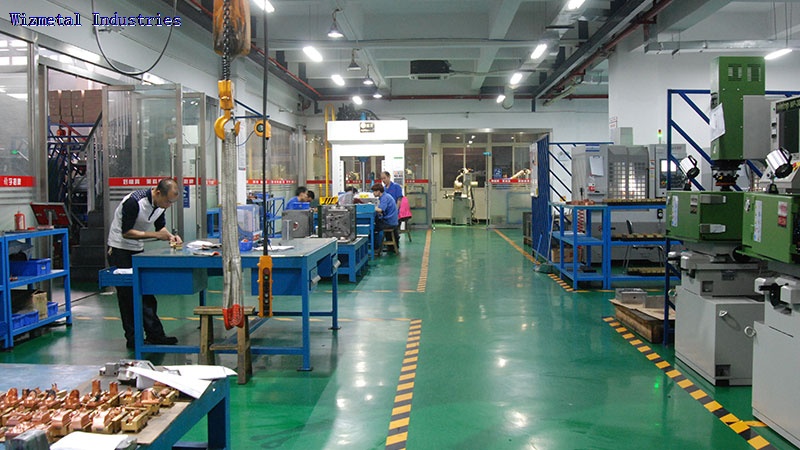
    The foundational step in your procurement process must be rigorous supplier verification, moving beyond superficial website assessments. In 2026, due diligence is multi-faceted. Begin by verifying business licenses and export credentials through official Chinese platforms. However, true verification extends to technical capability. Request and meticulously review a detailed portfolio of past projects, specifically looking for molds similar to your product in material, complexity, and industry. Utilize video calls to conduct virtual factory tours; a reputable China mold factory will readily showcase its CNC machining centers, EDM equipment, and quality control lab. Furthermore, insist on speaking directly with their project engineers, not just sales staff, to gauge their technical problem-solving approach. This initial investment in verification is your primary defense against costly project failures.

    Once a potential partner is identified, mastering the technical and commercial quotation process is critical. A professional injection mold maker will not provide a meaningful quote from a simple 3D file alone. Expect and prepare for a detailed RFQ (Request for Quotation) process. You must supply comprehensive data: a complete 3D model (STEP or IGS), 2D drawings with critical tolerances and surface finish specifications, desired material (e.g., POM, ABS, PP), expected annual volumes, and cycle time targets. Analyze the quotes you receive beyond the bottom-line price. Scrutinize the mold base standard (LKM, HASCO, or DME), the steel grade proposed for cavities and cores (e.g., S136, NAK80, P20), and the breakdown of costs for design, machining, sampling, and post-processing. A transparent, detailed quote reflects a professional operation and prevents hidden costs later.

    The pivotal phase where many offshore projects falter is quality control during mold manufacturing and sampling. Proactive, structured oversight is non-negotiable. Demand a staged inspection plan linked to milestone payments. Key inspection points typically include: a pre-production meeting to finalize design (DFM report), mold base and material certification review, cavity and core inspection after CNC machining (using CMM reports), and a first article inspection (FAI) on the initial sample parts. Partner with a third-party quality inspection firm based in the industrial region where your supplier is located. These experts can conduct in-person inspections, perform dimensional checks on samples, and document findings with photos and data. This objective layer of quality control ensures the injection mold meets your specifications before it is shipped, avoiding disputes and rework after international freight.

    Effective project management and clear communication protocols bridge the geographical and cultural gap. Establish a single point of contact on both sides, but ensure you have access to the project engineer. Use collaborative tools like shared cloud folders for drawings and reports, and schedule regular update meetings—considering the time zone difference. Clearly define approval processes for each stage: design approval, steel approval, and sample approval. Discuss and agree upon terms for engineering changes (ECNs) and their cost implications upfront. Furthermore, understand the logistics chain. A competent supplier will assist with export documentation, packaging specifications for sensitive mold protection, and recommended freight forwarders. In 2026, treating your Chinese mold factory as a true extension of your engineering team, integrated through clear systems, is the hallmark of a sophisticated importer.

    For overseas buyers, the strategic search for a “custom injection mold maker near me” ultimately leads to a disciplined, informed approach to the Chinese market. The goal is not merely to find the lowest cost, but to build a partnership with a China mold factory that delivers reliability, quality, and value over the long term. By implementing rigorous supplier verification, demanding technical clarity in procurement, enforcing staged quality control, and establishing robust communication, you mitigate the inherent risks of distance. In 2026, these expert tips empower you to leverage China’s manufacturing excellence confidently, turning the challenge of offshore injection mold sourcing into a competitive edge for your product development and business growth.

    Work With Us

    As a professional China mold manufacturer, we provide one-stop mold solution for overseas buyers.
    📞 Phone: +86-18605944639
    💬 WhatsApp: +8618605944639
    🌐 Website: bestmoldworks.com
    📧 Email: [email protected]
  • plastic injection moulding factory near me: Reliable M 2026

    For overseas buyers, the search for a “plastic injection moulding factory near me” often ends with the realization that true scalability, cost-effectiveness, and specialized expertise lie offshore, particularly in China. However, the leap from this realization to a successful, low-risk procurement partnership is fraught with challenges. The geographical and cultural distance can transform what seems like a straightforward purchase into a complex project management ordeal. This guide, “Reliable M 2026,” is designed to bridge that gap. It moves beyond simple supplier listings to provide a strategic framework for 2026 and beyond, offering actionable steps to transform your search for a China mold factory from a daunting task into a streamlined, confident process of supplier verification and quality control.

    The foundational step is redefining your search criteria. Instead of a generic quest for a plastic injection moulding factory, begin with a deep internal audit of your project. Define your part’s critical tolerances, material specifications, expected annual volumes, and lifecycle. This clarity is your most potent tool. It allows you to communicate professionally with potential partners and immediately filters out factories incapable of meeting your technical demands. A factory proficient in high-cavitation molds for medical devices is not necessarily the right fit for large, structural automotive components. By articulating your needs in detail, you shift the conversation from commodity pricing to value-based partnership, attracting serious suppliers and deterring those who compete on price alone.

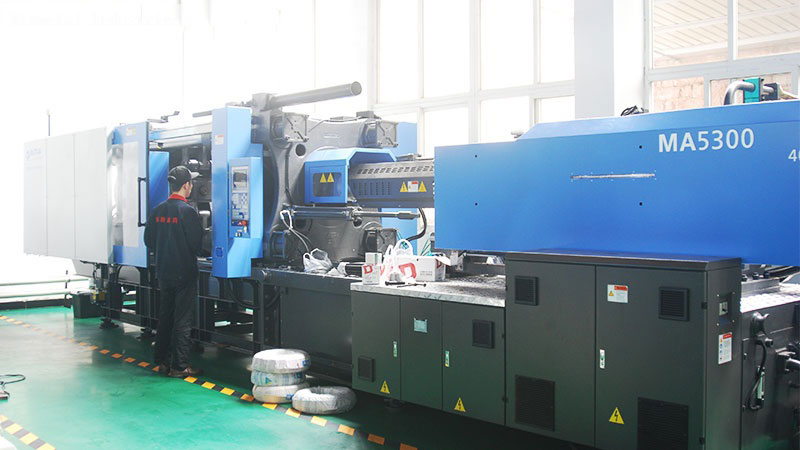
    With your specifications in hand, rigorous supplier verification becomes your primary shield against risk. The modern approach extends far beyond Alibaba profiles. Utilize professional B2B platforms like Global Sources or Made-in-China, which often feature verified suppliers. However, the most critical action is to conduct a multi-faceted due diligence process. First, insist on a video tour of the facility. A legitimate China mold factory will readily showcase its CNC machining centers, EDM equipment, injection molding machines, and, crucially, its quality control lab. Second, request and meticulously review a portfolio of past work, specifically for export clients in your region or industry. Third, leverage third-party verification services for business license checks and onsite audits. This layered approach moves you from a passive online searcher to an active, informed buyer.

    The true test of a reliable partner is not in the sale but in the project management and communication protocol. Before any contract is signed, establish clear, documented procedures. Who is your single point of contact? What is the schedule for design reviews (DFM), mold flow analysis, and milestone payments? What platform will be used for daily updates (e.g., WhatsApp, WeChat, email with structured reports)? A professional plastic injection moulding factory near me in your home country operates on transparency; your Chinese partner must be held to the same standard. Implement a staged approval process with clear sign-offs at critical junctures—after mold design, after first article inspection, and before mass production. This structure prevents misunderstandings and ensures the project remains aligned with your expectations.

    No discussion of importing injection molds is complete without a dedicated strategy for quality control. Relying solely on the supplier’s final inspection is a profound risk. Your strategy must be multi-stage. Start with a Pre-Production Inspection (PPI) of raw mold steel and key components. The most critical stage is the Initial Sample Inspection (ISI) or First Article Inspection (FAI), where you rigorously measure and test initial shots against your CAD drawings and specifications. For ongoing production, consider DUPRO (During Production Inspection) or Final Random Inspection (FRI) conducted by a trusted third-party QC agency based in China. These inspectors act as your eyes on the ground, checking for consistency, workmanship, and packaging before shipment. This proactive investment in QC is the ultimate insurance for your procurement budget.

    Finally, view the partnership through a long-term strategic lens. A successful initial mold project should be the foundation for a lasting manufacturing relationship. Discuss future needs, their capacity for scaling production, and their approach to mold maintenance and repair. A forward-thinking supplier will be interested in your roadmap. This long-term perspective encourages better service and priority treatment. It transforms a transactional supplier into a true extension of your manufacturing arm, providing not just a mold but a reliable pipeline for plastic components.

    In conclusion, finding a reliable plastic injection moulding factory near me, when “near me” is redefined as a strategically vetted partner in China, is a systematic process, not a gamble. “Reliable M 2026” underscores that success hinges on detailed internal specification, uncompromising supplier verification, structured communication, and an unwavering commitment to independent quality control. By adopting this framework, overseas buyers can confidently navigate the complexities of importing injection molds. The goal is to secure not just a cost-effective tool, but a cornerstone of your supply chain—a reliable China mold factory that delivers consistent quality, fosters transparent collaboration, and supports your product’s success for years to come.

    Work With Us

    As a professional China mold manufacturer, we provide one-stop mold solution for overseas buyers.
    📞 Phone: +86-18605944639
    💬 WhatsApp: +8618605944639
    🌐 Website: bestmoldworks.com
    📧 Email: [email protected]
  • mould Manufacturerturers in China: Best Suppliers & Qua 2026

    For overseas buyers, sourcing precision tooling from China represents a significant strategic advantage, offering a compelling blend of advanced technical capability and cost efficiency. However, navigating the vast landscape of suppliers to identify truly reliable partners can be a daunting task. The core challenge is not finding a manufacturer, but finding the *right* manufacturer—one that delivers consistent quality, maintains clear communication, and respects project timelines. This guide is designed to cut through the noise, providing actionable, professional strategies to connect with the best **mould manufacturers in China** and establish a robust procurement process for 2026 and beyond.

    **Conducting Rigorous Supplier Verification Beyond the Website**

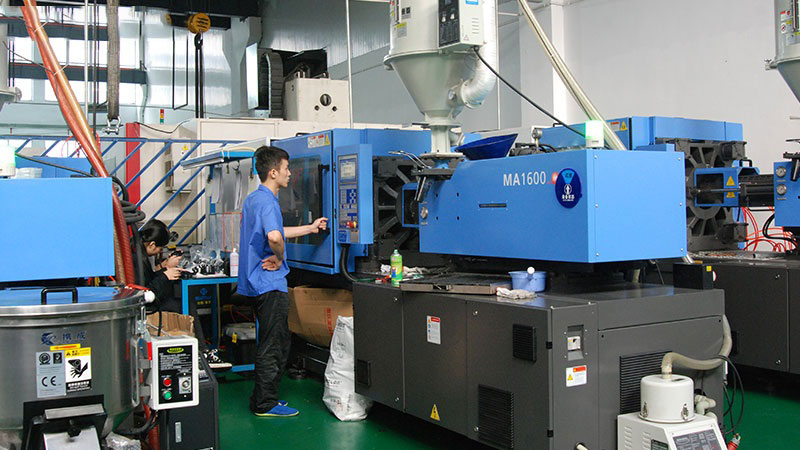
    The first and most critical step is moving past superficial assessments. A polished website and fluent English sales reps are not indicators of engineering prowess. Begin your search on comprehensive B2B platforms like Made-in-China.com or Alibaba, but use them as a starting point for a deeper dive. Prioritize suppliers with verified badges, but more importantly, those who openly share detailed case studies, technical specifications, and machine park lists. The real verification, however, happens offline. Insist on a virtual factory tour via video call; a reputable **China mold factory** will readily showcase their workshop, CNC machining centers, EDM machines, and quality control stations. Request contact information for two or three of their existing overseas clients. A trustworthy supplier will provide these references, allowing you to gain unfiltered insights into their performance and reliability.

    **Mastering the Technical Dialogue and RFQ Process**

    A precise Request for Quotation (RFQ) is your primary tool for filtering capable suppliers and avoiding costly misunderstandings. Simply sending a 3D file and asking for a price will yield inconsistent and incomparable quotes. Your RFQ must be a comprehensive technical package. Include not only the part design (STEP or IGES format) but also material specifications, expected annual volumes, cavitation requirements, and target part cost. Crucially, detail your quality expectations: specify tolerances, surface finish requirements (SPI standards), and any critical-to-function dimensions. This forces potential **mould manufacturers in China** to engage on a technical level from the outset. Evaluate their response carefully: do they ask intelligent, clarifying questions about gate locations, ejection, or cooling? A supplier that proactively suggests design for manufacturability (DFM) improvements is demonstrating valuable expertise that will prevent issues down the line, especially for complex **injection mold** projects.

    **Implementing a Phased Payment and Quality Control Protocol**

    Financial terms and quality assurance are intrinsically linked. Avoid suppliers demanding 100% upfront payment. Instead, negotiate a staged payment plan tied to clear milestones—for example, 30% upon order confirmation, 40% after T1 sample approval, and 30% before shipment. This aligns interests and gives you leverage. Concurrently, define a rigorous quality control (QC) protocol. For standard molds, insist on First Article Inspection (FAI) reports with CMM data for critical dimensions, along with photos and videos of the mold trial (T1) using production-grade material. For high-value or high-volume projects, investing in third-party inspection services like SGS or Bureau Veritas for a Pre-Shipment Inspection (PSI) is non-negotiable. An inspector will verify steel hardness, cavity dimensions, surface finish, and complete a sample trial run at the factory. This step in your **procurement** strategy mitigates the risk of receiving a non-conforming mold, saving immense cost and delay.

    **Building a Partnership Through Clear Communication and IP Protection**

    Successful importation is built on a partnership, not just a transaction. Establish a single point of contact on the supplier’s side who is both technically competent and proficient in English. Use collaborative tools like shared cloud folders for drawings, weekly video conference updates, and detailed meeting minutes to track progress and action items. Regarding Intellectual Property (IP), take practical, enforceable steps. While an NNN Agreement (Non-Use, Non-Disclosure, Non-Circumvention) is more effective in China than a standard NDA, its real power comes from layering protections. Register your design patents in China, and clearly mark all drawings with confidential labels and ownership statements. Furthermore, contractually stipulate that all mold designs, including revisions, remain your exclusive property. A reputable supplier understands and respects these concerns; their willingness to comply is a key trust signal.

    **Planning for Logistics and Post-Sales Support**

    The process does not end when the mold is shipped. Discuss Incoterms explicitly—FOB is commonly preferred as it gives you control over the main shipping leg and insurance. Ensure the supplier provides a professional export packing case with proper desiccants and rust prevention for the sea voyage. Crucially, secure detailed post-sales support terms before finalizing the contract. This should include a warranty period (typically 12-24 months against manufacturing defects), the provision of spare parts like ejector pins and heaters, and a commitment to support future mold modifications or repairs at a reasonable cost. Clarify how troubleshooting will be handled; will they provide remote video support or analyze failed parts sent to them? A supplier’s approach to long-term support is the ultimate test of their reliability.

    Conclusion

    Importing molds from China in 2026 demands a disciplined, proactive approach that prioritizes verification, technical clarity, and controlled collaboration. By moving beyond price as the sole deciding factor and implementing structured processes for **supplier verification** and staged **quality control**, overseas buyers can significantly de-risk their **procurement**. The goal is to transform a complex international transaction into a streamlined technical partnership. The most competitive and reliable **China mold factory** partners are those that welcome this level of scrutiny, seeing it as the foundation for a long-term, successful business relationship. By applying these professional strategies, you can confidently tap into China’s manufacturing excellence and secure a sustainable competitive advantage for your production needs.

    Work With Us

    As a professional China mold manufacturer, we provide one-stop mold solution for overseas buyers.
    📞 Phone: +86-18605944639
    💬 WhatsApp: +8618605944639
    🌐 Website: bestmoldworks.com
    📧 Email: [email protected]
  • plastic mold manufacturer in china: Complete Procurem 2026

    For global businesses, sourcing from a plastic mold manufacturer in China remains a strategic move to balance cost, capability, and speed to market. However, the landscape is evolving. Success in 2026 demands more than just finding the lowest quote; it requires a structured, intelligent procurement process that mitigates risk and ensures project success. This guide provides a professional, actionable framework for overseas buyers to navigate the complexities of importing high-quality injection molds from China, turning potential challenges into competitive advantages.

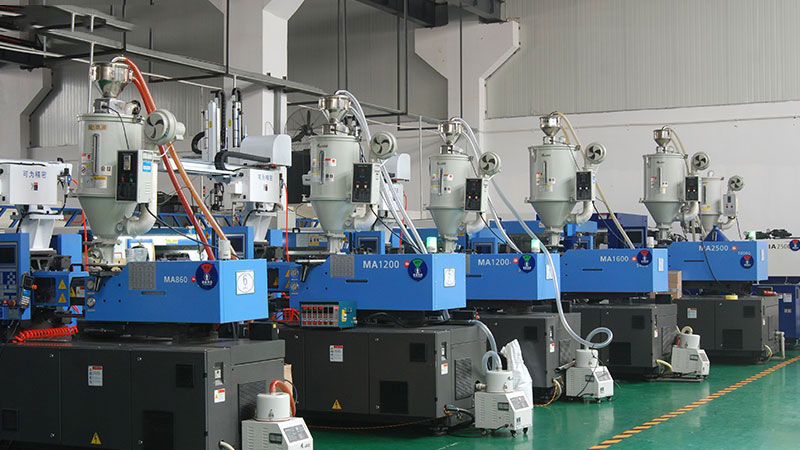
    The foundation of a successful procurement project is thorough supplier verification. Moving beyond Alibaba listings is crucial. Begin by identifying China mold factories with proven expertise in your specific industry, whether automotive, medical, consumer electronics, or packaging. Scrutinize their technical capabilities: what is their maximum mold size and tonnage? Do they have experience with the resin you intend to use? Essential verification steps include reviewing a comprehensive portfolio, requesting client references from your region, and conducting a virtual or in-person factory audit. Key audit points should focus on their engineering team’s qualifications, the age and maintenance of their machining centers (like CNC, EDM), and their in-house quality control equipment. A reliable partner will transparently share this information. This due diligence phase filters out trading companies masquerading as manufacturers and aligns you with a partner whose technical capacity matches your project’s demands.

    Once a qualified supplier is shortlisted, mastering the technical and commercial negotiation phase is critical. A professional Request for Quotation (RFQ) package is your most powerful tool. It must include not just a 3D part file, but detailed technical specifications: material type, expected annual volume, cosmetic requirements (texture, polish), tolerance standards, and desired mold life (e.g., 500,000 shots). This clarity prevents misunderstandings and enables comparable quotes. When discussing price, understand the cost breakdown. A suspiciously low bid often signals corner-cutting on steel quality, machining precision, or future service. Negotiate based on value—emphasize the importance of mold flow analysis to prevent defects, the use of standardized components (like HASCO or DME), and a clear timeline with milestone payments. Formalize all agreements in a detailed contract covering intellectual property ownership, payment terms, delivery schedule, and warranty provisions for both workmanship and mold life.

    The most common pitfall for overseas buyers is assuming quality will match the sample. Proactive quality control is non-negotiable. Insist on a defined Quality Control Plan before production begins. This plan should mandate inspections at critical stages: first article inspection after mold trial, dimensional reports using CMM data, and pre-shipment audits. For high-stakes projects, engaging a trusted third-party quality inspection service within China is a wise investment. They can conduct on-site inspections during the Trial Out Report (TMR) stage, checking part dimensions, assembly, and function against your drawings. Furthermore, maintain continuous communication. Request regular photo and video updates of the machining progress, steel material certificates, and sample parts from each trial. A professional China mold factory will welcome this collaborative approach as it demonstrates your seriousness and reduces the risk of costly rework after shipment.

    Effective procurement extends beyond the arrival of the mold. Planning for the post-delivery phase ensures long-term value. Discuss and agree upon terms for mold maintenance and repair. Will the supplier hold spare parts? What is their response time for engineering changes or damage repair? Understanding the logistics chain is equally vital. Determine incoterms clearly—FOB Shanghai is common, giving you control over shipping and insurance. Work with a freight forwarder experienced in handling delicate模具 (molds), ensuring proper crating and documentation to avoid customs delays. Finally, view this as a partnership. A successfully executed project with a plastic mold manufacturer in China can become a strategic asset, leading to faster turnaround on future projects, better pricing, and a collaborative approach to solving complex manufacturing challenges. Building this relationship is integral to a sustainable and resilient supply chain.

    In conclusion, procuring an injection mold from China in 2026 is a detail-oriented process that rewards preparation and partnership. By implementing a rigorous system of supplier verification, precise technical communication, staged quality control, and post-delivery planning, overseas buyers can significantly de-risk their procurement journey. The goal is to transform the geographical and cultural distance into a seamless extension of your production capability. By following this complete procurement framework, you position your business to leverage the immense manufacturing prowess of Chinese mold factories, securing not just a tool, but a foundation for product quality and market success for years to come.

    Work With Us

    As a professional China mold manufacturer, we provide one-stop mold solution for overseas buyers.
    📞 Phone: +86-18605944639
    💬 WhatsApp: +8618605944639
    🌐 Website: bestmoldworks.com
    📧 Email: [email protected]
  • custom injection molding cost: Professional Buying Gu 2026

    Navigating the landscape of custom injection molding cost is a primary concern for overseas buyers looking to manufacture in China. While the country offers unparalleled advantages in terms of scale and expertise, the procurement process is nuanced. A lower initial quote does not always translate to a lower total cost of ownership. This guide for 2026 cuts through the complexity, providing a professional framework to help you secure not just a competitive price, but reliable quality and a successful long-term partnership. We will move beyond simple price comparison to focus on the strategic elements that truly govern value and risk mitigation when working with a China mold factory.

    The cornerstone of managing your custom injection molding cost effectively begins long before you request a quote. Comprehensive design for manufacturability (DFM) analysis is non-negotiable. A proficient China mold factory will provide a detailed DFM report, highlighting potential issues in your part design that could increase mold complexity, cycle time, or material waste. Investing time in this collaborative stage can lead to significant savings by simplifying the injection mold structure, selecting the most efficient gating system, and recommending optimal materials. A supplier that offers this service proactively demonstrates technical competency and a partnership mindset, aiming to reduce costs at the source rather than simply executing a potentially flawed design. This step directly influences the single largest cost component: the injection mold itself.

    With a manufacturable design, the next critical phase is rigorous supplier verification. In 2026, due diligence extends far beyond checking a website and a business license. Start by verifying the supplier’s core competencies: do they have proven experience with parts of similar size, complexity, and material to yours? Request and scrutinize past project case studies. A virtual factory audit is now a standard expectation; insist on a live video tour of the production floor. Observe the condition of their machining centers (CNC, EDM), the organization of their mold assembly area, and their quality control stations. During this process, engage their engineering team in technical discussion. Their ability to communicate clearly and ask insightful questions about your project is a strong indicator of professionalism. This verification process is your primary shield against partnering with an intermediary or an under-equipped workshop, which poses the highest risk to both your budget and timeline.

    The procurement strategy for the mold and parts is a pivotal lever in cost control. Understand the fundamental cost breakdown: the custom injection molding cost is typically separated into the non-recurring engineering (NRE) cost for the mold and the recurring per-part piece price. For the mold, obtain detailed, itemized quotations. Compare what is included: mold material (pre-hardened steel vs. hardened steel), cavity count, lifespan expectations, cooling system design, and the scope of trials. Be wary of quotes that seem abnormally low; they often use inferior materials or omit essential features. For part production, clarify the piece price terms. Is it based on a specific annual volume? What are the payment terms? A common and effective strategy is to source the mold from a specialized mold maker and the high-volume production from a dedicated molding house, though this requires excellent coordination. Alternatively, integrated suppliers offer one-stop service. Your choice should align with your project’s scale and your internal management capacity.

    Implementing a robust quality control protocol from the outset is what protects your investment. Agree on clear, measurable quality standards (e.g., ASTM, ISO) and inspection methodologies before order confirmation. The First Article Inspection (FAI) report from the mold trial is a critical deliverable. It should include comprehensive dimensional data, material certification, and photos of finished parts. For ongoing production, define the frequency and sampling size for in-process inspections. For higher-risk or high-volume orders, consider engaging a local third-party quality inspection firm to conduct pre-shipment inspections. This provides an objective assessment of the entire batch. While this incurs an additional fee, it prevents the monumental cost of receiving defective goods overseas. Effective quality control is not an expense; it is an essential component of risk management that ensures the perceived custom injection molding cost aligns with the value of the goods received.

    Finally, adopt a total cost perspective. The cheapest initial option can become the most expensive due to delays, poor communication, mold failures, or inconsistent part quality. Factor in logistical costs, import duties, and the potential cost of engineering changes. Build a transparent and documented communication flow using project management tools. Clearly define milestones, approval stages, and key contacts. A professional supplier will welcome this structure. In 2026, successful importers view their China mold factory not as a vendor, but as a technical partner. Building this relationship based on clarity, mutual respect, and shared goals is the ultimate strategy for optimizing your injection molding project’s cost, quality, and timeline.

    In conclusion, mastering the custom injection molding cost from China in 2026 requires a shift from price-focused sourcing to value-focused partnership. It begins with a manufacturable design and is secured through meticulous supplier verification, a strategic procurement approach, and an uncompromising quality control regime. By investing effort in these foundational steps, overseas buyers can confidently navigate the market, turning the challenges of distance and difference into a competitive advantage. The goal is to establish a reliable supply chain that delivers consistent quality and predictable costs, ensuring the long-term success of your product.

    Work With Us

    As a professional China mold manufacturer, we provide one-stop mold solution for overseas buyers.
    📞 Phone: +86-18605944639
    💬 WhatsApp: +8618605944639
    🌐 Website: bestmoldworks.com
    📧 Email: [email protected]
  • custom molded part: Complete Procurement Guide 2026

    For overseas buyers, sourcing a custom molded part represents a critical step in product development, balancing innovation with cost-efficiency. China remains the global epicenter for mold manufacturing, offering unparalleled expertise and scalability. However, navigating this complex landscape requires a modern, strategic approach to mitigate risks and ensure project success. This 2026 guide is designed to move beyond basic advice, providing a professional, actionable framework for procuring high-quality injection molds and parts from China. We will solve real procurement problems by focusing on supplier verification, technical alignment, and robust quality control.

    The foundation of a successful project is selecting the right China mold factory. In 2026, verification goes far beyond checking a website. Start with a deep technical audit. Request and meticulously review design for manufacturability (DFM) reports from potential suppliers—a competent factory will provide this analysis proactively, suggesting material and design optimizations. Utilize video conferencing for virtual factory tours, specifically requesting to see machines and processes relevant to your part’s size and material. Crucially, verify their experience with your specific industry, whether automotive, medical, consumer electronics, or packaging. A supplier specializing in high-cavitation molds for bottle caps may not be ideal for a low-volume, engineering-grade custom molded part. Third-party verification platforms and seeking confidential references from their existing overseas clients are now non-negotiable steps in the procurement process.

    Once a qualified supplier is shortlisted, mastering the technical and commercial quotation phase is vital. A professional quotation for an injection mold should be dissected into clear components: mold base cost, cavity and core machining, slider/lifter mechanisms, surface finishing, and trial run fees. Beware of suspiciously low bids; they often signal corner-cutting on steel quality, heat treatment, or precision machining. In 2026, discussions must explicitly cover mold ownership, storage terms, and maintenance responsibilities post-production. Furthermore, align on the project timeline with milestone-based payments, tying disbursements to completed design approval, mold completion, first article inspection (FAI), and successful production trial runs. This structured financial approach protects both parties and ensures project momentum.

    Implementing proactive quality control from the outset is what separates successful imports from costly failures. Do not wait for the first shipment to inspect quality. Insist on a comprehensive First Article Inspection Report (FAIR) after the mold trial, including full-dimensional results, material certification, and color/visual approval. For ongoing production, define acceptable quality levels (AQL) and critical-to-function dimensions in a signed quality agreement. While self-inspection by the factory is standard, engaging a local third-party quality control agency for critical audit points—especially during initial production runs—provides an unbiased assessment. Modern suppliers should facilitate live video streaming of production or testing processes upon request. This layered QC strategy, focusing on prevention rather than detection, is essential for securing a consistently reliable custom molded part.

    Navigating logistics, intellectual property (IP), and long-term partnership dynamics are the final hurdles. Clearly define incoterms (e.g., FOB, EXW) to avoid hidden logistics costs. For the mold itself, consider air freight for high-value tools to expedite project timelines. Regarding IP, a robust non-disclosure agreement (NDA) is a starting point, but practical protection involves controlling the core design data. Provide suppliers with only the necessary manufacturing data, not full proprietary design files. For the ongoing production of the custom molded part, discuss and formalize arrangements for mold storage, maintenance schedules, and repair protocols. Viewing your China mold factory as a strategic partner, rather than just a vendor, fosters collaboration on cost-saving innovations and ensures priority support for future projects or modifications.

    Procuring a custom molded part from China in 2026 demands a blend of technical diligence, structured commercial practices, and continuous oversight. The landscape is competitive, but by executing a rigorous supplier verification process, demanding technical transparency, enforcing pre-shipment quality control, and formalizing partnership terms, overseas buyers can significantly de-risk their supply chain. This professional approach transforms the complexity of international procurement into a reliable, competitive advantage, ensuring that your injection mold investment delivers precision, quality, and value for years to come.

    Work With Us

    As a professional China mold manufacturer, we provide one-stop mold solution for overseas buyers.
    📞 Phone: +86-18605944639
    💬 WhatsApp: +8618605944639
    🌐 Website: bestmoldworks.com
    📧 Email: [email protected]

  • silicone mold factory: Professional Buying Guide 2026

    For overseas buyers, sourcing custom manufacturing components like silicone molds from China presents a significant opportunity for cost efficiency and specialized production. However, navigating the vast landscape of suppliers to find a reliable and professional silicone mold factory can be a complex challenge. This guide is designed to cut through the noise and provide you with a clear, actionable framework for your procurement journey in 2026. We will move beyond basic directory listings and focus on the strategic verification and collaboration processes that separate successful, long-term partnerships from costly mistakes. Whether you are in consumer goods, baking, industrial design, or prototyping, understanding how to systematically identify and qualify a China mold factory is your first critical step toward securing high-quality, durable, and cost-effective silicone injection molds.

    The foundation of any successful import project is rigorous supplier verification. In 2026, due diligence goes far beyond checking a website and requesting a price list. Begin with a multi-platform assessment: examine the factory’s presence on B2B platforms like Alibaba or Made-in-China, but also cross-reference with their professional social media activity on LinkedIn and their own corporate website. Look for consistent branding, detailed process explanations, and technical documentation. The next non-negotiable step is to request and scrutinize a comprehensive company audit report, such as an SGS or BV report. This verifies legal registration, manufacturing capabilities, and quality management systems. Finally, initiate a video call for a virtual factory tour. A professional China mold factory will readily showcase their workshop, machinery for injection mold and silicone molding, raw material storage, and quality control stations in real-time. This transparency is a key indicator of credibility.

    Once a potential partner is shortlisted, defining your technical specifications with absolute clarity becomes paramount. Miscommunication at this stage is the primary cause of substandard deliverables. Provide a detailed technical drawing or 3D CAD file with all critical dimensions, tolerances, and draft angles clearly marked. Specify the type of silicone material required, such as food-grade platinum-cure silicone, high-temperature vulcanizing (HTV) rubber, or liquid silicone rubber (LSR) for injection mold processes. Include performance requirements like tear strength, elongation, hardness (Shore A), and expected lifecycle (number of cycles). Furthermore, discuss and agree upon the mold design itself—single or multi-cavity, the type of vents and sprues, and the master model requirements. A professional silicone mold factory will engage in this dialogue, asking pertinent questions and potentially offering design for manufacturability (DFM) feedback to optimize your design for production and longevity.

    A sophisticated understanding of the quotation breakdown is essential for value assessment and avoiding hidden costs. A professional quote from a reputable supplier will be itemized, not a single lump sum. It should clearly separate costs for the master model (if needed), the mold tooling itself, and the per-unit price for sample or production batches. Pay close attention to payment terms; standard terms often involve a percentage deposit with the balance paid before shipment. Be wary of suppliers demanding full payment upfront. Crucially, discuss and confirm logistics responsibilities—Incoterms like FOB, EXW, or CIF. Clarify who handles customs clearance at the destination port and factor these freight and duty costs into your total landed cost. This comprehensive financial clarity protects you from unexpected expenses and ensures a smooth procurement process from factory floor to your warehouse.

    Implementing a robust quality control protocol is your final defense against defective products. Do not rely solely on the factory’s final inspection. For silicone molds, which are often used to create consumer-facing products, precision and finish are critical. Insist on a First Article Inspection (FAI) once the initial mold is produced. This involves the factory producing a small batch of samples from the new mold, which should then be measured and tested against your specifications. For higher-value or larger-volume orders, hiring a third-party quality inspection company to conduct an in-process or pre-shipment inspection is a wise investment. They will check for dimensional accuracy, surface finish, consistency of silicone hardness, and the absence of defects like air bubbles or incomplete fills. Proactive quality control at the source saves immense time and cost compared to rejecting an entire container load upon arrival in your country.

    Building a successful partnership with your chosen silicone mold factory is an ongoing process. After the initial order, provide clear, constructive feedback. A reliable supplier will view this as an opportunity for continuous improvement. Discuss possibilities for future collaboration, such as scaling production, developing new product lines, or optimizing the mold design for faster cycle times. In the dynamic manufacturing landscape of 2026, a trustworthy partner is not just a vendor but an extension of your production team. They can provide insights into material innovations, process efficiencies, and market trends that can give your products a competitive edge.

    In conclusion, importing silicone molds from China in 2026 demands a strategic, informed approach centered on verification, clear communication, and proactive quality management. By meticulously vetting your China mold factory, defining specifications with precision, understanding true costs, and enforcing rigorous quality control, you transform procurement from a transactional risk into a strategic advantage. The goal is to move beyond finding a simple supplier to cultivating a reliable manufacturing partner capable of delivering consistent quality and supporting your business growth for years to come. Start your next project with this disciplined framework, and you will be well-positioned to leverage the expertise and capability of a professional silicone mold factory to its fullest potential.

    Work With Us

    As a professional China mold manufacturer, we provide one-stop mold solution for overseas buyers.
    📞 Phone: +86-18605944639
    💬 WhatsApp: +8618605944639
    🌐 Website: bestmoldworks.com
    📧 Email: [email protected]

  • custom injection mold maker near me: Best Suppliers & 2026

    For overseas buyers, the search for a “custom injection mold maker near me” often reveals limited options with high costs and extended lead times. This local search, while intuitive, can inadvertently limit your project’s potential. In 2026, the strategic approach is to redefine “near me” not by geographic proximity, but by supply chain efficiency, capability, and value. For countless businesses worldwide, the most reliable and competitive “near me” solution is, in fact, a meticulously vetted China mold factory. This blog provides actionable insights for overseas procurement professionals to navigate the Chinese injection molding landscape, ensuring you partner with the best suppliers for quality, cost, and innovation.

    The foundation of successful procurement lies in rigorous supplier verification. Moving beyond a simple online search for a “custom injection mold maker near me” requires a deeper due diligence process. Start by verifying business licenses and export credentials. Utilize third-party platforms like Alibaba’s Supplier Assessment reports, but don’t stop there. Request a detailed company profile including factory size, number of injection molding machines, tonnage range, and in-house capabilities like CNC machining, EDM, and quality lab equipment. The most critical step is a virtual factory audit. Insist on a live video tour via video call; a reputable supplier will readily showcase their workshop floor, machinery, and ongoing projects. This transparency is your first filter for separating trading companies from genuine manufacturers.

    Once a shortlist of potential partners is established, the focus must shift to precise technical communication and quality control protocols. The complexity of an injection mold demands absolute clarity. Develop comprehensive and standardized Request for Quotation (RFQ) packages. These should include not just part drawings, but a full technical specification: material grade (e.g., POM, PC/ABS), expected annual volumes, cavity requirements, surface finish (SPI standards), tolerance levels, and critical-to-function dimensions. Discuss and agree upon a staged Quality Control plan before order placement. This plan should mandate design reviews (DFM reports), material certifications, first article inspection reports with 3D scan data, and pre-shipment sampling. Establishing these checkpoints ensures the China mold factory aligns with your expectations at every phase, mitigating costly revisions later.

    Understanding the total cost of ownership, not just the initial mold price, is paramount. A low quote from an unverified custom injection mold maker can become the most expensive option. Break down quotations to understand costs for mold base, cavity/core inserts, hot runner systems (if applicable), and trial shots. Evaluate their project management structure—who will be your single point of contact? Assess their communication efficiency and English proficiency. Furthermore, discuss post-sales support. What is their policy on mold modifications or repairs? Will they store your mold for future production runs? A supplier invested in a long-term partnership will provide clear answers and demonstrate flexibility, adding immense value beyond the initial transaction.

    For overseas buyers, logistical and intellectual property considerations are non-negotiable. Protect your IP with a formal Non-Disclosure Agreement (NDA) before sharing detailed designs. While many reputable Chinese manufacturers respect IP, formalizing this is essential. On the logistics front, partner with a reliable freight forwarder experienced in handling模具 (molds)—heavy, high-value industrial equipment. Discuss packaging requirements with your supplier to ensure robust, moisture-proof crating. Clarify Incoterms (e.g., FOB, EXW) explicitly to avoid hidden charges. Finally, consider a phased payment structure (e.g., 30% deposit, 40% after T1 sample approval, 30% before shipment) to align payment milestones with project deliverables and maintain financial leverage.

    The journey to find the perfect custom injection mold maker near me, when viewed through a global lens, leads to the vast industrial ecosystem of China. By 2026, success in this arena will belong to buyers who master strategic verification, technical collaboration, and holistic partnership management. The goal is not merely to find a cheap supplier, but to build a collaborative relationship with a China mold factory that acts as a true extension of your engineering and production team. This approach transforms geographical distance into a strategic advantage, granting you access to world-class manufacturing capabilities, scalability, and innovation that can propel your product’s success in the global market. Begin your search with these principles, and you will effectively bring the best of global injection mold manufacturing to your doorstep.

    Work With Us

    As a professional China mold manufacturer, we provide one-stop mold solution for overseas buyers.
    📞 Phone: +86-18605944639
    💬 WhatsApp: +8618605944639
    🌐 Website: bestmoldworks.com
    📧 Email: [email protected]

  • custom plastic molding companies: Complete Procurement 2026

    For overseas buyers, navigating the landscape of custom plastic molding companies in China represents a significant opportunity for cost efficiency, scalability, and advanced manufacturing capabilities. However, the journey from concept to delivered part is fraught with potential pitfalls, from communication gaps to quality inconsistencies. As we move into 2026, procurement strategies must evolve beyond simple price comparisons. This complete procurement guide is designed to provide actionable, professional insights for buyers seeking to build successful, long-term partnerships with reliable China mold factories. We will solve real problems by focusing on modern verification, communication, and quality assurance protocols essential for today’s global supply chain.

    The foundation of successful procurement lies in precise technical communication. The most common point of failure is an ambiguous Request for Quotation (RFQ). When engaging custom plastic molding companies, your RFQ must be a comprehensive dossier. Beyond part drawings, include material specifications, intended application, annual volumes, and critical-to-quality dimensions. For the injection mold itself, specify mold life expectancy, cavitation, surface finish requirements, and maintenance expectations. Providing a 3D model in a universal format is non-negotiable. This clarity eliminates assumptions, ensures all quotations are based on identical parameters, and immediately identifies suppliers who pay attention to detail. It transforms your initial inquiry from a price hunt into a technical collaboration, setting a professional tone from the outset.

    With a clear RFQ, the next critical step is rigorous supplier verification, a process that has become more sophisticated by 2026. Simply checking a business license is no longer sufficient. Begin with a deep-dive into the China mold factory’s digital footprint: analyze their website for technical case studies, examine their presence on professional B2B platforms, and review any available certifications. However, true verification goes further. Insist on a live video audit of their facility. This allows you to visually assess their machinery, workshop organization, and engineering team. Request contact information for at least two existing overseas clients and conduct discreet reference checks. Ask specific questions about communication, problem-solving, and post-sales support. Furthermore, verify their expertise in your specific area, whether it’s micro-molding, high-precision engineering components, or large-part production. This multi-layered approach separates marketing from manufacturing capability.

    Negotiating the contract is where foresight prevents future conflict. The agreement must be a detailed roadmap covering all aspects of the injection mold and subsequent part production. Crucially, it should separate the mold cost from the part price. Define mold ownership, payment schedules linked to project milestones, and warranty terms for both the tool and the initial production runs. Include explicit provisions for intellectual property protection and confidentiality. Specify the procedure for design changes, including cost and timeline impacts. A professional contract also outlines the protocol for handling defective parts, including responsibilities and compensation. By addressing these elements upfront, you establish a rule-based partnership that protects both parties and ensures the business relationship can withstand the challenges of a complex procurement project.

    The pivotal phase that determines ultimate success is proactive quality control, integrated throughout the entire process. Do not wait until shipment inspection to discover issues. Implement a staged QC protocol. First, require a First Article Inspection report with full dimensional results after initial sample shots from the approved mold. Second, mandate an in-process inspection during the initial production run, ideally conducted by a trusted third-party QC agent based in China. They can verify production processes, material certifications, and conduct statistical sampling. This on-the-ground presence at the China mold factory is invaluable for real-time problem-solving. Finally, a pre-shipment inspection provides the last line of defense. This layered QC strategy, from First Article to pre-shipment, mitigates risk, ensures compliance, and builds confidence that the final products arriving at your dock will meet your exact specifications.

    Effective project management and clear communication are the glue that binds all previous steps together. Designate a single point of contact on both your team and the supplier’s side. Utilize collaborative project management tools to track milestones, share documents, and maintain a transparent log of all communications and decisions. Schedule regular update meetings via video conference to review progress, address concerns, and align on next steps. Cultivate a partnership mindset; view your chosen supplier as an extension of your own manufacturing team. This approach fosters transparency, encourages the supplier to flag potential issues early, and transforms the relationship from a transactional vendor connection into a strategic alliance built on mutual success and continuous improvement.

    In conclusion, procuring from custom plastic molding companies in China in 2026 demands a strategic, informed, and hands-on approach. The complete procurement journey, from crafting an impeccable RFQ and conducting multi-faceted supplier verification to negotiating a protective contract and enforcing staged quality control, is designed to systematically solve the real problems faced by overseas buyers. By adopting these professional practices, you move beyond merely finding a supplier to building a capable and reliable manufacturing partner. This disciplined framework not only secures high-quality injection molds and components but also establishes a resilient supply chain capable of supporting your growth and innovation for years to come. The goal is not just a successful shipment, but a successful partnership.

    Work With Us

    As a professional China mold manufacturer, we provide one-stop mold solution for overseas buyers.
    📞 Phone: +86-18605944639
    💬 WhatsApp: +8618605944639
    🌐 Website: bestmoldworks.com
    📧 Email: [email protected]