Navigating the landscape of custom mold manufacturing in China presents a significant opportunity for cost efficiency and quality, yet it also introduces complexities that can impact your project’s success and total expenditure. For overseas buyers, the quoted custom mold cost is just the starting point; the true challenge lies in ensuring that price aligns with reliability, quality, and long-term value. This guide for 2026 moves beyond simple price comparison to provide a strategic framework for procurement. We will focus on actionable steps to identify, verify, and partner with reputable China mold factory partners, turning the often opaque process of international sourcing into a transparent and controlled business advantage.
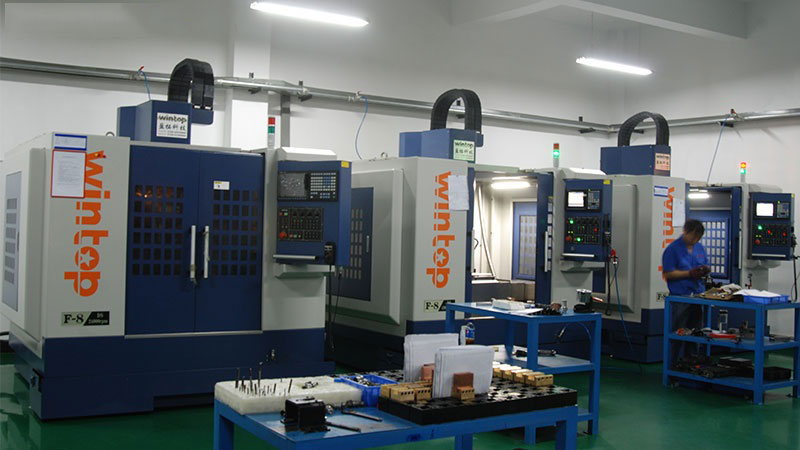
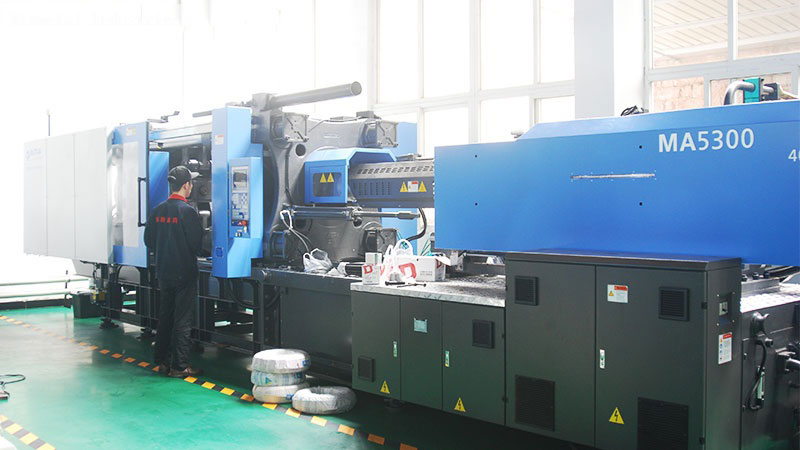
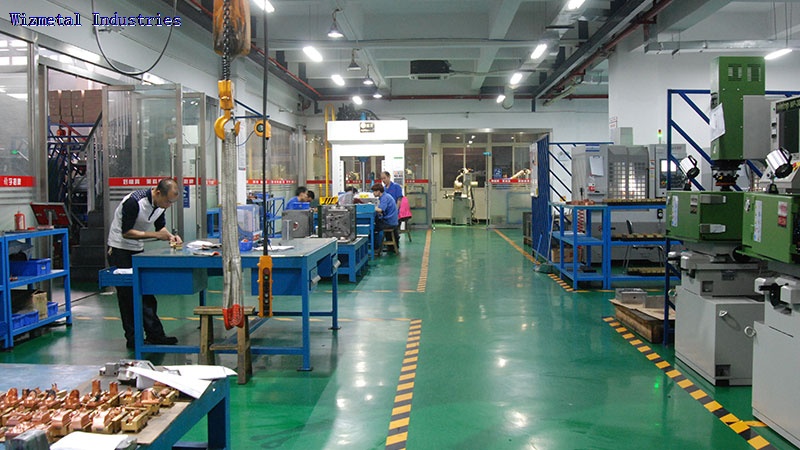
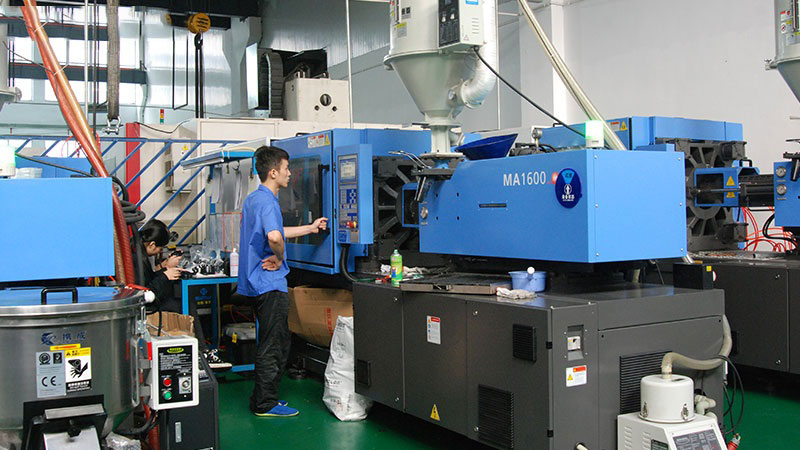
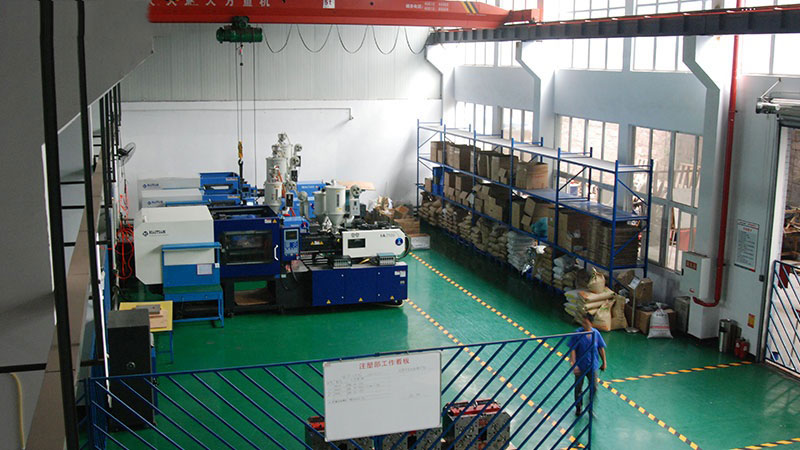
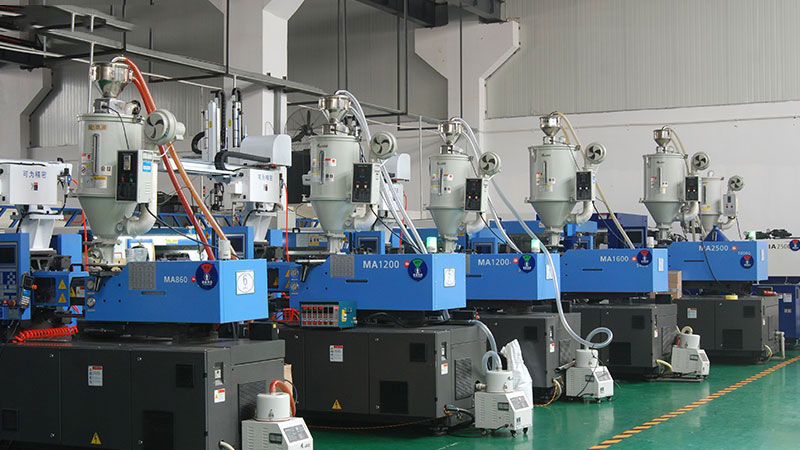
The foundation of managing your custom mold cost effectively begins long before requesting a quote, with rigorous supplier verification. In 2026, digital tools and deep due diligence are your strongest allies. Start by moving past generic B2B platforms to examine a manufacturer’s specialized capabilities. A proficient China mold factory will have a detailed portfolio showcasing complex injection mold projects. Request and verify business licenses, and utilize video calls to conduct virtual factory tours—this is non-negotiable. Pay close attention to their engineering team’s presence and the sophistication of their equipment. Furthermore, check for international quality certifications relevant to your industry. Contacting past overseas clients, if possible, provides invaluable insights into communication reliability and post-sales support. This initial investment in verification prevents costly mistakes related to incompetence or misrepresentation, ensuring your budget is allocated to a capable partner.
Once a shortlist of potential suppliers is established, mastering the quotation process is critical to understanding the true custom mold cost. A professional injection mold manufacturer will not provide a single lump-sum figure immediately. Instead, they will request comprehensive design files (DFM analysis is a key service to expect) and project specifics. Scrutinize the breakdown. What steel grade is specified (e.g., P20, H13, Stainless)? What is the mold life expectancy (number of shots)? Are hot runner systems included, and from which brand? Are all post-processing treatments, testing, and documentation clearly listed? Transparent quotes itemize these elements. Be wary of suspiciously low bids; they often omit critical costs that surface later or indicate the use of inferior materials. Your goal is to compare comprehensive, apples-to-apples proposals that account for the entire mold lifecycle, not just the initial tooling price.
Proactive quality control integration throughout the manufacturing cycle is what separates successful importers from those facing costly rework and delays. Agree on a staged QC protocol with your chosen China mold factory before work begins. This should include material certification reviews upon steel arrival, critical stage inspections (e.g., after CNC machining, EDM, and polishing), and a pre-shipment First Article Inspection (FAI). For critical projects, engaging a trusted third-party quality inspection service within China for the final trial sample evaluation is a highly recommended investment. They can test the mold using production parameters, measure sample parts against your CAD drawings, and provide an unbiased report. This step directly protects your investment by catching defects while the mold is still at the factory, where corrections are exponentially less expensive and faster than after international shipment.
Effective procurement strategy extends beyond the initial purchase to encompass communication, logistics, and intellectual property protection. Establish clear communication protocols: a single point of contact on both sides, scheduled update meetings, and the use of marked-up drawings and videos for issue clarification. For logistics, understand Incoterms 2020 thoroughly—ex-works (EXW) offers lower upfront cost but places full shipping and import responsibility on you, while CIF provides more convenience. Secure a formal Non-Disclosure Agreement (NDA) and consider registering your design in China if the project is highly proprietary. Furthermore, discuss and document post-sales support terms. What is the warranty period? How are repair or modification requests handled? Clarifying these aspects upfront prevents unexpected costs and ensures a sustainable partnership, turning your supplier into a long-term asset for future projects.
In conclusion, managing your custom mold cost when importing from China in 2026 is fundamentally about shifting focus from price hunting to value and risk management. The journey involves meticulous supplier verification, a detailed analysis of quotation breakdowns, an unwavering commitment to integrated quality control, and a strategic approach to procurement logistics. By following this guide, overseas buyers can transform the complexity of sourcing an injection mold from a distant market into a streamlined, predictable, and highly advantageous process. The most reliable manufacturers welcome this level of engagement, as it fosters transparency and partnership. Your ultimate goal is not merely to purchase a tool, but to secure a critical component of your production success with confidence and clarity for years to come.
Work With Us
As a professional China mold manufacturer, we provide one-stop mold solution for overseas buyers.
📞 Phone: +86-18605944639
💬 WhatsApp: +8618605944639
🌐 Website: bestmoldworks.com
📧 Email: [email protected]