Author: moldcustomization

  • injection mould Manufacturerturers in China: Best Sup 2026

    For overseas buyers, sourcing injection molds from China remains a strategic decision to balance high quality with significant cost efficiency. However, the landscape is vast and navigating it to find a truly reliable partner can be daunting. The core challenge is not finding a manufacturer, but identifying the right injection mould manufacturers in China who align with your technical requirements, quality standards, and project timelines. This guide for 2026 cuts through the noise, offering actionable, professional advice to streamline your procurement process and build a successful, long-term supply chain.

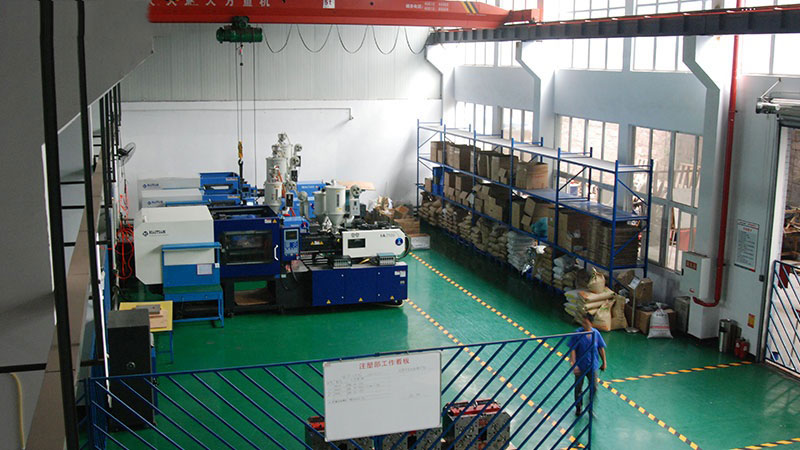
    The foundation of a successful import project lies in rigorous supplier verification. Moving beyond a simple Alibaba search is crucial. Start by defining your precise specifications: mold material (e.g., P20, H13, stainless steel), cavity count, expected lifecycle, and tolerances. Use this detailed brief to screen potential China mold factory partners. Prioritize manufacturers with verifiable certifications like ISO 9001:2015, which indicates a managed quality system, and specific automotive or medical certifications if relevant. Utilize video calls to conduct virtual factory tours; assess their machinery (the presence of modern CNC, EDM, and deep-hole drilling equipment is a strong positive), workshop organization, and in-house capabilities. Crucially, request and contact past overseas clients. A reputable supplier will provide references. This due diligence phase filters out trading companies and under-equipped workshops, directing you toward competent injection mould manufacturers in China.

    Once a shortlist is established, the focus shifts to a structured technical and commercial dialogue. Your initial Request for Quotation (RFQ) must be comprehensive. Beyond part drawings, include a technical data sheet specifying resin type, expected annual volumes, surface finish requirements (SPI standards), and post-molding needs like assembly or packaging. Analyze the quotations you receive meticulously. Be wary of prices that seem too good to be true; they often indicate corner-cutting on material quality or heat treatment. Instead, look for a detailed breakdown that includes mold base source, steel grade, warranty period, and payment terms. A professional injection mold supplier will ask numerous clarifying questions, demonstrating engineering expertise and a proactive approach to risk mitigation. This collaborative dialogue is a key indicator of a partner who will solve problems rather than create them.

    Proactive and transparent quality control is non-negotiable. The most common mistake is waiting until the final inspection before shipment. Implement a staged quality control protocol. Key inspection points should include: a First Article Inspection (FAI) after the mold trial, using Coordinate Measuring Machine (CMM) reports to validate critical dimensions; a Design Review Meeting (DRM) to approve any necessary design changes before steel cutting; and a Pre-Shipment Inspection (PSI) where the final mold is checked against the agreed checklist. Many experienced buyers engage a local third-party quality inspection firm in China to conduct these checks impartially. Clearly define acceptance criteria for sink marks, flash, and ejection pin marks in your contract. This structured QC approach, managed throughout the procurement cycle, protects your investment and ensures the injection mold meets production-ready standards.

    Managing logistics, intellectual property, and the partnership beyond the first order are critical for long-term success. Ensure your contract includes clear terms for IP protection, ownership of the mold design, and penalties for delays. For logistics, decide on Incoterms (FOB is common) and work with your manufacturer to ensure proper mold packaging and crating for ocean freight. A reliable China mold factory will have experience exporting and can handle documentation. Finally, view this as a partnership. The best outcomes arise from clear, consistent communication. Consider using project management tools to track progress. A trustworthy manufacturer will become an extension of your engineering team, offering design for manufacturability (DFM) feedback and support for future maintenance and spare parts. This strategic relationship is the ultimate goal of a diligent sourcing process.

    In conclusion, sourcing from Chinese injection mold manufacturers in 2026 demands a methodical, informed approach centered on verification, clear communication, and embedded quality control. By treating supplier selection as a critical engineering and business decision, you can confidently tap into China’s manufacturing excellence. The “best” supplier is not merely the cheapest, but the one whose capabilities, processes, and commitment to partnership provide reliable, high-quality tooling and support for years to come. Start with a robust verification process, maintain technical rigor throughout development, and you will secure a competitive advantage that extends far beyond initial cost savings.

    Work With Us

    As a professional China mold manufacturer, we provide one-stop mold solution for overseas buyers.
    📞 Phone: +86-18605944639
    💬 WhatsApp: +8618605944639
    🌐 Website: bestmoldworks.com
    📧 Email: [email protected]
  • silicone mould factory: Ultimate Guide for Buyers 2026

    For overseas buyers, the decision to import molds from China represents a significant strategic advantage, offering unparalleled cost efficiency and manufacturing scale. However, navigating the vast landscape of suppliers to find a reliable partner can be daunting. This guide is crafted specifically for procurement professionals and business owners looking to source high-quality silicone and injection molds. We move beyond generic advice to provide a structured, actionable framework for 2026, focusing on supplier verification, precise communication, and robust quality control to ensure your project’s success from the first sample to full production run.

    Mastering Supplier Verification and Vetting

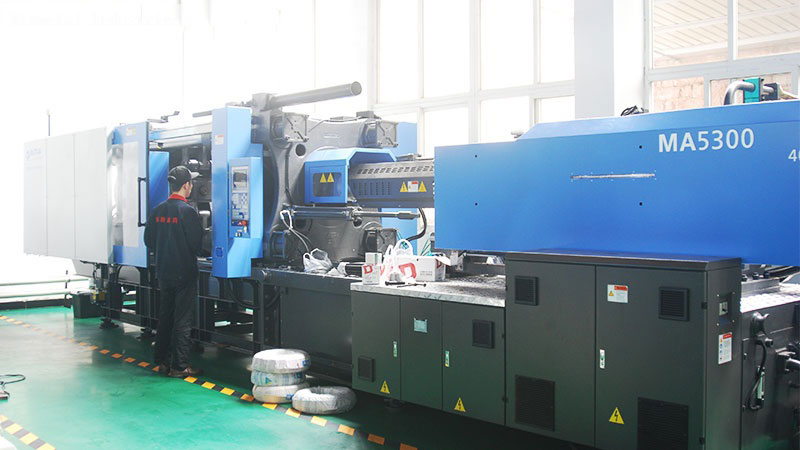
    The foundation of a successful import project is a thoroughly vetted supplier. In 2026, basic online directories are no longer sufficient. Start by identifying a shortlist of potential China mold factories through specialized B2B platforms like Made-in-China.com or Global Sources, but prioritize suppliers with verified transaction records and client reviews. The critical next step is to move beyond the digital facade. Insist on a video conference tour of the manufacturing facility. A reputable silicone mould factory will readily showcase their workshop, machinery (look for CNC, EDM, and injection molding machines), and quality control stations. Request to speak directly with their project engineers. Furthermore, always ask for and contact 2-3 past international clients. This due diligence is your first and most effective filter against underqualified workshops.

    Engineering Communication and Technical Documentation

    Miscommunication in technical specifications is the primary cause of mold defects, delays, and cost overruns. To solve this, professional procurement demands impeccable documentation. Never rely solely on verbal descriptions or simple sketches. You must provide a comprehensive technical data pack, including: detailed 2D drawings (with GD&T tolerances clearly marked), 3D CAD files (STEP or IGS format), and a material specification sheet (e.g., requirement for food-grade silicone or a specific grade of P20 or H13 steel for injection mold). Specify surface finish requirements (SPI standards), cavity pressure expectations, and expected cycle life. During discussions, clarify who is responsible for mold flow analysis (MFA); a competent factory will often perform this to anticipate filling issues and optimize gate design. This level of detail aligns expectations and provides a legal and technical benchmark for the entire project.

    Implementing a Phased Quality Control Protocol

    Quality control cannot be an afterthought; it must be integrated into the procurement timeline. For injection mold projects, implement a staged payment and inspection plan. Key milestones should include: a Design Review Approval, a First Article Inspection (FAI) of the finished mold cavity, and a Trial Run Sample Approval. For a silicone mould factory, the trial run is especially crucial to assess the flexibility, durability, and dimensional accuracy of the final cast products. For overseas buyers, partnering with a third-party quality inspection firm in China for critical on-site checks (like the pre-shipment inspection during the trial run) is a highly recommended investment. They can verify dimensions, material certificates, hardness tests, and functionality, providing an objective report before the balance payment is released and the mold is shipped.

    Navigating Logistics, IP Protection, and After-Sales

    The process does not end when the mold is approved. Secure your intellectual property from the outset with a formal Non-Disclosure Agreement (NDA) and a contract that explicitly states ownership of all design and tooling. Discuss and agree on logistics terms (Incoterms 2020) clearly—typically, EXW or FOB are common. Understand who arranges shipping, handles export customs, and insures the high-value tooling in transit. Crucially, address after-sales support upfront. A professional China mold factory will provide a clear warranty period (e.g., 12-18 months against manufacturing defects) and commit to supplying spare components like ejector pins or heaters. Establish the process and cost structure for future mold modifications or repairs to avoid surprises.

    Conclusion

    Importing molds from China in 2026 requires a blend of meticulous preparation, modern verification tools, and strategic partnership building. By rigorously vetting suppliers, enforcing crystal-clear technical communication, implementing phased quality inspections, and securing contractual and logistical details, overseas buyers can transform the perceived risk of offshore procurement into a reliable competitive edge. The goal is to move from being a one-time customer to a valued long-term partner for a capable Chinese manufacturer. This professional, systematic approach minimizes pitfalls and ensures that your investment in a silicone or injection mold delivers the quality, consistency, and ROI that your business demands.

    Work With Us

    As a professional China mold manufacturer, we provide one-stop mold solution for overseas buyers.
    📞 Phone: +86-18605944639
    💬 WhatsApp: +8618605944639
    🌐 Website: bestmoldworks.com
    📧 Email: [email protected]
  • cooler mould manufacturer in china: Best Suppliers & 2026

    For overseas buyers, sourcing a reliable cooler mould manufacturer in China represents a significant opportunity to achieve cost efficiency, access advanced manufacturing capabilities, and secure a critical component for product assembly. The cooler market, encompassing everything from personal drinkware to large industrial and medical equipment, demands precision, durability, and innovative design—all of which are hallmarks of China’s mature mold-making industry. However, navigating this vast landscape to find a trustworthy partner requires a strategic approach. This guide is designed to provide actionable, professional insights for overseas procurement teams looking to import high-quality injection molds from China in 2026 and beyond, focusing on practical steps for supplier verification and robust quality control.

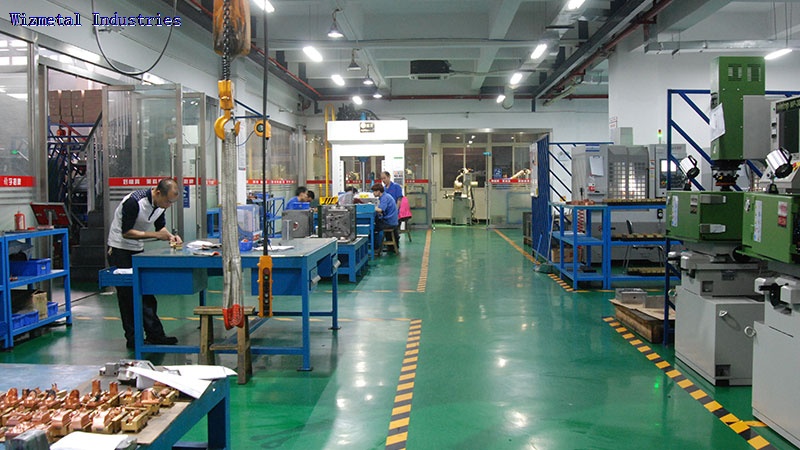
    The foundation of a successful import project lies in meticulous supplier identification and verification. Simply searching online directories is insufficient. Begin by targeting specialized industrial zones, such as those in Ningbo, Dongguan, or Shenzhen, known for concentrated manufacturing expertise. A credible China mold factory will transparently showcase its technical capabilities, including the types of cooling systems it engineers (e.g., conformal cooling for faster cycle times), its experience with food-grade or medical-grade materials, and its portfolio of past cooler projects. Essential verification steps include reviewing business licenses (via platforms like Tianyancha), insisting on video audits of the production floor, and conducting video calls with engineering managers. This process separates trading companies from actual manufacturers and ensures you are engaging with a true technical partner capable of being a long-term cooler mould manufacturer in China.

    Once a shortlist of potential suppliers is established, the focus must shift to technical communication and design for manufacturability (DFM). The most common and cost-effective process for cooler production is injection molding. Clear communication of your specifications—material (like PP, ABS, or insulated stainless steel inserts), cooling performance requirements, cycle time targets, and expected annual volumes—is paramount. A professional China mold factory will provide a detailed DFM report, suggesting optimizations to wall thickness, rib design, and gate locations to prevent warping and ensure consistent cooling performance. This collaborative engineering phase is critical; it prevents costly mold modifications later and demonstrates the supplier’s technical competency. Do not proceed without a comprehensive, agreed-upon DFM analysis.

    Procurement from overseas inherently involves financial and quality risks, making a structured quality control protocol non-negotiable. Your agreement should explicitly define quality milestones. First, a pre-production sample from the finalized mold must be evaluated for dimensional accuracy, surface finish, and assembly fit. Second, implement a First Article Inspection (FAI) report against your CAD drawings. For ongoing production, define the Acceptable Quality Level (AQL) for sampling inspections. Many buyers engage third-party quality inspection services in China to conduct these checks independently at the factory before shipment. Furthermore, discuss the supplier’s internal quality control processes for mold steel hardness, cavity polishing, and hot runner system calibration. A transparent supplier will welcome and facilitate these checks, viewing them as part of a professional partnership.

    Finalizing the commercial terms requires attention beyond unit price. A comprehensive quotation from a cooler mould manufacturer in China should detail mold cost (including base, cavity, core, hot runner system), unit part price, payment terms (e.g., 50% deposit, 40% after sample approval, 10% after shipment), tooling warranty (typically one year for workmanship), and intellectual property (IP) protection clauses in the contract. Logistics planning is equally crucial. Determine Incoterms (FOB is common) and partner with a reliable freight forwarder experienced in handling sensitive and heavy mold shipments. Ensure the supplier provides proper mold preservation, including anti-rust treatment and secure packaging in a wooden crate. Effective post-sales support, such as a commitment to store the mold and provide maintenance, is a key differentiator for a long-term supplier relationship.

    In conclusion, successfully importing a cooler injection mold from China in 2026 is a strategic process that balances technical diligence with commercial savvy. The journey from supplier verification to final shipment hinges on proactive communication, a shared commitment to quality control, and a partnership mindset with your chosen China mold factory. By following the structured steps outlined—deep supplier vetting, collaborative DFM, rigorous inspection protocols, and clear contractual terms—overseas buyers can mitigate risks and unlock the immense value offered by China’s manufacturing sector. The goal is not merely to purchase a tool, but to establish a reliable supply chain asset that will produce high-performance cooler components for years to come, providing a solid competitive advantage in your market.

    Work With Us

    As a professional China mold manufacturer, we provide one-stop mold solution for overseas buyers.
    📞 Phone: +86-18605944639
    💬 WhatsApp: +8618605944639
    🌐 Website: bestmoldworks.com
    📧 Email: [email protected]
  • mould supplier in china: Professional Buying Guide 2026

    For overseas buyers, sourcing precision tooling from China represents a significant strategic advantage, offering a compelling blend of advanced technical capability and cost efficiency. However, navigating the vast landscape of manufacturers to identify a truly reliable partner can be a complex undertaking. This professional guide for 2026 is designed to cut through the noise, providing you with actionable, real-world strategies to streamline your procurement process, mitigate risks, and secure a successful partnership with a top-tier mould supplier in China.

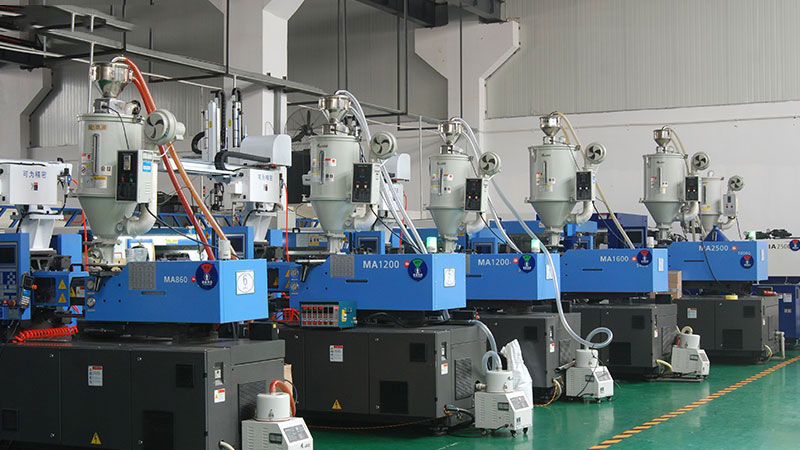
    The cornerstone of any successful import project is rigorous supplier verification. Moving beyond a simple website assessment is non-negotiable in the current market. Begin with a multi-faceted due diligence process. Verify the supplier’s business license via official Chinese platforms and check for relevant industry certifications, such as IATF 16949 for automotive or ISO 13485 for medical devices, which indicate a structured quality management system. However, in 2026, due diligence must go further. Insist on a live video audit of the China mold factory floor. This allows you to visually assess their machinery (e.g., the presence of modern CNC, EDM, and high-speed milling centers), workshop organization, and in-house capabilities. Crucially, request and contact a minimum of three past international clients for references, specifically asking about communication, problem-solving, and post-sales support. This step alone can filter out unqualified candidates more effectively than any brochure.

    Once a shortlist of potential partners is established, mastering the technical and commercial discussion is critical. When requesting a quotation for your injection mold, provide an exceptionally detailed Request for Quotation (RFQ). This should include not only part drawings and 3D files but also explicit specifications: intended material (e.g., PP, ABS, POM), annual production volume, expected cycle time, cavity requirements, mold steel grade (such as 718H, S136, or NAK80), and surface finish expectations. A professional supplier will respond with a comprehensive breakdown, not just a single price. Scrutinize this breakdown. It should detail costs for mold design, materials, labor, trial shots, and any ancillary fees. Be wary of quotes that seem abnormally low; they often signal the use of inferior materials or hidden costs that will emerge later. A transparent quote from a credible mould supplier in china is the first true test of a professional partnership.

    The most pivotal phase of your project occurs during tooling development and quality control (QC). Do not fall into the trap of treating the mold manufacturing process as a black box. Establish clear milestone inspections and a digital communication protocol from the outset. Key inspection points typically include a design review after the 3D mold flow analysis, a steel inspection before machining begins, and a First Article Inspection (FAI) after the initial T1 trial shots. Partner with a reputable third-party quality control agency in China to conduct these on-site inspections. They can verify critical dimensions, material certificates, hardness tests, and the functionality of the injection mold. Furthermore, ensure you receive and approve detailed trial shot reports, including pictures, videos, and CMM data for the T1 samples. This proactive QC approach prevents costly rework after the mold has been shipped and is far more effective than final inspection alone.

    Navigating logistics, intellectual property (IP) protection, and the foundation for long-term collaboration are the final, crucial steps. For logistics, understand Incoterms thoroughly. While EXW (Ex Works) might offer a lower initial price, it places the full burden of international shipping and customs clearance on you. For most buyers, FOB (Free On Board) or CIF (Cost, Insurance, and Freight) terms offered by the supplier are more manageable. Regarding IP, a robust Non-Disclosure Agreement (NDA) is essential, but it must be enforceable in China. Work with your legal counsel to ensure the agreement is binding. For ultimate security, consider splitting the mold manufacturing between two different factories for complex components. Finally, view your chosen China mold factory not as a one-time vendor but as a strategic partner. Clear, documented communication, fair negotiation, and prompt payment build trust and can lead to priority service, continuous improvement on your projects, and better pricing for future procurement needs.

    In conclusion, importing molds from China in 2026 demands a methodical and informed approach that prioritizes verification, clarity, and proactive quality management. The landscape is competitive, and the most reliable suppliers are those who welcome transparency and detailed collaboration. By implementing the strategies outlined in this guide—from conducting thorough live audits and detailed RFQs to enforcing staged inspections and securing your IP—you transform the procurement process from a daunting risk into a controlled, strategic advantage. Your goal is not merely to find a manufacturer but to identify a competent engineering partner capable of delivering precision, consistency, and value, forming the bedrock of your product’s quality for years to come.

    Work With Us

    As a professional China mold manufacturer, we provide one-stop mold solution for overseas buyers.
    📞 Phone: +86-18605944639
    💬 WhatsApp: +8618605944639
    🌐 Website: bestmoldworks.com
    📧 Email: [email protected]
  • injection mold factory in china: Ultimate Guide for Buy 2026

    For overseas businesses, partnering with an injection mold factory in China represents a significant strategic advantage, offering unparalleled expertise, scalability, and cost efficiency. However, navigating this complex landscape to find a reliable partner can be daunting. This guide is crafted for 2026, reflecting the current market maturity and technological advancements, to provide you with a clear, actionable roadmap. We move beyond generic advice to solve the real problems you face in supplier verification, communication, quality control, and logistics. Our goal is to equip you with the knowledge to transform your procurement process from a risky venture into a streamlined, successful partnership.

    The foundational step, and perhaps the most critical, is conducting thorough supplier verification. The term “China mold factory” encompasses a vast spectrum, from highly automated, certified facilities to smaller, less equipped workshops. Your first task is to distinguish between them. Begin by scrutinizing business licenses and registrations. Utilize international verification platforms and insist on detailed company profiles that outline their history, annual output, and key clientele. In 2026, a credible supplier should have a robust digital footprint. Analyze their website for technical blogs, case studies, and detailed service explanations—not just a product gallery. Request virtual factory tours via video call; a reputable injection mold manufacturer will readily showcase their shop floor, machinery brand (like Haitian, Engel, or Fanuc), and quality control stations. This proactive verification mitigates the primary risk of engaging with an unqualified partner.

    Once a potential partner is identified, mastering technical communication and prototyping is essential. Ambiguity in design specifications is the root cause of most project failures. Develop comprehensive and standardized documentation: 3D CAD files (STEP or IGS), 2D drawings with GD&T (Geometric Dimensioning and Tolerancing) callouts, and a detailed product requirements sheet covering material type, cavity count, expected cycle time, and surface finish (e.g., SPI standards). Employ collaborative project management tools that allow for markups and version control. Before committing to full production, insist on a prototyping phase. A professional injection mold factory will manage this process, often using the same steel for the prototype mold core to test material flow and part performance. This stage is your opportunity to validate design for manufacturability (DFM) feedback and make low-cost adjustments, preventing expensive mold modifications later.

    Implementing a rigorous quality control framework from the start is non-negotiable. Do not assume standards; define and agree upon them contractually. Discuss and document the Quality Control plan during the quoting stage. Key checkpoints include a First Article Inspection (FAI) report against your drawings, a Design Failure Mode and Effect Analysis (DFMEA) from the supplier, and a pre-shipment inspection. For critical components, consider engaging a trusted third-party quality inspection service within China to conduct on-site audits during the Trial Out (T1) sample stage and at production readiness. Focus on the mold itself—its hardness, finish, and functionality—as much as the final plastic parts. A reliable China mold factory will have dedicated QC teams and instruments like CMMs, profilometers, and colorimeters. Your active involvement in this process ensures the injection mold meets your precise specifications and longevity expectations.

    Understanding the total cost structure and contractual safeguards is vital for a sustainable partnership. The lowest quote often carries hidden expenses. A transparent injection mold factory in china will provide a breakdown covering mold base steel, core/cavity material, components (like hot runners from brands such as Yudo or Mold Masters), labor, and profit. In 2024, consider factors like energy costs and environmental compliance, which can affect pricing. Your contract must be explicit. It should detail payment terms (e.g., 30-50% deposit, 40% after T1 sample approval, 10% after shipment), intellectual property (IP) ownership clauses stating all design and tooling rights belong to you, warranty period for the mold (typically 12-24 months against manufacturing defects), and protocols for handling delays or non-conforming goods. This legal clarity protects your investment and defines the relationship’s boundaries.

    Finally, plan for logistics, after-sales support, and long-term collaboration. The journey does not end when the mold is shipped. Discuss incoterms (FOB, EXW, CIF) clearly to understand responsibilities and costs. For mold shipment, professional crating and insurance are mandatory. Establish the process for after-sales support: How will they handle mold maintenance, repair, or modification requests? Who covers the cost of wear-and-tear parts? A forward-thinking supplier will offer digital support, such as access to maintenance logs or remote troubleshooting. Viewing this procurement as the start of a long-term relationship can yield dividends. A trusted partner will proactively suggest design optimizations for future projects, offer favorable terms for repeat business, and help you scale efficiently, turning your initial procurement challenge into a lasting competitive advantage.

    Successfully importing molds from China in 2026 demands a blend of diligent verification, precise communication, enforced quality standards, smart contracting, and strategic relationship management. The landscape is sophisticated, and so must be your approach. By following this structured guide, you move from being a passive buyer to an informed partner. You can confidently engage with a Chinese injection mold manufacturer, leveraging their advanced capabilities while maintaining control over quality, cost, and intellectual property. The ultimate goal is to build a supply chain partnership that is not just about cost savings, but about reliability, innovation, and mutual growth for years to come.

    Work With Us

    As a professional China mold manufacturer, we provide one-stop mold solution for overseas buyers.
    📞 Phone: +86-18605944639
    💬 WhatsApp: +8618605944639
    🌐 Website: bestmoldworks.com
    📧 Email: [email protected]

  • custom molds for plastic: Reliable Manufacturers Guide 2026

    For overseas buyers, sourcing custom molds for plastic from China represents a significant opportunity for cost efficiency and advanced manufacturing capability. However, the path to a successful partnership can be fraught with challenges—communication gaps, inconsistent quality, and supplier reliability concerns. This guide is designed to cut through the noise and provide a clear, actionable framework for your procurement journey in 2026. We will focus on practical steps to identify, verify, and collaborate with a professional China mold factory to ensure your injection mold project meets exact specifications, budget, and timeline.

    Begin with Deep Supplier Verification and Capability Assessment. The foundation of a successful import project is a thoroughly vetted partner. In 2024, moving beyond Alibaba listings is crucial. Start by identifying manufacturers with a proven track record in your specific industry, whether it be automotive components, consumer packaging, or medical devices. Request detailed case studies and client references, preferably from companies in your region. A professional China mold factory should readily provide evidence of their engineering expertise, such as DFM (Design for Manufacturability) reports, which demonstrate proactive problem-solving before tooling begins. Verify their machinery list; modern, high-precision CNC, EDM, and CMM inspection equipment are non-negotiable for quality injection mold production. This stage of procurement is about due diligence, ensuring the supplier possesses not just the tools, but the technical depth for your custom molds for plastic.

    Master Communication and Technical Documentation. Ambiguity is the primary cause of project failure. To solve this, establish crystal-clear communication protocols from the outset. Insist on a single, technically proficient point of contact who speaks functional English and understands engineering drawings. All specifications—material grade (e.g., POM, PP, ABS), cavity pressure, cooling channel layout, surface finish (SPI standards), and tolerance levels—must be documented in a mutually signed technical agreement. Utilize 3D models (STEP or IGES files) alongside 2D drawings with GD&T (Geometric Dimensioning and Tolerancing). This eliminates assumptions. Schedule regular video conference reviews during key phases: mold design, first article inspection, and pre-shipment. Professional suppliers expect and respect this structured approach, as it protects both parties and ensures the final injection mold aligns perfectly with your production needs.

    Implement a Rigorous, Multi-Stage Quality Control Process. Quality cannot be an afterthought; it must be engineered into the process. Your agreement must outline a staged QC plan with clear milestones. The first critical stage is the T1 sample approval. Before mass production, you must receive and test physical samples from the initial mold. Evaluate these for dimensional accuracy, material performance, and cosmetic finish. The second stage involves audit reports. Require the supplier to provide documented evidence like material certificates for mold steel (e.g., H13, S136), mold flow analysis results, and photos/videos of the inspection process using CMM and other gauges. For high-value projects, engaging a local third-party inspection service in China for a pre-shipment audit is a highly recommended investment. This independent verification of the injection mold’s workmanship and sample quality provides invaluable peace of mind before the tool leaves the factory.

    Navigate Logistics, IP Protection, and Long-Term Partnership. The journey does not end at factory acceptance. Address logistics and legalities upfront. Clarify incoterms (EXW, FOB, etc.) to define responsibility and cost from the machine shop to your doorstep. Ensure proper mold packaging—typically wooden crates with waterproofing and shock absorption—to prevent transit damage. Intellectual property protection is a valid concern. A reputable manufacturer will sign a comprehensive NDA (Non-Disclosure Agreement) and may even offer compartmentalized production for sensitive projects. Frame the relationship as a strategic partnership. Discuss post-sales support: what is the warranty period for workmanship? How are repair and maintenance handled? A reliable partner views the creation of your custom molds for plastic as the start of a long-term relationship, offering support for mold modifications, maintenance, and future projects.

    Conclusion

    Importing custom molds for plastic from China in 2026 demands a strategic, informed approach that prioritizes verification, clear communication, and embedded quality control. By meticulously vetting your China mold factory, mastering technical documentation, implementing staged QC checks, and securing the logistical and legal framework, you transform a complex procurement challenge into a competitive advantage. The goal is to move beyond a simple transaction to build a collaborative partnership with a manufacturer that acts as an extension of your engineering team. With this guide as your roadmap, you are equipped to navigate the market confidently, securing high-quality injection molds that drive your product’s success for years to come.

    Work With Us

    As a professional China mold manufacturer, we provide one-stop mold solution for overseas buyers.
    📞 Phone: +86-18605944639
    💬 WhatsApp: +8618605944639
    🌐 Website: bestmoldworks.com
    📧 Email: [email protected]

  • custom injection molding services: Best Suppliers & Qua 2026

    For overseas buyers, sourcing custom injection molding services from China remains a powerful strategy to achieve cost efficiency, scalability, and rapid prototyping. However, the landscape in 2026 is defined not just by competitive pricing but by advanced technological integration and a sharper focus on supply chain resilience. Navigating this market to identify the best suppliers and guarantee uncompromising quality requires a modern, systematic approach. This guide provides actionable insights to streamline your procurement process, mitigate risks, and build a successful partnership with a leading China mold factory.

    The cornerstone of a successful import project is rigorous supplier verification. Moving beyond basic Alibaba listings is crucial in 2026. Start by identifying manufacturers with a proven track record in your specific industry, whether automotive, medical, consumer electronics, or packaging. Utilize professional B2B platforms that verify business licenses and export credentials. The most critical step, however, is a virtual or in-person audit. Request a live video tour of their facility; observe the machinery brand and condition, workshop organization, and the engineers at work. Scrutinize their project portfolio for molds and parts similar to your complexity and material requirements. A reputable injection mold supplier will transparently share client references and case studies, demonstrating their capability from design for manufacturability to full production.

    Once a potential partner is shortlisted, mastering the quotation and technical review phase is essential. A professional China mold factory will provide a detailed breakdown, not a single lump sum. This should itemize costs for mold design, mold base and steel grade, cavity and core machining, hot runner system, and per-part piece price. In 2026, clarify their stance on mold ownership and storage. Discuss their prototyping process—do they offer 3D printed prototypes for form and fit, and soft tooling for functional testing before committing to the high-cost production mold? During technical alignment, insist on a formal Design for Manufacturability analysis. Experienced engineers will suggest modifications to part geometry, wall thickness, gate locations, and ejection to enhance moldability, reduce cycle time, and improve final part quality, ultimately saving you cost and time.

    Proactive quality control integrated throughout the manufacturing lifecycle is non-negotiable. Agree on a comprehensive Quality Control Protocol before order confirmation. This protocol should define key checkpoints: First Article Inspection using Coordinate Measuring Machine reports against your CAD data, material certification reviews, and process validation during T1 sample trials. For ongoing production, specify the frequency and sampling plan for dimensional checks and visual inspections. Many top-tier suppliers now offer real-time monitoring; you can request access to a portal for viewing production progress and key quality metrics. For high-volume or critical parts, consider engaging a local third-party inspection agency for pre-shipment audits. This layered QC approach ensures the injection mold and the subsequent parts meet your specifications consistently, preventing costly defects from reaching your assembly line.

    Effective communication and project management are the glue that holds the international procurement process together. Establish a single point of contact on both sides who possesses both technical and commercial understanding. Utilize collaborative tools for clear communication; shared cloud folders for drawings and revisions, and regular scheduled video conference updates are standard in 2026. Clearly document all agreements in a purchase contract covering payment terms, intellectual property protection, delivery schedule with penalties for delays, and protocols for handling non-conforming products. Understanding Incoterms is vital; FOB is common, but for simpler logistics, discuss EXW or CIF options based on your freight forwarder’s advice. A professional partner will manage this process smoothly, providing regular updates and transparently addressing any issues that arise.

    Building a long-term partnership with your chosen supplier yields significant strategic advantages. View your initial mold project as an investment in a relationship. A reliable partner will support you with engineering change orders for product iterations, provide maintenance for your injection mold, and offer preferential pricing for future projects. Their deep understanding of your quality standards and expectations streamlines all subsequent procurement. In the dynamic market of 2026, such a partnership provides not just a source of supply, but a resilient extension of your manufacturing capability, allowing you to innovate and scale with confidence.

    In conclusion, securing the best custom injection molding services from China in 2026 demands a blend of diligent verification, technical collaboration, and structured quality governance. By focusing on suppliers who demonstrate transparency, engineering expertise, and a commitment to partnership, overseas buyers can unlock exceptional value. The goal transcends finding a vendor; it is about integrating a capable, quality-driven China mold factory into your supply chain. With this strategic approach, you can confidently navigate the procurement journey, ensuring that the quality of your final plastic components matches the sophistication of the injection mold that produces them.

    Work With Us

    As a professional China mold manufacturer, we provide one-stop mold solution for overseas buyers.
    📞 Phone: +86-18605944639
    💬 WhatsApp: +8618605944639
    🌐 Website: bestmoldworks.com
    📧 Email: [email protected]

  • injection mold manufacturers in china: Reliable Manufac 2026

    For overseas buyers, the decision to import molds from China represents a significant strategic advantage, offering unparalleled cost efficiency and manufacturing scale. However, navigating the vast landscape of suppliers to find truly reliable injection mold manufacturers in China can be a daunting task filled with potential pitfalls. As we look toward 2026 and beyond, the criteria for a successful partnership are evolving beyond simple price comparison. This guide provides actionable, professional insights to help you identify and collaborate with dependable China mold factories, ensuring your injection mold procurement drives value, quality, and innovation for your business.

    Conducting Rigorous Supplier Verification Beyond the Surface

    The first and most critical step is moving beyond Alibaba listings and polished websites. A reliable partner in 2026 is defined by transparency and verifiable capability. Begin by requesting a detailed company profile that includes factory location, year of establishment, number of employees, and, crucially, a list of major overseas clients. Use video conferencing tools to conduct real-time virtual factory tours; insist on seeing the production floor, quality control stations, and testing equipment rather than a staged presentation. Verify business licenses and export credentials. Furthermore, check for relevant industry certifications. A manufacturer investing in international standards demonstrates a commitment to systematic processes and is more likely to understand and meet your specific quality expectations. This foundational verification separates serious injection mold manufacturers in China from trading companies or under-resourced workshops.

    Defining Specifications and Communication Protocols with Precision

    Ambiguity is the root cause of most procurement failures. To mitigate this, develop an exceptionally detailed technical data package. This should include fully dimensioned 3D CAD files, 2D drawings with critical tolerances and surface finish requirements, material specifications, and expected annual volumes. Clearly outline the mold lifecycle expectations and any requirements for future modifications. Equally important is establishing a clear communication protocol. Identify a dedicated project manager on both sides and agree on regular update schedules using platforms like email or Microsoft Teams. Discuss and confirm the language capabilities of the engineering team. A professional China mold factory will ask clarifying questions and may suggest design for manufacturability improvements, which is a strong indicator of expertise and proactive partnership.

    Implementing a Phased Payment and Quality Control Milestone Plan

    Financial terms should protect both parties and be tied to tangible deliverables. Avoid large upfront payments. A structured, milestone-based payment plan aligns interests and provides leverage. A common and effective structure could be: 30% upon order confirmation, 40% upon approval of first article inspection reports, and 30% upon completion before shipment. This framework necessitates integrated quality control checkpoints. Require documentation at each stage: material certificates for the chosen steel, photos of the CNC machining process, and especially a comprehensive First Article Inspection report. For critical projects, budget for a third-party inspection service to conduct an on-site Pre-Shipment Inspection. This focuses on dimensional accuracy, material conformity, and mold functionality. This phased approach to payment and QC minimizes financial risk and ensures the injection mold meets your specifications before it leaves the factory.

    Planning for Logistics, IP Protection, and Long-Term Partnership

    Securing a perfect mold is only part of the journey. Discuss logistics and incoterms explicitly with your supplier. Understand who is responsible for freight, insurance, and customs clearance. Reliable manufacturers often have experience shipping delicate molds and can recommend packaging methods and trusted freight forwarders. Intellectual property protection is a valid concern. While China has strengthened its IP laws, practical steps are essential. Sign a comprehensive Non-Disclosure Agreement and consider filing for design patents in China. Work with factories that have a reputation to uphold; larger, established injection mold manufacturers in China are generally more reliable custodians of your IP as their business relies on long-term client relationships. View your chosen supplier not as a one-time vendor but as a strategic extension of your manufacturing. A successful project in 2026 lays the groundwork for ongoing support, maintenance, and future mold development.

    Conclusion

    Importing molds from China remains one of the most effective strategies for global businesses to maintain competitiveness. The path to success in 2026 is built on a foundation of meticulous verification, precise communication, structured quality control, and strategic partnership planning. By implementing these professional and actionable steps, you transform the procurement process from a risky venture into a reliable engine for your product development and manufacturing goals. The right China mold factory is more than a supplier; it is a collaborative partner capable of delivering the precision, quality, and innovation your products require in the global marketplace. Start your search with these principles, and you will be well-positioned to build a profitable and enduring manufacturing relationship.

    Work With Us

    As a professional China mold manufacturer, we provide one-stop mold solution for overseas buyers.
    📞 Phone: +86-18605944639
    💬 WhatsApp: +8618605944639
    🌐 Website: bestmoldworks.com
    📧 Email: [email protected]

  • customized plastic mould Manufacturerturer in China: Ex 2026

    For overseas businesses, sourcing a reliable customized plastic mould manufacturer in China represents a significant strategic advantage, offering unparalleled cost efficiency and manufacturing scalability. However, navigating this complex landscape, especially with evolving industry standards and technologies projected into 2026, requires a methodical and informed approach. The core challenge is not simply finding a supplier but identifying a true manufacturing partner capable of translating your design into a high-precision, durable mold that meets exacting quality and timeline expectations. This guide cuts through the noise to provide actionable, professional strategies for your procurement success, focusing on the critical verification and collaboration processes that define excellence in injection mold manufacturing.

    The foundation of a successful import project lies in rigorous supplier verification, moving far beyond basic online directories. Begin with a multi-faceted assessment of potential China mold factory candidates. Scrutinize their technical portfolios, paying close attention to projects similar in complexity, material, and industry to your own. Essential verification steps include requesting detailed company audits, verifying business licenses, and insisting on virtual or, ideally, in-person facility tours. During these tours, evaluate their machinery—modern CNC, EDM, and high-speed milling equipment are indicators of capability. Critically, assess their in-house tooling and design team. A manufacturer with strong engineering support can proactively solve design for manufacturability issues, potentially saving substantial cost and time. This due diligence phase is non-negotiable for mitigating risk and establishing a credible shortlist of partners.

    Once a potential partner is identified, mastering the technical and commercial quotation process is your next hurdle. A professional customized plastic mould manufacturer in China will provide a detailed breakdown, not a single lump sum. Expect and demand a quote that separates costs for mold design, mold base, cavity and core machining, hot runner systems, surface treatments, and sampling. This transparency allows for accurate comparison and value engineering discussions. Clearly define all specifications upfront: expected annual production volume, part material, cosmetic requirements, tolerance levels, and lifecycle expectations. This clarity prevents costly change orders later. Furthermore, discuss intellectual property protection protocols upfront, ensuring a signed NNN agreement is in place before sharing any detailed designs. This structured approach to procurement establishes a professional framework for the entire project.

    The true test of any China mold factory occurs during the production and quality control phases. Implementing a staged inspection protocol is the most effective way to ensure quality aligns with your standards. Key inspection milestones include the First Article Inspection after initial sampling and critical pre-shipment inspections during mold trial runs. If on-site presence is not feasible, partner with a reputable third-party quality control agency in China to conduct these inspections. They will check for critical factors such as mold steel grade hardness, cooling channel efficiency, venting, ejection mechanisms, and the quality of the final molded parts against your approved samples. Effective quality control is proactive, not reactive. Insist on regular progress reports with photos and videos, and maintain open, continuous communication with the project manager to address any deviations immediately.

    Successful long-term partnership extends beyond the delivery of a single mold. Consider the total cost of ownership, which includes maintenance, repair, and potential future modifications. A forward-looking supplier will provide comprehensive mold documentation, including design drawings, maintenance schedules, and a list of spare parts. Discuss their after-sales support structure. Will they store your mold? What are their lead times for repair services? As you plan for 2026 and beyond, also evaluate their readiness for industry trends, such as adopting sustainable materials or integrating IoT sensors for predictive maintenance in high-volume production scenarios. Building a relationship with a manufacturer invested in continuous improvement and technological adoption ensures your supply chain remains competitive and resilient.

    Importing injection molds from China is a proven pathway to achieving product market goals with exceptional value. The journey, from initial supplier verification to final quality control and beyond, demands a strategic and detail-oriented mindset. By focusing on deep technical collaboration, transparent procurement practices, and unwavering quality assurance, you can confidently engage with a professional customized plastic mould manufacturer in China. As the industry advances toward 2026, those partnerships built on clarity, mutual respect, and a shared commitment to excellence will yield not just superior tooling, but a formidable competitive edge in the global marketplace.

    Work With Us

    As a professional China mold manufacturer, we provide one-stop mold solution for overseas buyers.
    📞 Phone: +86-18605944639
    💬 WhatsApp: +8618605944639
    🌐 Website: bestmoldworks.com
    📧 Email: [email protected]

  • custom molds for aluminum: Reliable Manufacturers Guide 2026

    For overseas buyers, sourcing custom molds for aluminum represents a critical strategic decision. The right mold is the foundation of product quality, production efficiency, and long-term cost-effectiveness. China remains the global epicenter for mold manufacturing, offering unparalleled expertise and scale. However, navigating this vast market to identify a truly reliable partner requires a methodical, informed approach. This guide for 2026 cuts through the noise, providing actionable strategies to streamline your procurement process and secure a partnership with a China mold factory that delivers precision, durability, and value.

    Conducting Deep Supplier Verification Beyond Surface Checks

    The first and most crucial step is moving beyond Alibaba listings and basic websites. In 2026, supplier verification is a multi-layered due diligence process. Start by verifying the company’s legal business license and export credentials. Request a virtual or recorded factory tour, specifically asking to see their workshop dedicated to aluminum injection mold production. Look for evidence of experience with projects similar in size and complexity to yours. A professional China mold factory will readily provide detailed case studies, not just glossy images. Crucially, insist on speaking directly with their project engineers and quality control managers during these tours. This interaction reveals their technical communication capability and problem-solving mindset, which are as important as their machinery. Third-party verification platforms and industry-specific B2B directories can provide additional credibility checks and peer reviews.

    Mastering Technical Communication and Design for Manufacturability

    Miscommunication in technical specifications is the primary cause of mold failure, delays, and cost overruns. To mitigate this, develop exceptionally clear and comprehensive technical documentation. This should include fully detailed 3D CAD files (STEP or IGES), 2D drawings with GD&T tolerances clearly marked, and a detailed specification sheet. This sheet must cover the aluminum alloy you intend to use, expected annual production volume, cycle time targets, cavity requirements, and surface finish specifications. Engage your potential supplier in a Design for Manufacturability (DFM) review early in the process. A competent partner will analyze your design and suggest modifications to improve mold flow, reduce wear, simplify ejection, and enhance cooling—all of which extend mold life and improve part quality. This collaborative step separates order-takers from true engineering partners.

    Implementing a Rigorous, Phased Quality Control Protocol

    Quality cannot be inspected into a product; it must be built into the process. Your agreement must outline a phased quality control protocol with clear milestones and documentation. This typically includes a First Article Inspection Report (FAIR) after the initial sample is produced from the finished mold. Critical to the process is the Pre-Shipment Inspection (PSI), where the mold itself is rigorously tested at the factory. For an aluminum injection mold, this involves checking critical dimensions, material certifications for mold steel (such as H13 or 8407), hardness reports, the functionality of the cooling system, and a sample trial run to validate part quality and cycle time. Insist on high-resolution photos and videos of each stage. Consider engaging a local third-party inspection agency familiar with mold validation to conduct the final PSI, providing an unbiased assessment before the mold leaves the factory.

    Structuring Contracts and Logistics for Long-Term Success

    A clear, detailed contract protects both parties and sets the foundation for a successful long-term relationship. Beyond price and delivery time, the contract must explicitly cover key terms: warranty period (typically 12-24 months for molds), scope of warranty coverage (repair vs. replacement), responsibilities for repair costs and logistics, terms for mold modification, and intellectual property protection clauses. Discuss and agree on packaging standards—molds require robust, moisture-resistant crating for ocean freight. Clarify incoterms; FOB is common, but you may consider CFR for more control over shipping. Ensure the supplier provides a complete set of documentation, including final inspection reports, material certificates, mold drawings, and a comprehensive maintenance manual. This manual is vital for your production team to properly care for the asset.

    Building a Partnership, Not Just a Transaction

    The most successful import ventures view their Chinese mold supplier as a strategic extension of their own manufacturing capability. Foster open, regular communication through established channels like email and video calls. Schedule periodic reviews post-delivery to discuss mold performance and any maintenance issues. A reliable partner will be proactive in offering spare components like ejector pins or seals and will support you throughout the mold’s lifecycle. This approach transforms a single procurement transaction into a valuable partnership that can yield consistent quality, iterative design improvements, and cost advantages for future projects. In the competitive landscape of 2026, this relational depth is a significant competitive advantage.

    Conclusion

    Importing custom molds for aluminum from China in 2026 demands a blend of rigorous verification, technical clarity, and strategic partnership building. By implementing a thorough supplier verification process, mastering technical communication, enforcing phased quality control, and structuring clear contracts, overseas buyers can significantly de-risk their procurement. The goal is to move beyond finding the lowest cost to identifying the highest value partner—a China mold factory with the engineering prowess, quality ethos, and communication skills to deliver a precision tool that drives your production success for years to come. With this guide as your framework, you are equipped to make informed decisions and build a supply chain asset that delivers reliability and performance.

    Work With Us

    As a professional China mold manufacturer, we provide one-stop mold solution for overseas buyers.
    📞 Phone: +86-18605944639
    💬 WhatsApp: +8618605944639
    🌐 Website: bestmoldworks.com
    📧 Email: [email protected]
