Author: moldcustomization

  • custom injection molded parts: Complete Procurement Gu 2026

    For overseas buyers and product developers, sourcing custom injection molded parts represents a critical path to innovation and cost efficiency. China remains the global epicenter for mold manufacturing and high-volume plastic part production, offering unparalleled expertise and scalability. However, navigating this complex landscape requires an updated, strategic approach to mitigate risks and ensure project success. This 2026 procurement guide is designed to provide you with a professional, actionable framework for partnering with Chinese manufacturers to secure high-quality custom injection molded parts, from initial concept to final shipment.

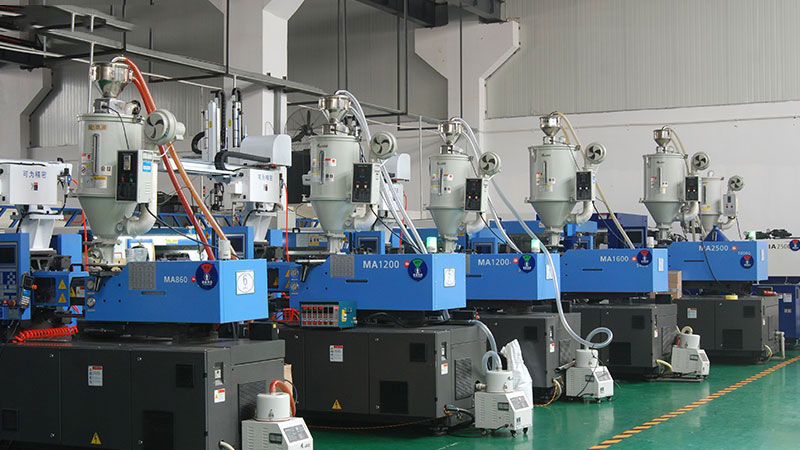
    The foundation of any successful project lies in selecting the right China mold factory. The market is vast, with capabilities ranging from highly automated, vertically integrated giants to specialized, nimble workshops. Your first step must be rigorous supplier verification. Move beyond Alibaba storefronts. Demand detailed documentation: business licenses, export records, and certifications relevant to your industry, such as IATF 16949 for automotive or ISO 13485 for medical devices. Utilize video conferencing to conduct virtual factory tours, paying close attention to their machine park for both mold making and injection molding. A supplier with in-house capabilities for both tooling and production offers better control over timelines and quality. Crucially, request and contact references from their existing overseas clients, particularly those in your region or sector. This due diligence is your primary shield against underperformance.

    Once a potential partner is identified, the technical and commercial negotiation phase begins. Here, clarity is paramount. Your request for quotation must be a comprehensive package. Include not just a 3D model, but a detailed specification covering material grade, color, part weight, critical dimensions and tolerances, surface finish requirements, and expected annual volumes. For the injection mold itself, specify mold steel type, expected lifespan, cooling channel design, and maintenance expectations. A professional China mold factory will analyze your design for manufacturability. Welcome this feedback; their suggestions on draft angles, wall thickness uniformity, and gate locations can significantly reduce cost and improve part quality. Be explicit about intellectual property protection, signing a non-disclosure and mold ownership agreement before exchanging sensitive design data. Remember, the cheapest tooling quote often leads to the highest total cost when considering part quality, maintenance, and longevity.

    Effective quality control is non-negotiable and must be structured in stages. Do not wait until production to inspect your parts. Insist on a First Article Inspection report after the initial mold trial. This should include dimensional reports from coordinate measuring machines, material certification, and photographs of the parts. Many buyers now employ third-party quality inspection firms in China to conduct this evaluation independently. During mass production, define your acceptable quality level and require statistical process control data from the injection molding production runs. For critical components, consider implementing pre-shipment inspections for each batch. Furthermore, discuss the protocol for handling deviations. Who is responsible for sorting costs if a defect is found? How are sample approvals managed? Establishing these procedures upfront transforms quality from an abstract hope into a managed, contractual process.

    Logistics, payment, and long-term partnership management are the final pillars of your procurement strategy. Understand the incoterms for your shipment. FOB is common, giving you control over shipping and insurance. For new partnerships, a staggered payment schedule is wise, such as 30-50% with order, 40% after sample approval, and the balance before shipment. This aligns incentives throughout the project. After successful procurement, view your supplier as a strategic partner. Provide constructive feedback, forecast future demand, and discuss continuous improvement. A reliable China mold factory that understands your standards and expectations is a tremendous asset for future projects involving custom injection molded parts. In the dynamic 2026 market, this relationship is more valuable than any single price reduction.

    In conclusion, procuring custom injection molded parts from China in 2026 demands a blend of meticulous verification, technical collaboration, structured quality control, and strategic relationship management. The landscape is sophisticated, and success is achieved by buyers who approach the process with professional rigor and clear communication. By following this guide, you move beyond being a simple price shopper to becoming an informed partner. This enables you to leverage China’s manufacturing prowess effectively, securing not just cost savings, but also the quality, reliability, and innovation required to bring your product vision to the global market with confidence. Your journey begins with the right partner and is sustained through a commitment to professional procurement principles.

    Work With Us

    As a professional China mold manufacturer, we provide one-stop mold solution for overseas buyers.
    📞 Phone: +86-18605944639
    💬 WhatsApp: +8618605944639
    🌐 Website: bestmoldworks.com
    📧 Email: [email protected]
  • cooler mould manufacturer in china: Ultimate Guide for 2026

    For overseas buyers, sourcing a reliable cooler mould manufacturer in China represents a significant strategic advantage. The combination of advanced engineering, cost-effectiveness, and scalable production is compelling. However, navigating this complex landscape requires more than just a simple supplier search; it demands a structured approach to procurement, verification, and quality management. This guide is designed to cut through the noise and provide you with a professional, actionable framework for successfully importing high-quality injection molds from China in 2026 and beyond. We will focus on solving real problems you face, from identifying capable factories to ensuring the final product meets your exact specifications.

    The journey begins with precise definition and targeted sourcing. A cooler mold is not a generic product; it must be engineered for specific requirements like material (PP, ABS, or premium rotomolding grades), cooling efficiency, structural integrity, and features such as drain plugs, tie-down slots, or integrated cup holders. Start by creating a comprehensive technical package including 3D drawings, material specifications, expected cycle times, and annual volume projections. This clarity is your most powerful tool. When searching for a China mold factory, move beyond generic B2B platforms. Utilize industry-specific directories, attend specialized trade shows like Chinaplas, and seek referrals from within your network. Focus your search on suppliers whose portfolios demonstrate proven experience in consumer goods, durable plastics, and specifically cooler or similar container manufacturing. This targeted approach filters out generalists and connects you with specialists from the outset.

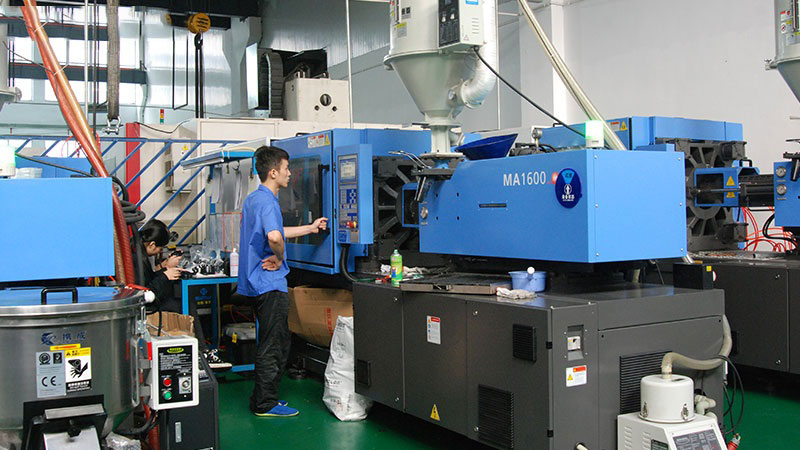
    Once you have a shortlist, rigorous supplier verification becomes your critical next step. In 2024, due diligence is multi-faceted. Start with a deep analysis of their technical capabilities: do they have in-house design engineering, CNC machining, EDM, and mold testing facilities? Request detailed case studies and contact past international clients. A mandatory step is a virtual or, ideally, in-person factory audit. Assess their workshop organization, machinery maintenance, and quality control processes on the shop floor. Verify business licenses and export credentials. Crucially, discuss their project management structure: who will be your single point of contact? How do they handle communication and time zone differences? A professional cooler mould manufacturer in China will be transparent, responsive, and eager to demonstrate their operational maturity. This phase is about building confidence in their ability to execute, not just their price point.

    The core of your engagement lies in the technical and commercial negotiation. Here, a deep understanding of the injection mold manufacturing process is key. Discuss the mold design in detail: steel grade (e.g., P20, H13 for longer life), cooling channel layout, gate type, and ejection system. These decisions directly impact part quality, cycle time, and mold longevity. The commercial proposal should be broken down transparently: mold base cost, cavity and core machining, hourly rates for EDM, and assembly. Be clear on payment terms; a common and balanced structure is 30-40% deposit, 40-50% before shipment, and 10-20% after sample approval. Always insist on a detailed timeline with milestones for design review, T1 sample, and delivery. Include penalties for significant delays and define the process for engineering change requests (ECRs). This contract is your blueprint for the entire project.

    Proactive quality control cannot be an afterthought; it must be integrated into every stage. For a China mold factory, your involvement in the quality process is essential. Require and review Design for Manufacturability (DFM) reports before steel is cut. The most critical checkpoint is the Trial Out (T1) sample stage. Either travel to the factory personally or hire a trusted third-party quality inspection agency to witness the trial. Evaluate the sample coolers for dimensional accuracy, surface finish (texture, gloss), wall thickness uniformity, and assembly fit. Perform functional tests for leak prevention and lid seal. The mold itself should be inspected for workmanship, smooth movement, and proper venting. Establish clear Acceptable Quality Level (AQL) standards for future production runs. A reliable partner will welcome this collaborative approach to quality, seeing it as a mark of a serious, long-term buyer.

    Finally, plan for the long-term partnership beyond the initial order. A successful mold procurement is the foundation for years of production. Discuss post-sales support: what is their policy on mold maintenance, repair, and storage? Who covers the cost if a core pin breaks during production in your local injection molding facility? Clarify intellectual property (IP) protection agreements to ensure your mold design remains your exclusive property. As you move into production, consider how the manufacturer handles mass production—either in-house or through trusted partners. Building a relationship with a competent cooler mould manufacturer in China transforms a transactional purchase into a strategic asset, enabling you to innovate, scale, and maintain competitive product quality reliably.

    In conclusion, importing molds from China in 2026 is a process best navigated with meticulous preparation and strategic partnership. By defining your needs with precision, conducting thorough supplier verification, negotiating with technical acumen, enforcing stringent quality control, and planning for lifecycle support, you mitigate risks and maximize value. The goal is to move beyond being just an international buyer to becoming a valued partner to a top-tier Chinese manufacturer. This disciplined approach ensures that your investment results in a durable, high-performance mold that produces the quality coolers your market demands, securing your supply chain and product excellence for years to come.

    Work With Us

    As a professional China mold manufacturer, we provide one-stop mold solution for overseas buyers.
    📞 Phone: +86-18605944639
    💬 WhatsApp: +8618605944639
    🌐 Website: bestmoldworks.com
    📧 Email: [email protected]
  • mould supplier in china: Expert Tips & Solutions 2026

    For overseas buyers, sourcing precision tooling from China remains a strategic decision to balance cost, capability, and speed to market. However, the landscape is evolving rapidly. As we look towards 2026, success hinges on moving beyond simple price comparisons to building intelligent, verified partnerships. This guide provides actionable solutions and expert tips to navigate the complexities of selecting a reliable mould supplier in China, ensuring your project’s success from drawing to delivery.

    The core challenge is no longer finding a manufacturer, but identifying the right partner among thousands. Common pitfalls include communication gaps, inconsistent quality, hidden costs, and intellectual property concerns. A professional procurement strategy, focused on verification and clear processes, transforms these risks into a competitive advantage. Let’s delve into the practical steps you must take.

    Conducting Rigorous Supplier Verification and Capability Assessment

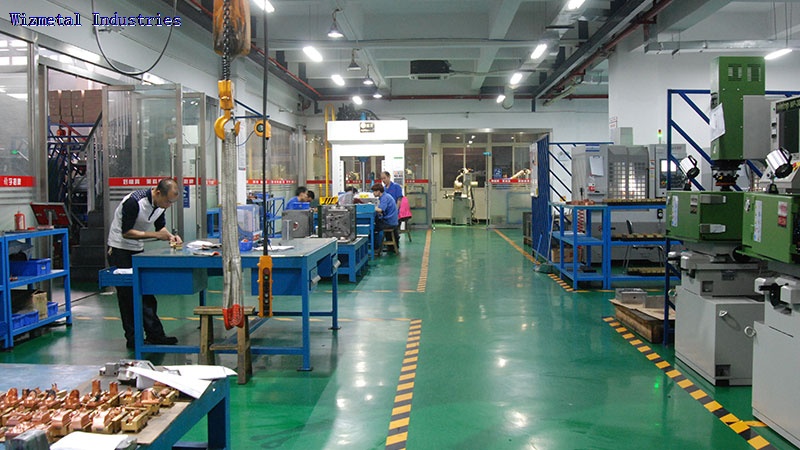
    Your first line of defense is thorough due diligence. A company’s website is a starting point, not a conclusion. For any potential China mold factory, demand evidence. Request detailed case studies of similar projects, specifically for complex injection mold tooling if that is your need. Ask for factory audit reports (ISO 9001 is a baseline), lists of machinery (the age and origin of CNC, EDM, and CMM machines matter), and client references from your region. Utilize video calls to conduct virtual tours; a reputable supplier will readily showcase their shop floor, quality lab, and team. This step filters out trading companies masquerading as manufacturers and identifies partners with the tangible capability to execute your project.

    Mastering Technical Communication and IP Protection

    Technical misalignment is the most frequent cause of failure. Overcome this by establishing a single, clear point of technical contact on both sides. Invest in a comprehensive Technical Specification and Quality Agreement document. This should go beyond 3D drawings to include all critical details: mold steel grade and hardness, surface finish specifications, tolerance standards, cavity numbering, hot runner system brand (if applicable), and a detailed plan for mold trials (T1, T2). For intellectual property, a well-drafted Non-Disclosure Agreement (NDA) is essential, but in practice, trust is built through action. Consider splitting core and cavity manufacturing or adding unique, non-critical design features to track unauthorized use. A professional mould supplier in china will understand and respect these protocols, viewing them as a sign of a serious, long-term buyer.

    Implementing Proactive and Phased Quality Control

    Waiting to inspect the finished mold is a high-risk strategy. Implement a phased quality control (QC) protocol with defined milestones. Key inspection points typically include: a first article inspection of the mold base and materials, a pre-hardness check of core and cavity inserts, and a critical review after the initial electrical discharge machining (EDM). The most important phase is the First Article Inspection (FAI) during the mold trial. Either have a trusted third-party QC agent present or insist on a detailed trial report video, including shots of the process parameters, part measurements, and dimensional reports. This proactive approach catches issues early, when they are less costly and time-consuming to correct.

    Navigating Logistics, Total Cost, and Building Partnership

    Understand all cost components beyond the quoted mold price. Clarify responsibilities for mold trial materials, packaging (robust, waterproof wooden crates are standard), inland freight, export documentation, and shipping insurance. Incoterms 2020 are your friend; FOB is common, but for higher-value tooling, consider CIP for greater insurance clarity. View your chosen China mold factory not as a vendor but as a technical partner. Schedule regular update calls, provide constructive feedback, and be fair in change order negotiations. This relationship capital is invaluable for future projects, rapid modifications, and troubleshooting. A partner invested in your success will proactively suggest design for manufacturability (DFM) improvements that save cost and enhance part quality.

    Conclusion

    Importing molds from China in 2026 demands a sophisticated, process-oriented approach. The journey from a promising online profile to a perfect mold landing in your facility is paved with diligent verification, unambiguous communication, structured quality control, and strategic relationship management. By implementing these expert tips, you transform procurement from a transactional headache into a core competitive strength. The goal is to secure not just a tool, but a reliable extension of your manufacturing capability, ensuring quality, consistency, and innovation for years to come.

    Work With Us

    As a professional China mold manufacturer, we provide one-stop mold solution for overseas buyers.
    📞 Phone: +86-18605944639
    💬 WhatsApp: +8618605944639
    🌐 Website: bestmoldworks.com
    📧 Email: [email protected]
  • custom injection mold maker near me: Complete Procurem 2026

    For overseas buyers, the search for a “custom injection mold maker near me” often concludes with a strategic decision to look further afield, specifically towards China. The rationale is clear: accessing world-class engineering, advanced manufacturing capabilities, and significant cost advantages. However, the physical and cultural distance introduces complexities. This guide is your 2026 roadmap to navigating the complete procurement journey, transforming the challenge of sourcing from a China mold factory into a streamlined, successful partnership.

    The initial search for a “custom injection mold maker near me” sets the foundation. While your ultimate partner is overseas, the preparatory work is local and digital. Begin by crystallizing your project specifications. This goes beyond part drawings. Develop a comprehensive RFQ (Request for Quotation) package that includes material type (e.g., ABS, PP, PC), expected annual volumes, cycle time targets, part surface finish requirements (SPI standards), and tolerance expectations. The more detailed your documentation, the more accurate and comparable the quotes you will receive from potential Chinese suppliers. This step eliminates ambiguity and sets a professional tone from the outset, signaling to manufacturers that you are a serious and informed buyer.

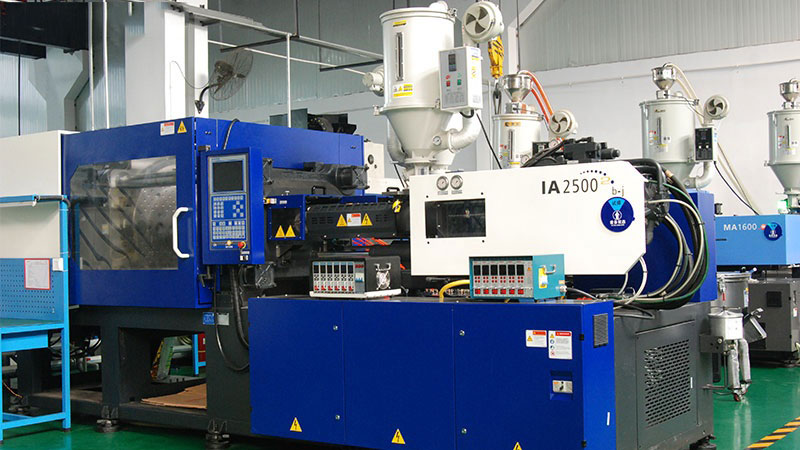
    With a solid RFQ in hand, the critical phase of supplier verification begins. In 2026, due diligence extends far beyond a factory website. Utilize B2B platforms like Alibaba and Made-in-China as starting points, but dig deeper. Verify business licenses via official Chinese portals and cross-reference company names. The most crucial step is a virtual factory audit. Insist on a live video tour of the production floor. Observe their machinery—are there high-precision CNC, EDM, and wire-cutting machines? Assess the workshop organization and cleanliness. Request to speak directly with their project engineers to gauge technical expertise. Furthermore, ask for and contact references from their existing overseas clients, particularly those in your region or industry. This multi-layered verification process is your primary defense against unreliable partners and ensures the China mold factory you select has the proven capability to deliver.

    Upon selecting a partner, robust quality control protocols become the linchpin of your procurement success. Do not assume standards are universally understood. Clearly define and agree upon all QC milestones. This typically includes a First Article Inspection (FAI) report with 3D scan data (CMM reports) comparing the first mold trial samples against your original CAD model. Establish a formal sample approval process before mass production commences. For ongoing assurance, consider engaging a third-party inspection company located in the manufacturer’s region for pre-shipment inspections (PSI). These inspectors can check cavity and core steel, part dimensions, and assembly functionality on your behalf. Proactive quality control, embedded into the contract, mitigates the risk of receiving non-conforming molds and ensures the injection mold meets your precise specifications.

    Effective procurement in 2026 hinges on mastering communication and logistics. Overcome language barriers by using clear, simple English in all written communication and employing diagrams or marked-up drawings. Assign a single point of contact on both sides. Utilize project management tools or shared platforms to track progress, document changes, and store all technical files centrally. Regarding logistics and payment, structure terms that protect both parties. Common arrangements include a 30-50% deposit with the balance paid after sample approval or before shipment. For Incoterms, FOB (Free On Board) is standard, giving you control over shipping and insurance. Ensure all customs documentation, including a detailed commercial invoice and packing list, is prepared accurately by the supplier to prevent delays at your port. This structured approach to administration is as vital as the technical work.

    The journey culminates in fostering a strategic partnership, moving beyond a transactional buyer-supplier dynamic. A reliable custom injection mold maker is a long-term asset. View them as an extension of your engineering team. Provide constructive feedback, discuss future projects, and explore value-engineering opportunities they might suggest based on their manufacturing experience. This collaborative approach encourages investment in your success and can lead to innovations in mold design that reduce part cost or improve performance. In the context of global supply chains, this relationship is the true answer to finding a dependable partner, effectively bringing a top-tier “custom injection mold maker near me” regardless of geographic location.

    In conclusion, procuring an injection mold from China in 2026 is a deliberate process of preparation, verification, control, and collaboration. By meticulously defining your needs, rigorously vetting your China mold factory, implementing ironclad quality control, managing logistics with precision, and investing in the relationship, you transform global procurement from a daunting risk into a formidable competitive advantage. The complete procurement journey is about building a bridge of trust and expertise, ensuring that the molds you import form the perfect foundation for your product’s success.

    Work With Us

    As a professional China mold manufacturer, we provide one-stop mold solution for overseas buyers.
    📞 Phone: +86-18605944639
    💬 WhatsApp: +8618605944639
    🌐 Website: bestmoldworks.com
    📧 Email: [email protected]
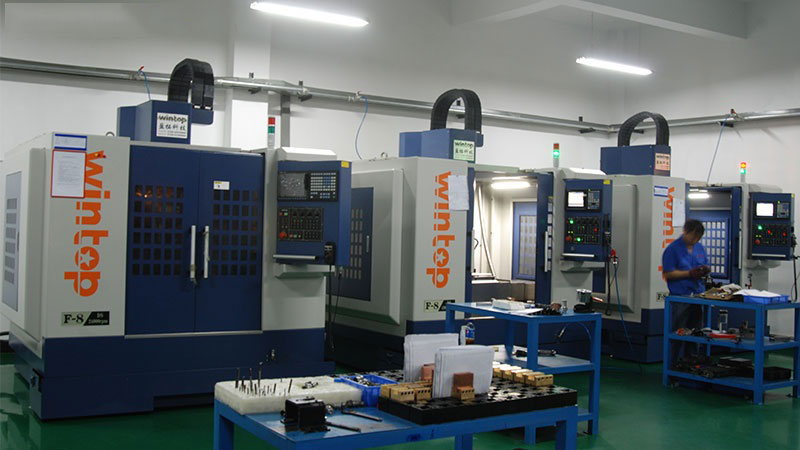
  • custom plastic molding company near me: Professional 2026

    For overseas buyers and procurement specialists, the search for a “custom plastic molding company near me” often concludes with a strategic pivot: looking to China. The combination of advanced manufacturing capabilities, significant cost advantages, and scalable production makes China the global epicenter for injection mold and part manufacturing. However, navigating this complex landscape from afar presents distinct challenges in supplier verification, quality control, and communication. This professional guide for 2026 cuts through the noise to provide actionable strategies for securing a reliable, high-quality partnership with a China mold factory.

    The core challenge is redefining “near me.” In today’s interconnected market, proximity is less about geography and more about supply chain integration, responsive communication, and logistical seamlessness. A manufacturer thousands of miles away can feel closer than a domestic supplier if they excel in these areas. Your goal is not merely to find a vendor but to architect a transparent and dependable extension of your own operations. This requires a methodical approach, moving beyond simple price comparisons to build a foundation of trust and shared standards. The following framework is designed to solve the real problems faced by international buyers in the current manufacturing climate.

    Conducting rigorous supplier verification is your first and most critical line of defense. In 2026, due diligence extends far beyond a website and a product catalog. Begin with a deep dive into the company’s digital footprint, including industry-specific B2B platforms, but prioritize direct engagement. Request a virtual facility tour via video call; a reputable China mold factory will readily showcase their shop floor, machinery brands, and working environment. Scrutinize their project portfolio for experience in your industry and with similar part complexities. Crucially, verify their business licenses and ask for references from existing overseas clients. This step moves you from a list of potential suppliers to a shortlist of validated partners, transforming an anonymous search into a targeted procurement process.

    Establishing unambiguous technical and quality protocols from the outset prevents costly misunderstandings. Before any quote is finalized, ensure all specifications are documented in a comprehensive Technical Data Sheet, including material grade, tolerances, surface finish requirements, and part testing criteria. Discuss and agree upon the mold design review process, using 3D drawings and DFM reports to align expectations. Define the quality control milestones: typically, First Article Inspection reports with full CMM data, pre-shipment sampling, and production part approval process. Clarify who is responsible for mold ownership and maintenance. By institutionalizing these standards, you create a shared language of quality with your injection mold partner, ensuring the output matches your design intent regardless of distance.

    Proactive quality control is non-negotiable. For significant investments, engaging a third-party quality inspection firm within China for critical checkpoints is a highly recommended best practice. These professionals can conduct on-site inspections during the T1 sample stage and again before shipment, providing an objective assessment against your agreed specifications. For ongoing production, implement a clear AQL sampling plan. Modern suppliers should utilize digital tools for real-time reporting—expect photo and video updates of production runs, packing, and shipping preparations. This visible, documented QC pipeline gives you control and peace of mind, turning the opaque nature of overseas manufacturing into a transparent and manageable workflow.

    Mastering logistics, communication, and total cost understanding finalizes a professional partnership. Work with your chosen supplier to understand Incoterms 2020 thoroughly; commonly, FOB is preferred as it gives you control over the main shipping leg and insurance. Factor in all costs beyond the unit price: mold cost, sample costs, shipping, import duties, and potential tariffs. Establish a structured communication rhythm using platforms like Zoom or Microsoft Teams, with a single point of contact on both sides who is technically proficient. Respect the time zone difference by scheduling regular standing meetings. This structured approach ensures operational efficiency and builds a relationship where your “custom plastic molding company near me” truly feels like a seamless, responsive partner, despite being based in China.

    In conclusion, the successful import of molds from China in 2026 is a disciplined exercise in modern supply chain management. The phrase “custom plastic molding company near me” evolves to represent a supplier that demonstrates professional verification, adheres to stringent quality control, and communicates with transparency. By implementing a systematic process of vetting, specification, inspection, and logistics planning, overseas buyers can confidently leverage the expertise and efficiency of a top-tier China mold factory. The result is a competitive advantage built on quality, reliability, and strategic cost-effectiveness, forming a partnership that is professionally near, no matter the miles on a map.

    Work With Us

    As a professional China mold manufacturer, we provide one-stop mold solution for overseas buyers.
    📞 Phone: +86-18605944639
    💬 WhatsApp: +8618605944639
    🌐 Website: bestmoldworks.com
    📧 Email: [email protected]

  • precision injection mold maker: Reliable Manufacturers 2026

    For overseas buyers, sourcing a precision injection mold maker in China represents a significant opportunity to achieve substantial cost savings without compromising on technical capability. The Chinese mold manufacturing industry has evolved dramatically, moving far beyond its roots as a source of low-cost labor to become a global hub for sophisticated, high-precision tooling. However, navigating this vast and complex market to identify truly reliable partners requires a strategic and informed approach. This guide is designed to provide actionable, practical steps for procurement professionals and engineers to successfully verify, select, and collaborate with a top-tier China mold factory in 2026 and beyond.

    The foundation of a successful import project lies in rigorous supplier verification, a process that must go deeper than a simple website review or Alibaba inquiry. Begin by demanding transparency. A competent precision injection mold maker will readily provide a detailed company profile outlining their years of operation, core competencies in specific industries (e.g., automotive, medical, consumer electronics), and list of key machinery. Crucially, insist on verifiable evidence. Request a virtual or recorded video tour of their production floor; observe the condition and brands of their CNC, EDM, and CMM machines. Check for relevant international quality certifications like ISO 9001:2015, which indicates a baseline of documented processes, and industry-specific ones like IATF 16949 for automotive. Furthermore, directly ask for and contact 2-3 existing overseas clients. A reputable supplier, confident in their work, will provide these references, allowing you to gain unfiltered insights into communication, problem-solving, and after-sales support.

    Once a potential partner passes initial verification, the focus must shift to a crystal-clear technical and commercial dialogue. The single most critical document is the Request for Quotation (RFQ). To receive accurate and comparable quotes, your RFQ must be exceptionally detailed. Beyond part drawings, include a comprehensive mold specification sheet. This should stipulate the mold base standard (LKM, HASCO, DME), steel grade for each component (e.g., S136 for corrosion resistance, 2344 for high toughness), surface finish requirements (SPI standards), cooling channel design, and expected cycle time. Explicitly state all quality control and inspection protocols. Require that the supplier outlines their process for First Article Inspection (FAI), including the use of 3D scanning and CMM reports that you will receive before shipment. This level of detail prevents misunderstandings, establishes a benchmark for quality, and separates serious, capable injection mold manufacturers from those who compete solely on ambiguous low price.

    Proactive and structured quality control throughout the manufacturing lifecycle is non-negotiable when managing projects from a distance. Do not adopt a “blind faith” approach. Instead, implement a staged inspection protocol. Key milestones should include a pre-production meeting to review mold flow analysis (if applicable) and final design, a steel material inspection upon arrival at the China mold factory, and critical stage inspections. The most important of these are the T1 sample trials. Ideally, you or a hired third-party inspection agency should be present for the first mold trial. Witnessing this process allows you to evaluate part quality, discuss modifications directly with the engineering team, and assess the factory’s technical problem-solving skills in real-time. Review the initial sample parts and the full inspection report together. This hands-on involvement at the most critical juncture mitigates risk, ensures alignment, and builds a collaborative relationship far more effectively than email exchanges after the fact.

    Navigating the commercial and logistical framework is the final pillar of a secure procurement process. Be meticulous with payment terms. Standard terms like 50% deposit and 50% before shipment are common, but for new suppliers, negotiate to include a portion (e.g., 10-20%) upon successful approval of T1 samples. This aligns the supplier’s incentives with your quality goals. Ensure your proforma invoice and final contract clearly define ownership of the mold design and tooling; you must retain full intellectual property and physical ownership rights. Logistically, discuss Incoterms 2020 explicitly—FOB Shanghai is typical, but understand exactly where your responsibility begins. Factor in comprehensive marine insurance for the shipment. Finally, plan for post-delivery support. Discuss and document the warranty period for workmanship and materials (often 12-18 months), the process for handling wear and tear, and the cost and lead time for future mold maintenance or repair. A reliable partner will have a clear, supportive policy.

    In conclusion, sourcing from a precision injection mold maker in China in 2026 is a highly viable strategy that demands diligence, clear communication, and active project management. The pathway to a reliable manufacturer is built on systematic supplier verification, uncompromising clarity in technical specifications, hands-on quality control during sampling, and watertight commercial agreements. By treating your Chinese mold supplier as a strategic extension of your own engineering and procurement team, you unlock not only cost advantages but also access to world-class manufacturing expertise. The evolving landscape continues to favor informed buyers who invest time in the selection and collaboration process, ensuring that the final injection mold delivered meets the highest standards of precision, durability, and performance for years to come.

    Work With Us

    As a professional China mold manufacturer, we provide one-stop mold solution for overseas buyers.
    📞 Phone: +86-18605944639
    💬 WhatsApp: +8618605944639
    🌐 Website: bestmoldworks.com
    📧 Email: [email protected]

  • rubber mold manufacturers: Reliable Manufacturers Guide 2026

    For overseas buyers, sourcing industrial components like rubber molds from China presents a significant opportunity for cost efficiency and access to advanced manufacturing capabilities. However, the journey from identifying a potential supplier to receiving a flawless production run is fraught with challenges. Miscommunication, quality inconsistencies, and supplier reliability issues can turn a promising venture into a costly ordeal. This guide is designed to cut through the noise and provide a clear, actionable roadmap for 2026. We will focus on practical strategies to connect with, vet, and partner with professional rubber mold manufacturers in China, ensuring your procurement process is smooth, predictable, and successful.

    The foundation of a successful import project lies in meticulous supplier verification. Moving beyond a simple Google search or a cursory glance on a B2B platform is non-negotiable. Begin by creating a longlist of potential China mold factory partners specializing in rubber or silicone molds. Scrutinize their online presence: a professional website with detailed technical specifications, case studies, and client testimonials is a positive indicator. However, verification must go deeper. Utilize third-party company verification services to check business licenses, registered capital, and years in operation. For 2026, a critical step is to request and conduct a live video tour of their facility. This allows you to assess their machinery, workshop organization, and quality control stations in real-time, providing transparency that static images cannot. Always ask for and contact past international clients, specifically those in your region or industry, to get unfiltered feedback on their experience with communication, problem-solving, and adherence to deadlines.

    Once you have shortlisted verified suppliers, the next critical phase is defining and communicating your requirements with absolute clarity. Ambiguity is the primary cause of mold defects and project delays. Prepare a comprehensive technical data package. This should include detailed 2D drawings with GD&T (Geometric Dimensioning and Tolerancing) standards, 3D CAD models (STEP or IGS files), and a complete material specification. For rubber molds, specify the exact type of rubber (e.g., silicone, EPDM, nitrile), its Shore hardness, color requirements, and any certifications needed (like FDA, UL, or RoHS). Furthermore, outline the expected production volume, cycle time requirements, and the type of molding process (compression, transfer, or injection mold for rubber). Providing physical samples of existing parts or competitor products can be invaluable. A professional manufacturer will review this package and engage in a technical dialogue, asking insightful questions that demonstrate their expertise, rather than simply accepting the order without comment.

    Implementing a robust, multi-stage quality control protocol is what separates successful importers from those facing constant rework. Do not assume quality is the sole responsibility of the China mold factory. Your proactive involvement is essential. Insist on a First Article Inspection (FAI) report after the initial mold trial. This report should include dimensional inspection results using CMM (Coordinate Measuring Machine) data, material test certificates, and photographs of the trial samples. For ongoing production, define an AQL (Acceptable Quality Level) sampling plan that is appropriate for your order volume and risk tolerance. Many reputable rubber mold manufacturers offer in-house QC teams, but for high-value projects, engaging a trusted third-party quality inspection service based in China for pre-shipment inspections is a wise investment. This independent audit provides an objective assessment of the product before it leaves the factory, giving you leverage to address any non-conformities prior to shipment and payment of the balance.

    Navigating the commercial and logistical aspects with a professional mindset is the final pillar of a reliable partnership. Be clear about payment terms; common structures like 50% deposit and 50% before shipment are standard, but ensure they are linked to clear milestones (e.g., approval of FAI). Use secure payment methods that offer a degree of protection. The Incoterms 2020 you agree upon (e.g., FOB, EXW, CIF) must be explicitly understood by both parties, as they define responsibilities for cost, risk, and logistics. A reliable supplier will provide a transparent breakdown of all costs, including mold tooling (which is typically a one-time cost owned by you), unit price, packaging, and any testing fees. Finally, consider the long-term relationship. A good manufacturer is not just a vendor but a technical partner. Discuss their policy on mold maintenance, repair, and storage. Establishing clear protocols for future orders and design modifications will save considerable time and resources as your business grows.

    Sourcing from rubber mold manufacturers in China remains a strategically sound decision for overseas buyers in 2026, offering a compelling blend of technical skill and value. The key to unlocking this potential lies in a disciplined, process-oriented approach. By prioritizing thorough supplier verification, demanding crystal-clear technical communication, enforcing rigorous quality control from design to shipment, and managing commercial terms professionally, you transform risk into a manageable, predictable process. The goal is to move from a transactional buyer-supplier dynamic to a collaborative partnership. By applying the actionable steps outlined in this guide, you are well-positioned to identify and collaborate with a reliable China mold factory that will deliver consistent quality, drive your product’s success, and become a cornerstone of your supply chain for years to come.

    Work With Us

    As a professional China mold manufacturer, we provide one-stop mold solution for overseas buyers.
    📞 Phone: +86-18605944639
    💬 WhatsApp: +8618605944639
    🌐 Website: bestmoldworks.com
    📧 Email: [email protected]

  • custom plastic injection molding near me: Complete Pr 2026

    For overseas buyers and product developers, the search for “custom plastic injection molding near me” often reveals a challenging reality: high costs, limited capacity, or lengthy lead times from local suppliers. This frequently leads businesses to look abroad, with China standing as the world’s foremost hub for mold manufacturing and injection molding services. However, procuring high-quality custom molds from a distance presents its own set of complexities. This complete procurement guide for 2026 is designed to transform that challenge into a strategic advantage, providing you with a professional, step-by-step framework to successfully navigate the Chinese manufacturing landscape and secure reliable, cost-effective production.

    The core shift in mindset for 2026 is moving from simply finding a vendor to building a manufacturing partnership. Your local search for “custom plastic injection molding near me” is a quest for proximity, control, and communication. The goal when sourcing from China is to replicate these benefits through rigorous processes and modern tools. Success hinges on systematic supplier verification, crystal-clear technical communication, and proactive quality management. This guide will outline the actionable steps to achieve this, ensuring your offshore procurement is as seamless and controlled as sourcing locally.

    The foundation of a successful import project is thorough supplier verification. Not all China mold factories are created equal. Begin by moving beyond basic online directories. Utilize professional B2B platforms like Alibaba, but scrutinize suppliers with verified onsite check badges and years of Gold Supplier status. Request a detailed company profile including business licenses, export records, and photographs of their facility—CNC machines, EDM equipment, and clean molding workshops are essential. The most critical step is to conduct a video audit. In 2026, refusing a live video tour of the factory floor is a significant red flag. During the tour, assess shop floor organization, ask to see similar mold projects, and engage directly with their engineering team. This process replaces the “near me” factory visit and is non-negotiable for establishing credibility.

    Precision in technical communication is what separates a successful project from a costly failure. The initial quotation phase is your first test. Provide potential suppliers with a comprehensive, non-disclosure protected Request for Quotation (RFQ). This must include a detailed 3D part design (STEP or IGS file), 2D drawings with critical dimensions, tolerances (Geometric Dimensioning and Tolerancing is preferred), material specifications, and expected annual volumes. Analyze the quotes you receive not just on price, but on the depth of their response. A professional injection mold supplier will ask clarifying questions about gate locations, ejection plans, surface finish requirements, and will provide a preliminary mold flow analysis. Their willingness to engage technically before payment is a strong indicator of their expertise and commitment to getting the design right, mitigating risks before steel is ever cut.

    Implementing staged quality control gates throughout the mold manufacturing process is your primary mechanism for ensuring the final product meets expectations. Agree on a payment schedule linked to key milestones: 30% upon order, 40% after approval of mold design drawings, and 30% after pre-shipment sample approval. Insist on seeing and approving the mold design (including cooling line layout and ejection system) before production begins. The most critical checkpoint is the Trial Report (T1). Require the China mold factory to conduct initial sampling, produce video of the molding process, and ship pre-production samples to you for rigorous inspection. Accompanying this should be a detailed report documenting process parameters, part measurements, and any issues encountered. This step allows for adjustments before the mold is finalized, effectively managing the quality control from afar.

    Managing logistics, intellectual property, and the total cost of ownership completes your strategic procurement plan. Use Incoterms 2020 clearly—FOB is standard, giving you control over shipping and insurance. For intellectual property protection, a well-drafted legal contract in both English and Chinese, signed and stamped by the supplier, is essential. It should define ownership of all mold and part designs. Furthermore, consider the total cost beyond the mold price. Factor in shipping, import duties, potential rework costs, and the long-term relationship. A slightly higher initial quote from a more communicative and professional supplier often results in lower total cost and less stress. Establish a protocol for post-sales support, including mold maintenance and future production runs.

    In conclusion, while the phrase “custom plastic injection molding near me” symbolizes convenience, the globalized market of 2026 demands a more strategic approach. By redefining proximity through technology and rigorous process, you can access the unparalleled scale and expertise of Chinese mold manufacturing without sacrificing quality or control. The complete procurement journey—from diligent supplier verification and precise technical dialogue to staged quality gates and strategic logistics planning—enables you to build a productive, transparent partnership with a China mold factory. Embrace this structured framework to turn geographic distance into a competitive edge, securing high-quality custom plastic injection molds that drive your product’s success in the global marketplace.

    Work With Us

    As a professional China mold manufacturer, we provide one-stop mold solution for overseas buyers.
    📞 Phone: +86-18605944639
    💬 WhatsApp: +8618605944639
    🌐 Website: bestmoldworks.com
    📧 Email: [email protected]

  • where can i get a custom plastic mold made: Ultimate G 2026

    For overseas buyers, the question of where to source a custom plastic mold is pivotal to product development, cost efficiency, and market success. The global manufacturing landscape offers a clear answer: China remains the epicenter for high-quality, cost-effective mold making. However, navigating this vast market requires more than a simple search; it demands a strategic approach to procurement, supplier verification, and quality control. This guide, the Ultimate G 2026, provides a professional, actionable framework for identifying and partnering with the right China mold factory to bring your plastic part designs to life with precision and reliability.

    The journey begins with targeted research beyond generic directories. While platforms like Alibaba and Made-in-China offer a starting point, they are just the surface. For serious procurement, you must delve deeper. Industry-specific B2B platforms, such as Global Sources, often feature more vetted suppliers. Furthermore, leveraging technical forums, visiting virtual trade shows like the Chinaplas exhibition, and analyzing supplier-owned content like technical blogs or YouTube channels showcasing their injection mold capabilities can reveal true expertise. The goal is to create a longlist of potential partners who not only claim to make molds but demonstrate a proven track record in your specific industry, whether it be automotive, medical, consumer electronics, or packaging.

    Once a longlist is established, rigorous supplier verification becomes your most critical task. This is where many importers falter. A professional website is a minimum requirement, not a guarantee of quality. You must initiate direct technical communication. Present your 3D part design (STEP or IGS file) and request a detailed Design for Manufacturability (DFM) analysis. A competent China mold factory will provide annotated feedback on draft angles, wall thickness, gate locations, and ejection schemes. Simultaneously, verify business credentials via third-party reports from companies like SGS or Bureau Veritas. Request to see ISO 9001 certification and, for regulated industries, relevant medical or automotive certifications. A video conference factory tour is non-negotiable in 2026; observe the workshop floor, the types of CNC, EDM, and milling machines in use, and their quality control lab with CMMs and other measuring equipment.

    After verification, the focus shifts to the quotation and technical proposal. A trustworthy supplier will provide a transparent, itemized quote that breaks down costs for mold base, cavity and core machining, hot runner system (if applicable), surface treatment, and mold trials. Beware of suspiciously low bids; they often indicate corner-cutting on steel quality, machining precision, or post-processing. Discuss the injection mold lifecycle: what grade of steel (e.g., P20, H13, S136) is proposed for your expected production volume? How many cavities will the mold have? What is the anticipated cycle time? Clarify the protocol for mold trials: how many trial shots are included, and will they provide samples, video, and a detailed trial report for your approval before shipment? This stage is about aligning expectations and ensuring the technical solution matches your production needs.

    Securing the order is just the beginning; proactive quality control throughout the manufacturing process is what separates successful imports from costly failures. Do not rely on a “see you at shipment” approach. Implement staged inspections. A Pre-Production Inspection (PPI) to verify the raw mold steel and key components is wise. The most critical is the During Production Inspection (DPI) or Trial Run Inspection. An independent QC inspector or your own agent should be present at the factory to witness the first shots from the finished mold. They will check the molded samples against your dimensional drawings, inspect for visual defects like sink marks or flash, and verify the material used. This on-the-ground oversight allows for last-minute adjustments before the mold is finalized and shipped, saving immense time and cost compared to discovering issues after the mold has arrived at your injection molder overseas.

    In conclusion, the answer to **where can i get a custom plastic mold made** is definitively China, but the pathway to a successful partnership is built on diligent process. The Ultimate G 2026 methodology emphasizes deep research, uncompromising verification, technical collaboration, and layered quality control. By treating your mold supplier not as a simple vendor but as a technical partner integral to your product’s success, you mitigate risk and build a supply chain asset. The right China mold factory becomes an extension of your engineering team, capable of delivering a precision injection mold that ensures consistent, high-quality plastic parts for years to come. Therefore, for businesses asking **where can i get a custom plastic mold made**, the solution lies in applying this structured, professional approach to procurement and partnership development.

    Work With Us

    As a professional China mold manufacturer, we provide one-stop mold solution for overseas buyers.
    📞 Phone: +86-18605944639
    💬 WhatsApp: +8618605944639
    🌐 Website: bestmoldworks.com
    📧 Email: [email protected]

  • custom molds for plastic part: Best Suppliers & Qualit 2026

    For overseas buyers, sourcing custom molds for plastic parts from China represents a significant strategic advantage, offering unparalleled cost efficiency and manufacturing scalability. However, navigating this complex landscape to secure both high quality and reliable partnership requires a methodical approach. The journey from concept to mass-produced part is fraught with potential pitfalls in communication, technical execution, and supplier reliability. This guide for 2026 cuts through the noise to provide actionable, professional strategies for identifying the best China mold factory partners and ensuring your injection mold procurement delivers consistent, high-quality results.

    Conducting Rigorous Supplier Verification Beyond Alibaba

    The initial search on B2B platforms is merely a starting point. True supplier verification in 2026 demands a multi-layered due diligence process. First, move beyond glossy website images and request detailed case studies for projects similar to yours in complexity and material. A professional China mold factory will readily provide these. Second, insist on a video conference facility tour; a live walkthrough of their machining centers, EDM equipment, and quality lab is invaluable. Pay attention to the organization, maintenance of machines, and the engineers’ expertise during Q&A. Third, utilize third-party verification services to check business licenses, export history, and any red flags. Finally, ask for and contact past international clients. A reputable supplier for custom molds for plastic part will have references willing to vouch for their performance, communication, and problem-solving abilities.

    Mastering Technical Documentation and RFQ Clarity

    Ambiguity in your request for quotation (RFQ) is the primary cause of cost overruns and disappointing outcomes. To attract serious bids from top-tier injection mold specialists, your RFQ must be exceptionally clear. Include a fully detailed 3D part design (STEP or IGS format) with critical dimensions and tolerances clearly marked. Specify the exact plastic material grade, expected annual volumes, and the required mold life (e.g., 500,000 cycles). Detail your surface finish requirements using SPI standards and include any texturing references. Clearly state your expectations for mold trial reports, sample approval process, and delivery of all design files (like mold flow analysis). This precision not only ensures comparable quotes but also signals your professionalism, filtering out factories incapable of handling complex projects.

    Implementing Proactive and Phased Quality Control

    Quality control cannot be an afterthought; it must be integrated into every project phase. For injection mold procurement, adopt a phased inspection protocol. Stage 1 is a pre-production meeting to review mold design and flow analysis, ensuring the factory understands all critical-to-quality points. Stage 2 involves a First Article Inspection (FAI) on the initial mold trial samples, using your provided CMM data and functional gauges. For critical projects, schedule an in-process inspection during steel machining or after texturing. The most crucial is the Final Random Inspection (FRI) before shipment, where an independent third-party inspector checks the finished mold’s dimensions, functionality, and the quality of sample parts against your approved master. This layered approach mitigates risk and prevents costly rework after the mold has left the factory.

    Navigating Contracts, IP Protection, and Payment Terms

    A robust contract is your ultimate safeguard. Ensure it explicitly covers all technical specifications, delivery milestones, acceptance criteria for samples, and protocols for handling design changes. Intellectual property protection is paramount; the contract must state that all designs, tooling, and associated data are your sole property, with confidentiality clauses binding the supplier and its employees. For payment terms in 2026, avoid extreme structures. A 50% deposit and 50% before shipment is common, but for larger orders, consider a 40/40/20 split (deposit, pre-shipment, after satisfactory trial at your facility). Always use secure, traceable payment methods. This formal framework aligns expectations and provides legal recourse, though the goal is always to build a relationship where such measures are a formality.

    Building a Partnership for Long-Term Production Success

    View your chosen supplier not as a vendor, but as a manufacturing partner. The most successful importers of custom molds for plastic part invest in this relationship. Schedule regular technical reviews, not just when problems arise. If possible, visit the factory in person to strengthen ties. Be fair and reasonable in your demands, understanding that sustainable pricing supports quality. A true partner will proactively suggest design for manufacturability (DFM) improvements to enhance part quality or reduce cost. This collaborative mindset ensures that when production scaling or future projects arise, you have a reliable, invested China mold factory ready to support your growth with consistent quality and prioritized service.

    Conclusion

    Successfully importing high-quality custom molds for plastic parts from China in 2026 is a disciplined process of verification, clear communication, controlled quality, and strategic partnership. By moving beyond simple price comparisons to implement rigorous supplier verification, mastering technical documentation, enforcing phased quality control, securing a solid contract, and fostering a collaborative relationship, you transform a transactional purchase into a competitive advantage. The goal is to secure a mold that not only produces perfect parts today but does so reliably for years, making your chosen Chinese injection mold partner a cornerstone of your supply chain resilience and product excellence.

    Work With Us

    As a professional China mold manufacturer, we provide one-stop mold solution for overseas buyers.
    📞 Phone: +86-18605944639
    💬 WhatsApp: +8618605944639
    🌐 Website: bestmoldworks.com
    📧 Email: [email protected]